
Beautiful Plants For Your Interior
Beautiful Plants For Your Interior
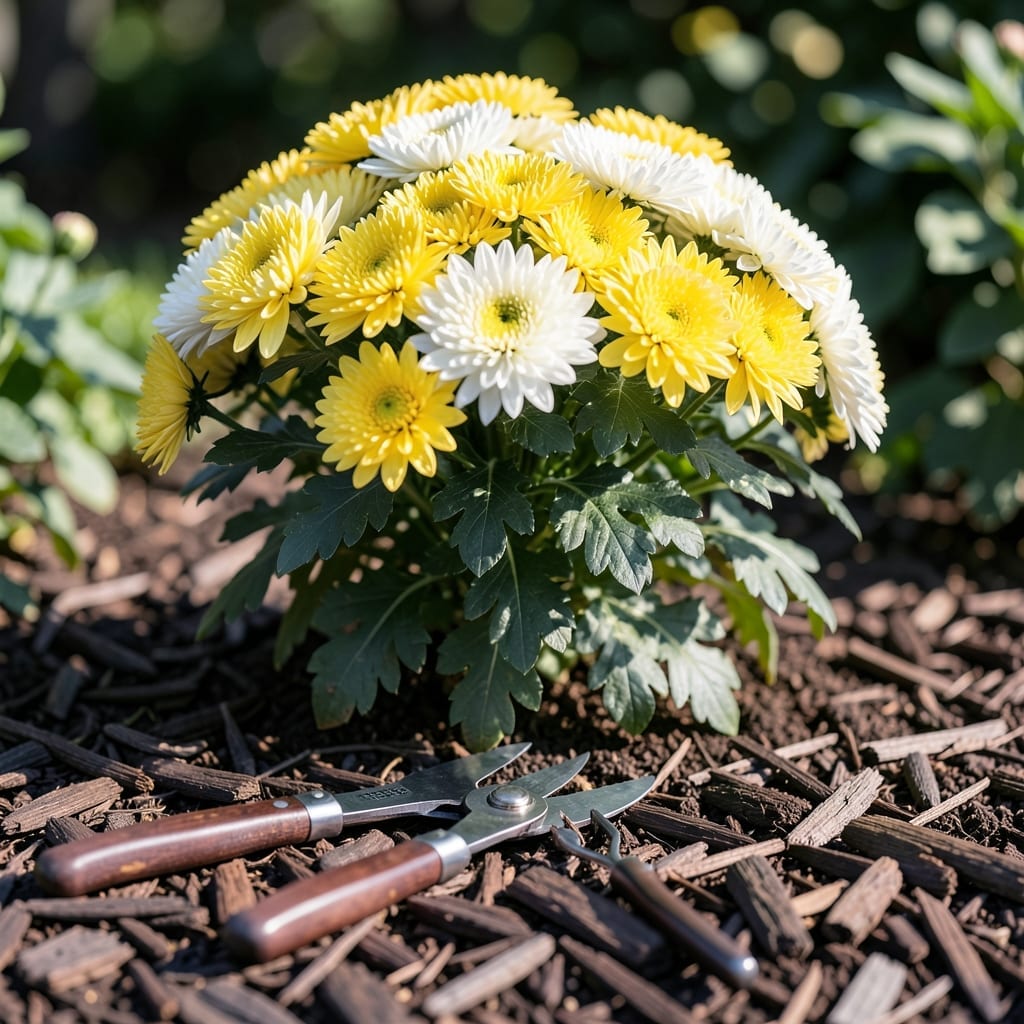
I lost 3 mums my first winter before learning this method. Overwintering chrysanthemums isn’t complicated once you understand their needs during dormancy.
The key is treating them like perennials, not annuals. Cut them back after the first hard frost, then provide the right protection based on your climate. Most people give up too soon—these plants are tougher than they look.
By spring, you’ll see new growth emerging from the base. The same plants that wowed you with fall color will return even stronger next season, often with more blooms than the first year.
Works for potted or in-ground mums with minimal effort. Here’s the simple process that actually works.
Overwintering chrysanthemums (mums) can be tricky, but understanding the biological and environmental causes of their winter decline helps you take the right steps. Here’s why it happens:
Mums are perennial in USDA zones 5-9, but rapid temperature swings confuse their dormancy cycle. Freeze-thaw cycles cause root damage, as ice crystals form and rupture cell walls. Without a stable cold period (below 50°F for 6+ weeks), mums fail to enter proper dormancy, weakening their survival chances.
Wet soil in winter is a silent killer. Mums hate soggy roots, which suffocate and rot in cold, waterlogged conditions. Poor drainage or heavy clay soil traps moisture, inviting fungal diseases like Phytophthora that rot the crown. Mulch can help, but only if it’s well-draining (e.g., straw, not plastic).
Without protection, mums’ shallow roots are exposed to harsh freezes. In colder zones (below 5), the crown—where new growth emerges—can freeze solid. A thick layer of mulch (4–6 inches) acts like a blanket, buffering soil temps and preventing lethal frost heave (where roots are pushed out of the ground).
Feeding mums with high-nitrogen fertilizer in fall fuels tender new growth that can’t harden off before winter. This fresh growth is highly susceptible to cold damage. Stop fertilizing by late summer to let the plant toughen up naturally.
Reviving your mums for next season starts with addressing common overwintering problems. Below are practical solutions to ensure your plants thrive after the cold months.
If your mums are wilting or the roots appear mushy, improve drainage immediately. Move potted mums to a sheltered area with better airflow, or amend garden soil with compost or sand. Prevention tip 💡: Always use pots with drainage holes and avoid overwatering before winter sets in.
Brown or crispy leaves signal frost damage. Trim back dead foliage in early spring to encourage new growth. For potted mums, insulate the roots by wrapping the pot in burlap or moving it to a garage during extreme cold. Prevention tip 🌡️: Apply a thick layer of mulch (2–3 inches) around the base to protect roots from freezing temperatures.
Check stored mums for aphids or spider mites. Wipe leaves with a damp cloth or use insecticidal soap for severe cases. Prevention tip ✨: Before overwintering, inspect plants thoroughly and isolate any with signs of pests.
If your mums look sparse or stretched, they likely need more sunlight. Move them to a sunnier spot (6+ hours of light daily) as temperatures rise. Prevention tip 🎯: Rotate potted mums regularly to ensure even light distribution.
With these fixes, your mums will bounce back stronger and ready to bloom again next fall!
Not necessarily. In zones 5-9, potted mums can stay outside with protection. Wrap pots in burlap and add 4-6 inches of mulch. In colder areas, move them to an unheated garage or shed.
Prune after the first hard frost kills the foliage, typically in late fall. Cut stems to 4-6 inches above ground level. This prevents disease and encourages healthy spring regrowth.
Use organic materials like straw, shredded leaves, or pine needles. These allow airflow while insulating roots. Avoid plastic or dense materials that trap moisture.
Common reasons include insufficient mulch, poor drainage, or late pruning. Check for rotten roots or crown damage. Next time, ensure they’re fully dormant before winter hits.