
Beautiful Plants For Your Interior
Beautiful Plants For Your Interior
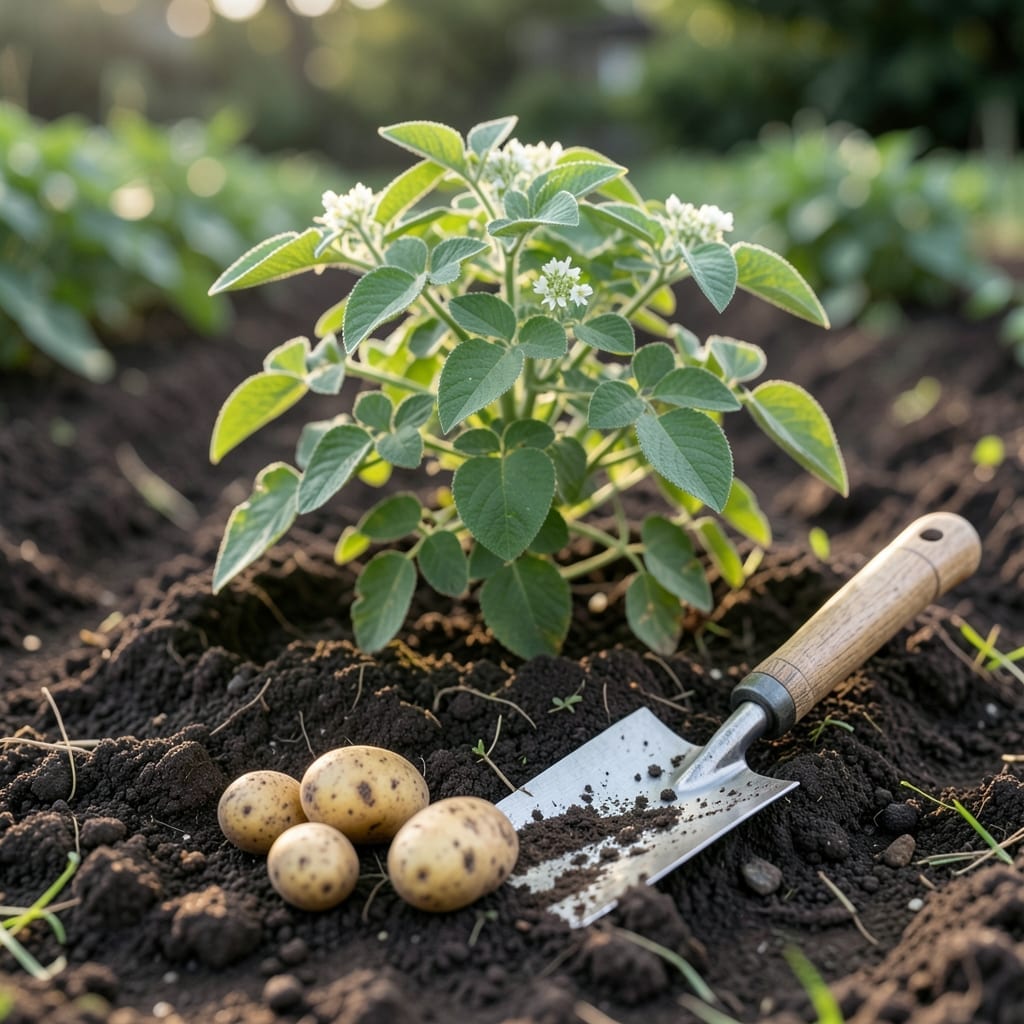
I still remember digging up my first Irish potato crop—like finding buried treasure. That moment when the trowel hits those smooth, earthy tubers never gets old, and it happens in just 90 days from planting to harvest.
What surprised me most was how little space they need. A 10-foot row or even a few large containers can produce enough for months of meals. The secret is loose, well-drained soil and the right timing—plant when soil hits 50°F.
You’ll watch green foliage explode above ground while the real magic happens below. By mid-summer, you’ll be pulling up more potatoes than you expected from such a modest investment of space and effort.
No fancy equipment required—just good soil, consistent watering, and a little patience. This might be the most satisfying crop you’ll ever grow.
Understanding why Irish potatoes struggle in your garden starts with identifying the root causes. Below are the most frequent culprits, explained with actionable insights.
Irish potatoes thrive in loose, well-draining soil with a pH between 5.0 and 6.5. Compacted or clay-heavy soil restricts tuber expansion, leading to stunted growth. Additionally, low organic matter starves the plants of essential nutrients like nitrogen, phosphorus, and potassium. Test your soil before planting and amend it with compost or aged manure to improve fertility and structure.
Potatoes need consistent moisture, especially during tuber formation. Overwatering causes rot, while underwatering leads to cracked or scabby tubers. Aim for 1–2 inches of water per week, delivered evenly to keep the soil moist but not soggy. Drip irrigation works best to avoid wetting the foliage, which can invite disease.
Irish potatoes grow best in cool temperatures (45–80°F). Heat stress above 85°F halts tuber development, while frost can kill young plants. Plant in early spring or fall to avoid extreme heat. Use mulch to insulate the soil and protect tubers from temperature swings.
Common pests like Colorado potato beetles and aphids feast on foliage, weakening the plant. Diseases such as late blight (caused by Phytophthora infestans) or scab (from Streptomyces scabiei) thrive in wet, humid conditions. Rotate crops, use disease-resistant varieties, and remove infected plants promptly to prevent spread.
Even with the best care, Irish potatoes can face a few hiccups. Here’s how to tackle the most common problems and keep your crop on track for a bountiful harvest.
Yellow leaves often signal overwatering or nitrogen deficiency. Let the soil dry slightly between waterings, and avoid soggy conditions. If the issue persists, apply a balanced fertilizer (10-10-10) or compost tea to replenish nutrients.
Prevention: Test soil moisture with your finger—water only when the top inch feels dry. Rotate crops yearly to prevent nutrient depletion.
Colorado potato beetles and aphids love tender foliage. Handpick beetles early in the morning and drop them in soapy water. For aphids, spray plants with a neem oil solution (1 tbsp oil + 1 tsp dish soap per gallon of water).
Prevention: Plant companion crops like marigolds or basil to deter pests. Use row covers to block beetles before they lay eggs.
Late blight or early blight shows as dark spots on leaves. Remove infected foliage immediately and avoid overhead watering to reduce humidity. Apply copper fungicide as a preventive spray every 7–10 days during wet weather.
Prevention: Space plants 12 inches apart for airflow, and water at the base in the morning. Clean up plant debris after harvest to eliminate spores.
Small or misshapen potatoes? They may need more hilling. Pile soil around stems every 2 weeks to encourage tuber growth. If plants flower but produce tiny spuds, they might be overcrowded or stressed by heat. Thin seedlings to 1 per 6-inch spacing.
Prevention: Plant certified disease-free seed potatoes and avoid high-nitrogen fertilizers late in the season, which promote leafy growth over tubers.
With these fixes, your Irish potatoes will thrive—and you’ll be digging up a hearty harvest in no time! 🌿
Use loose, well-draining soil with a pH between 5.0 and 6.5. Amend heavy clay with compost or sand. This prevents waterlogging and allows tubers to expand easily.
Plant pieces with eyes 2–3 inches deep, spacing them 12 inches apart. Cover with soil, then add more as plants grow to encourage tuber formation.
Dig when foliage yellows and dies back, usually 90–120 days after planting. For new potatoes, harvest gently 2 weeks after flowering begins.
This often means overcrowding or inconsistent watering. Thin plants to 12-inch spacing and maintain even moisture. Hill soil around stems regularly.