
Beautiful Plants For Your Interior
Beautiful Plants For Your Interior
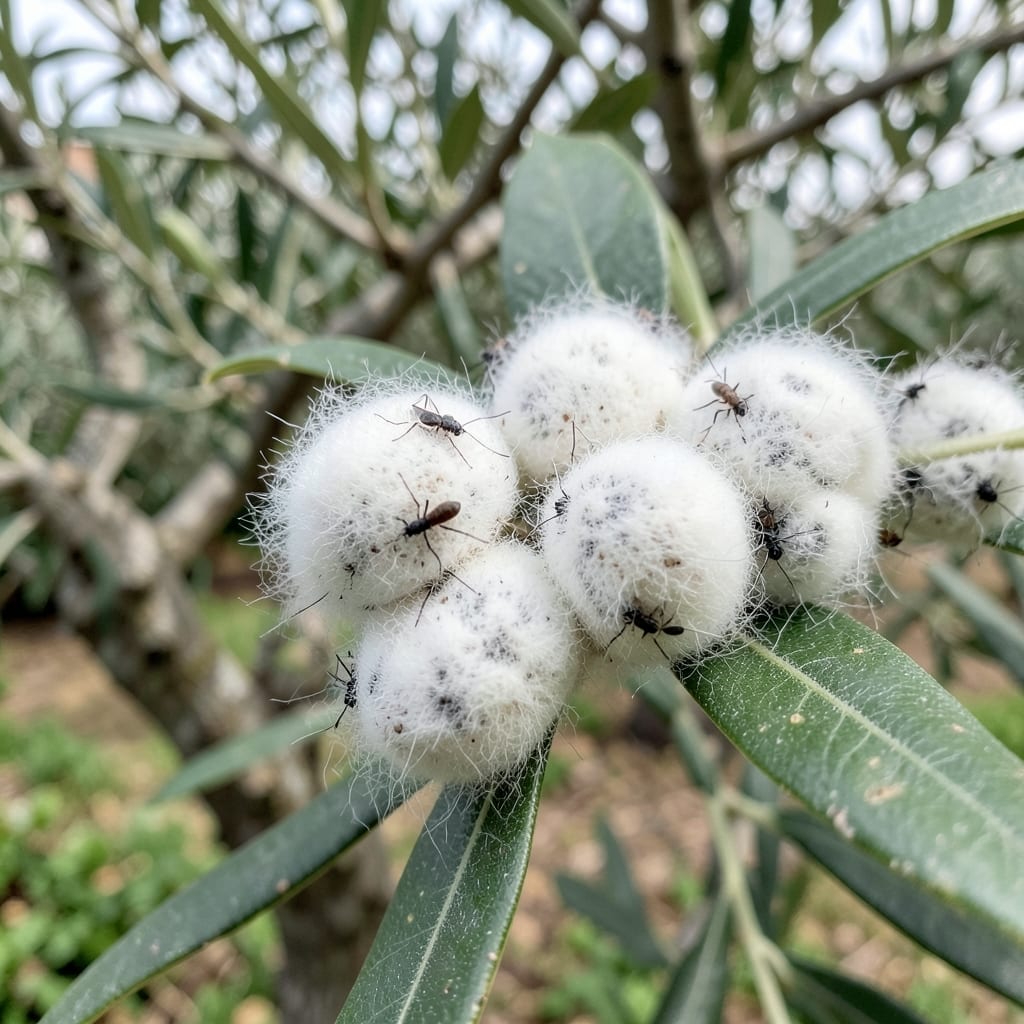
White fluff on your olive tree leaves means trouble. I first spotted woolly aphids clinging to the undersides of my tree’s foliage, and they spread fast if left unchecked.
These pests weaken plants by sucking sap, but the real damage comes from the sooty mold that follows. The good news? A simple organic spray can knock them out without harming your tree or the ecosystem around it.
With consistent treatment, your olive tree will bounce back with vibrant, healthy leaves in no time. The key is catching them early before the infestation spirals.
Works for backyard trees, potted olives, or even young saplings. Here’s how to reclaim your tree’s health.
Woolly aphids thrive on olive trees due to a mix of environmental, biological, and cultural factors. Understanding these causes helps you prevent and treat infestations effectively. Here’s why these pests take over:
Excess nitrogen in the soil promotes soft, new growth—woolly aphids’ favorite food. Olive trees fed with high-nitrogen fertilizers (e.g., synthetic lawn fertilizers) grow lush, tender shoots that lack the natural defenses found in slower-growing, harder foliage. Reduce nitrogen-heavy feeds and opt for balanced, slow-release organic fertilizers to toughen up your tree.
Both overwatering and drought stress weaken olive trees, making them vulnerable. Overwatered roots suffocate, while drought-stressed trees produce stressed sap that’s richer in amino acids—a woolly aphid magnet. Maintain consistent, deep watering (1–2 times weekly in dry spells) to keep the tree resilient.
Woolly aphids explode in numbers when their natural enemies—like ladybugs, lacewings, and parasitic wasps—are absent. Pesticide overuse (even organic ones like neem oil) can kill these beneficial insects. Plant companion flowers (e.g., alyssum, dill) to attract predators, and avoid broad-spectrum sprays.
These pests reproduce rapidly in temperatures between 60–80°F (15–27°C) with high humidity. Olive trees in crowded, poorly ventilated spaces (e.g., dense orchards or urban gardens) trap moisture, creating ideal breeding grounds. Prune for airflow and space trees properly to disrupt their habitat.
Woolly aphids can be stubborn, but these targeted solutions will help you reclaim your olive trees. Address the issue based on its cause for the best results.
For small clusters, prune affected branches and dispose of them in sealed bags to prevent spread. Follow up by spraying the tree with a strong jet of water to dislodge remaining aphids. Do this early in the morning so leaves dry quickly, reducing fungal risks.
Encourage beneficial insects like ladybugs, lacewings, or parasitic wasps, which feed on aphids. Plant dill, fennel, or yarrow nearby to attract them. Avoid broad-spectrum pesticides, as they harm these helpful predators too.
Pro tip 💡: Purchase ladybugs from garden centers and release them at dusk for better retention.
Apply neem oil, insecticidal soap, or horticultural oil to smother aphids. Mix 1 tbsp of soap per quart of water for a DIY spray, and reapply every 4–7 days until the infestation clears. Always test on a small area first to avoid leaf burn.
For heavy infestations, use systemic insecticides like imidacloprid, but opt for this only as a last resort. Follow label instructions carefully, and avoid use during flowering to protect pollinators.
Pro tip ✨: Apply a dormant oil spray in late winter to suffocate overwintering aphid eggs before they hatch.
Reapply insecticidal soap or neem oil every 4-7 days until aphids disappear. Always treat in the morning to allow leaves to dry quickly and prevent fungal issues.
Yes, but dilute 1 tablespoon of mild dish soap per quart of water. Avoid soaps with degreasers or additives, as they may harm the tree. Test on a small area first.
They thrive in humid, poorly ventilated conditions. Improve airflow by pruning dense branches and avoid overwatering. Encourage natural predators like ladybugs for long-term control.
Only as a last resort. Avoid during flowering to protect pollinators. Follow label instructions carefully and prefer organic methods for edible crops.