
Beautiful Plants For Your Interior
Beautiful Plants For Your Interior
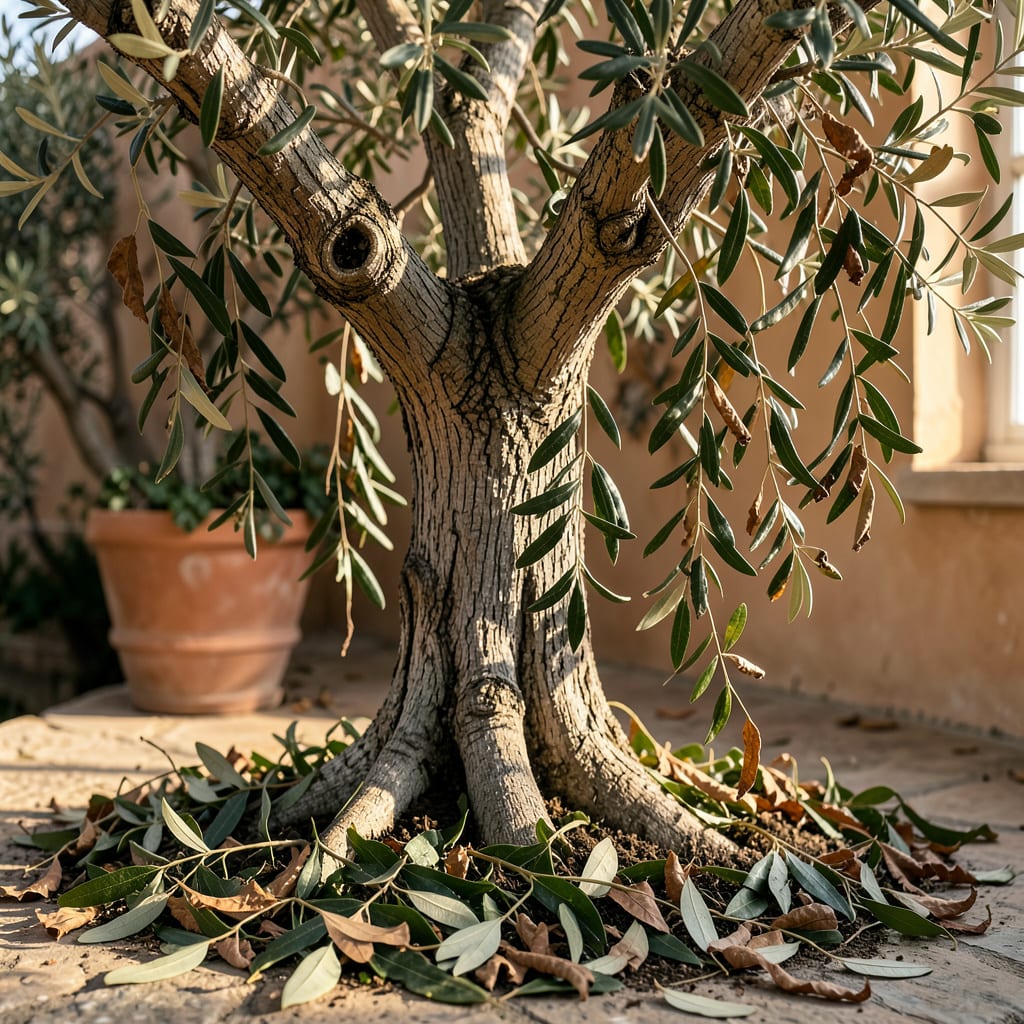
Watching olive tree leaves curl and drop feels like losing a piece of the Mediterranean in your own yard. I’ve stood there, staring at crispy brown edges, wondering if I’d watered too much or too little—or if something worse was happening beneath the surface.
Here’s the thing—this problem rarely comes from one simple mistake. It’s usually a mix of stress factors: dry soil, sudden temperature swings, or even an unseen pest making itself at home on the undersides of those silver-green leaves.
What you’ll find is that fixing it starts with playing detective. Check the soil 2 inches down, inspect the stems, and note any recent changes in weather or care. The answer is often hiding in plain sight.
Once you pinpoint the cause, recovery can be surprisingly quick. With the right adjustments, those leaves often bounce back, greener and more resilient than before.
Olive tree leaves curling and falling off is often a stress response to environmental or biological factors. Here are the primary causes:
Olive trees thrive in moderate climates (60–85°F). Sudden cold snaps below 20°F (-6°C) or prolonged heat above 100°F (38°C) disrupt cellular function. Cold damage causes leaf desiccation, while heat stress triggers stomatal closure, reducing photosynthesis and leading to curling and drop.
Overwatering suffocates roots, preventing oxygen uptake and causing root rot (e.g., Phytophthora). Underwatering leads to xylem cavitation, where air bubbles block water transport, forcing leaves to curl and shed to conserve moisture.
Common pests like olive psyllid (Euphyllura olivina) and scale insects pierce leaf tissues, sucking sap and injecting toxins. This causes necrotic spots, curling, and premature leaf drop. Spider mites (in dry conditions) also dehydrate leaves by feeding on epidermal cells.
Pathogens such as Peacock spot (Spilocaea oleagina) or Xylella fastidiosa (bacterial leaf scorch) infect vascular tissues. Peacock spot creates dark lesions, while Xylella clogs xylem vessels, starving leaves of water and nutrients—leading to wilting, curling, and abscission.
Exposure to ozone, sulfur dioxide, or saline spray (in coastal areas) damages leaf cuticles. Ozone causes oxidative stress, breaking down cell membranes, while salt burn disrupts osmotic balance, resulting in marginal necrosis and leaf fall.
If your olive tree’s leaves are curling and dropping, act fast with these targeted fixes. Each solution addresses a specific cause, with prevention tips to keep your tree thriving long-term.
Give your tree a slow, deep watering 2–3 times weekly during dry spells, ensuring moisture reaches the root zone (12–18 inches deep). Use a moisture meter to check soil at 6-inch depth—water when it reads “dry.” Prevention: Mulch with 2–3 inches of organic matter (wood chips or straw) to retain moisture and reduce evaporation.
Stop watering immediately if the soil is soggy. Let the top 2–3 inches dry out before watering again. For potted trees, ensure pots have drainage holes. For garden trees, amend heavy clay soil with sand or compost. Prevention: Plant in well-draining soil or raised beds to avoid waterlogging.
For scale, mites, or aphids, spray leaves with a neem oil solution (1 tbsp neem oil + 1 tsp dish soap per gallon of water) every 5–7 days until pests are gone. For severe cases, use insecticidal soap. Prevention: Inspect leaves weekly and encourage beneficial insects like ladybugs.
If cold snaps (below 25°F) or heatwaves (above 90°F) are the culprit, move potted trees indoors or to a shaded area. For in-ground trees, use frost cloths in winter and shade nets in summer. Prevention: Plant cold-hardy olive varieties (e.g., Arbequina) if you live in a cooler climate.
Apply a balanced fertilizer (10-10-10 or 8-8-8) in early spring, following package instructions. Yellowing leaves may indicate nitrogen deficiency—use a nitrogen-rich fertilizer. Prevention: Test soil annually and amend with compost for long-term fertility.
💡 Pro Tip: Always water deeply after fertilizing to prevent root burn!
Water deeply 2-3 times weekly during dry spells, ensuring moisture reaches 12-18 inches deep. Use a moisture meter—water when soil at 6-inch depth reads dry.
Olive psyllid, scale insects, and spider mites are common culprits. They pierce leaves, suck sap, and inject toxins, causing curling and drop.
Yes! Move potted trees to shade or use shade nets. For in-ground trees, provide temporary cover during heatwaves above 90°F. Recovery often occurs within weeks.
Stop watering immediately and let soil dry out. Amend heavy clay with sand or compost. Ensure pots have drainage holes to prevent root rot.
