
Beautiful Plants For Your Interior
Beautiful Plants For Your Interior
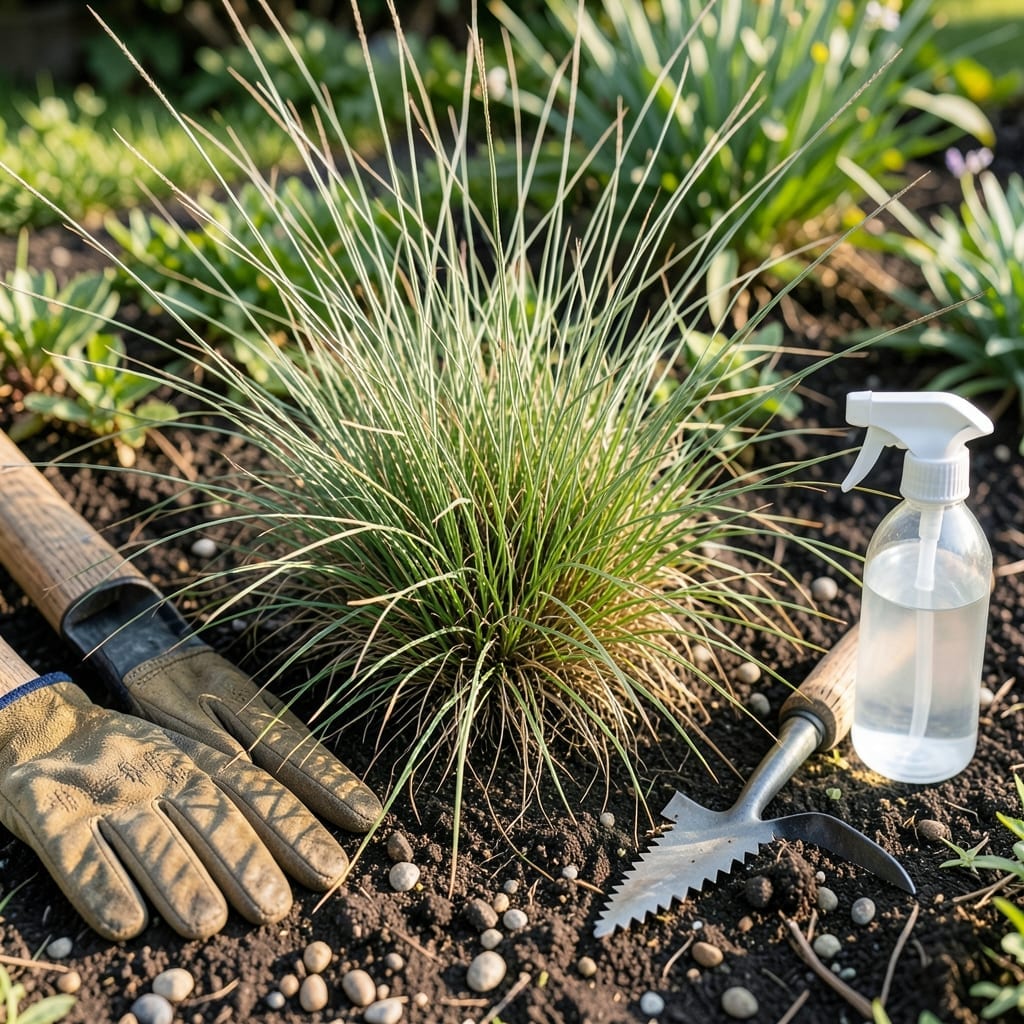
Wiregrass took over my lawn last summer, and I refused to surrender. This invasive weed spreads fast, choking out grass and stealing nutrients from your soil. The good news? You can reclaim your yard without harsh chemicals.
I’ve tested multiple methods, and the most effective approach combines persistence with the right tools. Hand-pulling works for small patches, but for larger areas, you’ll need a strategy that targets the deep roots where it thrives.
Within 2-3 weeks of consistent effort, you’ll see a noticeable difference. The key is staying ahead of its growth cycle and preventing it from seeding. Your lawn will thank you.
Works for any grass type, from Bermuda to fescue. Here’s how to start fighting back.
Wiregrass, also known as Eleusine indica or goosegrass, thrives in lawns due to specific environmental and cultural conditions. Understanding why it appears is the first step toward effective removal.
Thin or sparse turf provides open spaces for wiregrass seeds to germinate. Over-mowing, under-fertilizing, or improper watering weakens your lawn, allowing this opportunistic weed to take hold. Wiregrass spreads rapidly in bare patches where grass struggles to compete.
Compacted soil restricts root growth for desired grasses while creating an ideal environment for wiregrass. Its shallow roots thrive in hard, dense soil where water and nutrients are limited. Aerating your lawn can help alleviate compaction and reduce wiregrass growth.
Frequent foot traffic or heavy equipment use can damage lawn grass, creating openings for wiregrass. This weed is particularly resilient in disturbed areas, such as pathways, edges of driveways, or pet play zones, where soil is frequently compacted.
While wiregrass is drought-tolerant, it also thrives in areas with inconsistent moisture. Overwatering can wash away grass seeds while leaving wiregrass seeds intact, as they’re more resistant to erosion. Similarly, poorly drained spots may weaken turfgrass, giving wiregrass a competitive edge.
Wiregrass can be stubborn, but these targeted fixes will help you reclaim your lawn. Below are practical solutions for common causes, plus tips to keep it from coming back.
Wiregrass thrives in bare spots. Fill gaps by overseeding with a dense, competitive grass variety like Bermuda or Zoysia. Apply a high-nitrogen fertilizer to strengthen existing grass, making it harder for wiregrass to take root. Water deeply afterward to help new growth establish.
Wiregrass loves compacted, acidic soil. Aerate your lawn to improve drainage and reduce compaction. Test your soil’s pH—if it’s below 6.0, apply lime to raise it. Healthy soil supports robust grass, crowding out weeds naturally.
💡 Pro tip: Add a layer of compost to boost soil fertility and suppress wiregrass growth.
Wiregrass spreads when left unchecked. Mow regularly, keeping your grass at the recommended height for its type (usually 2–3 inches). Use a sharp mower blade to prevent tearing grass, which can invite weeds. Bag the clippings if wiregrass is seeding to stop its spread.
Prevent wiregrass before it sprouts with a pre-emergent herbicide. Apply in early spring (when soil temps hit 55°F) and again in fall. Choose a product labeled for wiregrass, and follow the instructions carefully for even coverage.
For small patches, hand-pull wiregrass when the soil is moist (after rain or watering) to remove roots entirely. Use a weeding tool for deeper roots. Repeat as needed—persistence pays off!
🎯 Prevention tip: Maintain a thick, healthy lawn through proper watering, fertilizing, and mowing to outcompete wiregrass long-term.
Yes, white vinegar can kill wiregrass but requires multiple applications. Use horticultural vinegar (20% acetic acid) for best results, and apply directly to leaves on a sunny day. Avoid spraying desired plants as it’s non-selective.
With consistent effort, you’ll see improvement in 2-3 weeks. Full removal may take a season, especially if seeds are present. Combine hand-pulling with pre-emergent herbicides for faster results.
Maintain a thick lawn with proper mowing, fertilizing, and watering. Apply pre-emergent herbicide in early spring and fall. Aerate compacted soil to discourage regrowth.