
Beautiful Plants For Your Interior
Beautiful Plants For Your Interior
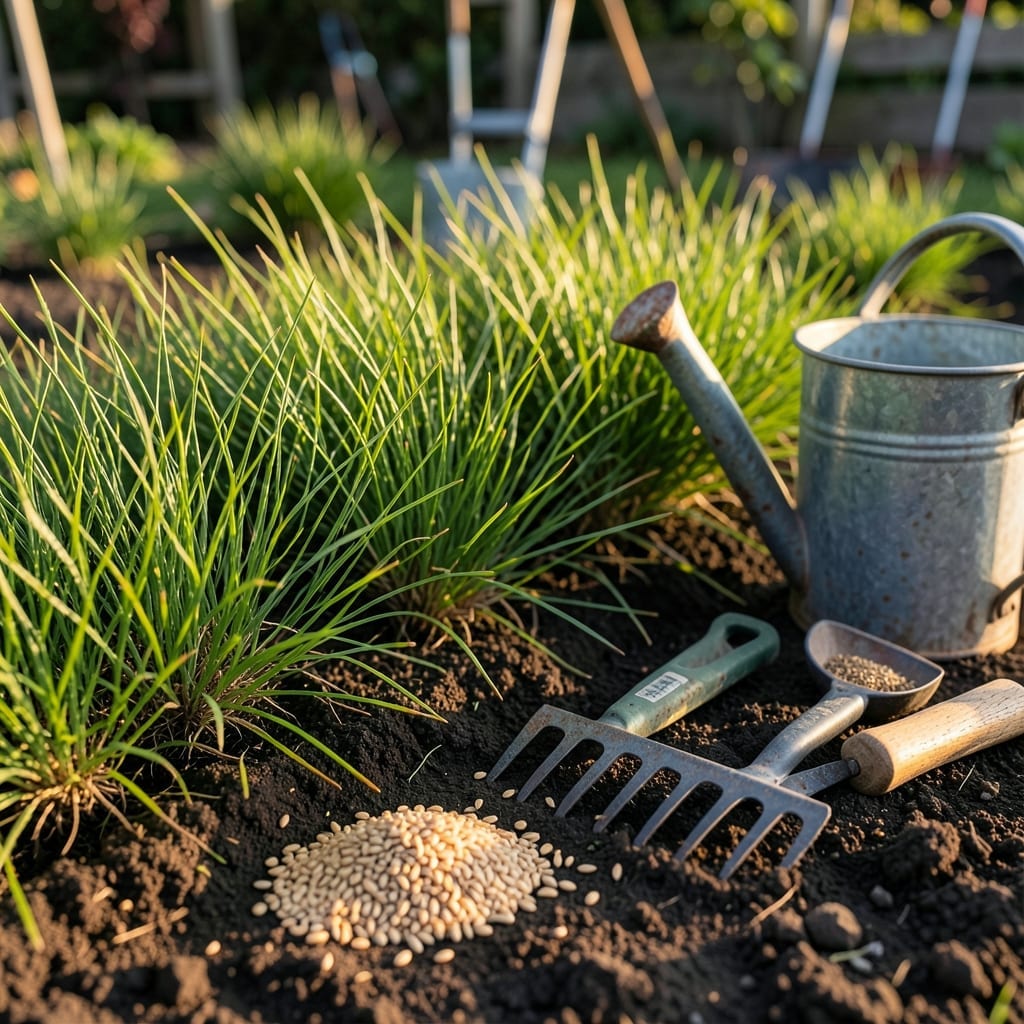
Timing can make or break your Bermuda Grass lawn in Texas. Plant too early, and you risk poor germination. Wait too long, and you might miss the optimal window.
I’ve seen firsthand how the right timing transforms a yard. For zones 8a-9b, the sweet spot is when the soil stays warm, and the days grow longer.
The 🌱 Bermuda Grass thrives when planted in late spring to early summer. This gives it the best shot at establishing strong roots before the heat peaks.
Discover why this window works and how to prepare your soil for success. Your dream lawn starts with one simple decision: when to begin.
Timing is everything when planting Bermuda grass seeds in Texas. This warm-season grass thrives when soil temperatures consistently hit 65°F or higher, which typically happens in late spring.
For most of Texas, the best window spans from April through June. This gives the seeds enough warmth to germinate quickly and establish roots before summer heat peaks.
| Region | Ideal Months | Soil Temp |
|---|---|---|
| North Texas | May-June | 65-70°F |
| Central Texas | April-May | 65°F+ |
| South Texas | March-April | 70°F+ |
In North Texas, I recommend waiting until May or June to avoid late frosts. The soil warms up slower here, and early planting can lead to poor germination.
Central Texas offers more flexibility. April through May is ideal, as the soil reaches the required temperature earlier, and the region has a longer growing season.
For South Texas, you can start as early as March. The warmer climate means the soil stays above 70°F sooner, giving seeds a head start before summer.
Always check your local soil temperature with a thermometer. If it’s consistently 65°F or warmer at a depth of 2 inches, you’re good to go.
Planting in July or later can work, but it requires more watering to combat the heat. The grass may struggle to establish before winter dormancy.
I’ve found that early morning planting helps reduce stress on the seeds. The cooler temperatures and lower wind speeds give them the best chance to settle into the soil.
Remember, Bermuda grass loves full sun. Ensure your lawn gets at least 6-8 hours of direct sunlight daily for optimal growth.
With the right timing and conditions, you’ll see germination in 7-14 days and a lush, green lawn by mid-summer. 🌱
Planting Bermuda grass seeds in Texas isn’t just about timing—it’s also about avoiding common pitfalls. I’ve seen many homeowners rush the process, only to end up with patchy or weak lawns. One of the biggest mistakes is planting too early in the season.
Another frequent error is ignoring soil preparation. Bermuda grass needs well-draining soil with a pH between 6.0 and 7.0 to thrive. Skipping a soil test can lead to poor germination and stunted growth.
⚠️ Avoid These Bermuda Grass Mistakes
Planting too early or too late can ruin your lawn before it even starts. Always check soil temperature first!
Overwatering is another issue I see often. While new seeds need moisture, too much water can cause fungal diseases or wash away the seeds. Aim for light, frequent watering until the grass establishes.
Don’t forget about seed depth. Bermuda grass seeds should be planted no deeper than 1/4 inch. Burying them too deep can prevent germination, as they need light to sprout.
Post-planting care is just as critical. Many people neglect fertility and weed control after planting. Use a starter fertilizer to give your seeds the nutrients they need, and avoid herbicides until the grass is established.
Finally, regional differences matter. What works in North Texas might not be ideal for South Texas. Adjust your planting time and care based on your specific climate zone and local weather patterns. ✂️