
Beautiful Plants For Your Interior
Beautiful Plants For Your Interior
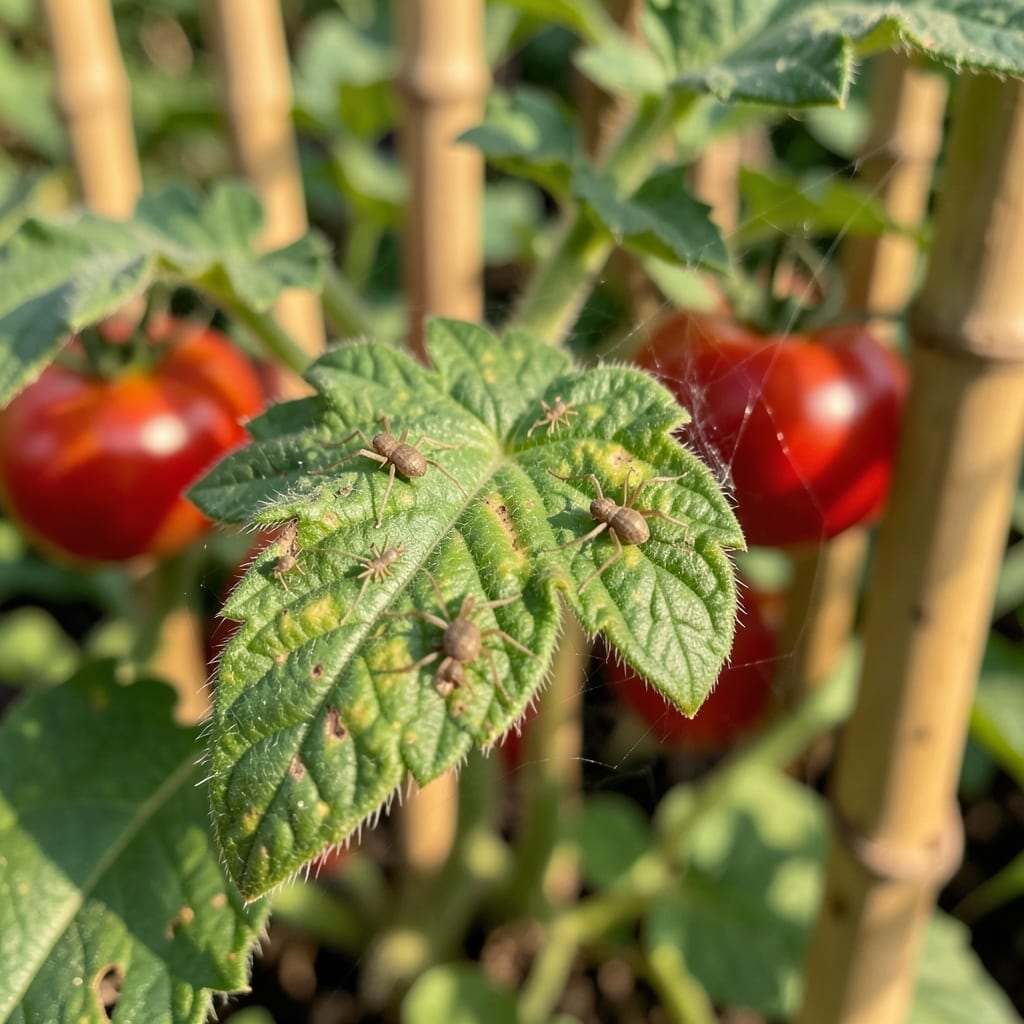
Tiny webs on your tomato leaves mean trouble. Spider mites multiply fast, turning vibrant plants into spotted, weak ones in days. I lost an entire crop to these pests before learning how to stop them cold.
The fix isn’t complicated—just consistent. A natural spray of soap and water disrupts their life cycle without harsh chemicals. Apply it every 3-4 days until they’re gone, and keep checking for new invaders.
Your plants will bounce back with healthy leaves and strong growth once the mites are under control. Prevention is easier than cure, so I’ll show you how to keep them from coming back.
Works for greenhouse tomatoes, patio plants, or garden beds. Here’s the step-by-step.
Spider mites thrive on tomato plants due to a combination of environmental and cultural factors. Understanding these triggers helps prevent future outbreaks. Below are the most common causes, explained with actionable insights.
Spider mites love hot, dry environments. When temperatures rise above 80°F (27°C) and humidity drops below 50%, their reproductive cycle accelerates. Tomatoes grown in greenhouses or arid climates are especially vulnerable. Solution: Increase humidity with misting systems or group plants together to retain moisture.
Inconsistent watering stresses tomato plants, making them more susceptible to pests. Overwatering creates root rot, weakening the plant’s defenses, while underwatering leads to drought stress, which mites exploit. Solution: Maintain even soil moisture with drip irrigation and mulch to retain water.
Dead leaves, fallen debris, and weeds provide hiding spots for spider mites. These areas also harbor eggs, allowing infestations to persist. Solution: Regularly remove plant debris, prune infested leaves, and keep the garden bed clean to eliminate breeding grounds.
Natural predators like ladybugs, lacewings, and predatory mites keep spider mite populations in check. If your garden lacks biodiversity or uses broad-spectrum pesticides, these beneficial insects disappear. Solution: Introduce beneficial insects or use targeted, organic pest control methods to preserve them.
Spider mites on tomatoes can be stubborn, but these targeted solutions will help you regain control. Address the issue based on its cause for the best results.
Spider mites thrive in dry conditions. Mist your tomato plants daily with water, especially under the leaves where mites hide. For a long-term fix, place a tray of water near the plants or use a humidifier in your growing area. Aim for 40-60% humidity to deter mites naturally.
Prevention tip: 💡 Group plants together to create a microclimate with higher humidity.
A strong spray of water can dislodge mites and their eggs. Use a garden hose with a fine nozzle and focus on the undersides of leaves. Repeat every 2-3 days for a week to break their life cycle. This method works best for light infestations.
Prevention tip: 🌡️ Avoid overhead watering in the evening to reduce fungal risks.
Release natural predators like ladybugs, lacewings, or phytoseiulus persimilis (a type of predatory mite). These beneficial insects feed on spider mites and can restore balance. Order them online or from garden centers and follow the release instructions carefully.
Prevention tip: ✨ Plant companion flowers like marigolds or alyssum to attract helpful insects.
Mix 1 tablespoon of neem oil or insecticidal soap with 1 quart of water and spray evenly on plants, focusing on leaf undersides. Reapply every 5-7 days or after rain. For a stronger solution, add 1 teaspoon of rubbing alcohol to help break down mite protective layers.
Prevention tip: 🎯 Rotate sprays (e.g., switch between neem oil and insecticidal soap) to prevent resistance.
If a few plants are heavily infested, isolate them immediately to prevent mites from spreading. For severe cases, remove and dispose of the plant (do not compost). Clean the area thoroughly to eliminate lingering mites or eggs.
Prevention tip: 🔥 Regularly inspect plants, especially new additions, to catch infestations early.
Apply natural sprays like neem oil every 5-7 days or after rain. For heavy infestations, repeat every 3-4 days until mites are gone. Consistency is key to breaking their life cycle.
Yes, mix 1 tablespoon of mild dish soap with 1 quart of water. Spray directly on mites, focusing on leaf undersides. Avoid harsh soaps that may damage plants.
They might if eggs survive. Continue treatments for at least 2 weeks after the last visible mite. Keep checking plants regularly to catch new outbreaks early.
For immediate results, use a strong water spray to dislodge them, then apply insecticidal soap. Repeat every 2-3 days for a week. This combo works quickly for light to moderate infestations.