
Beautiful Plants For Your Interior
Beautiful Plants For Your Interior
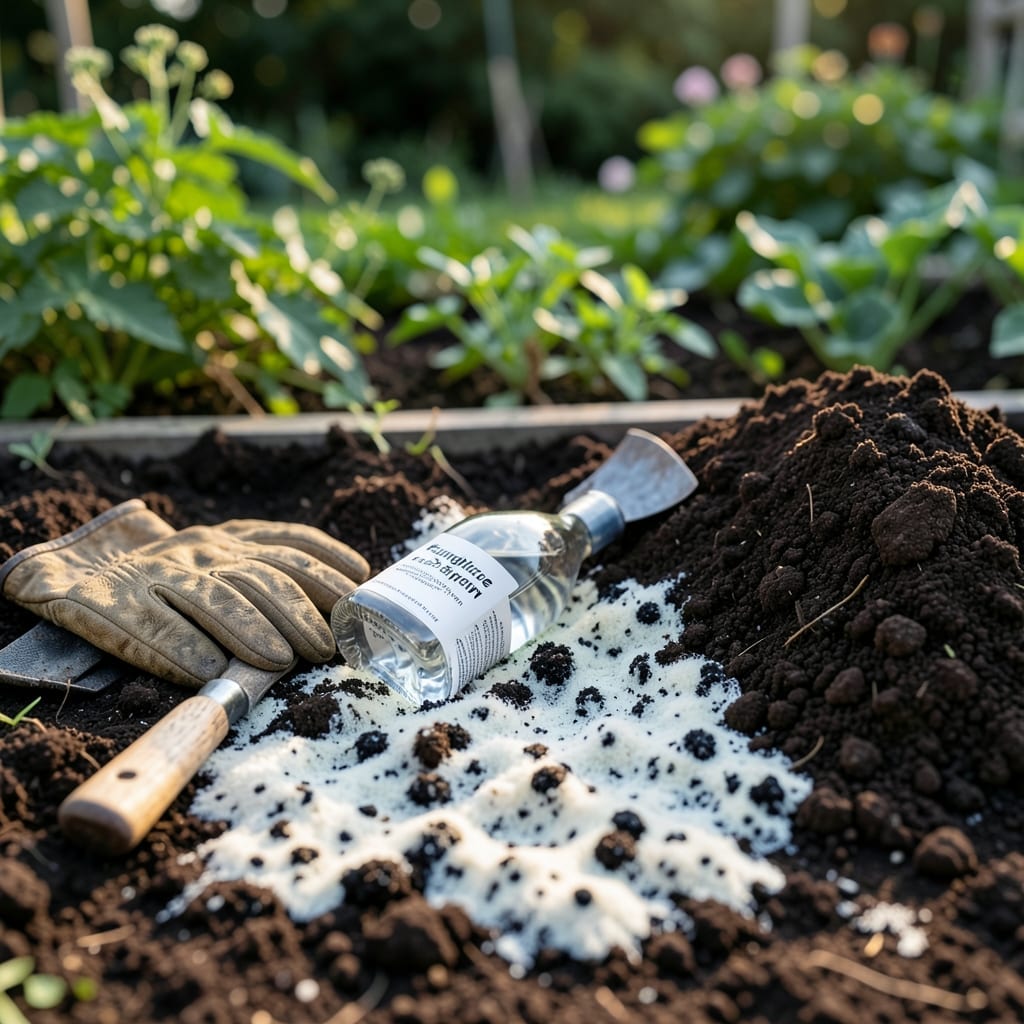
White mold creeping across your soil isn’t just ugly—it’s stealing nutrients from your plants. I’ve battled this silent thief in my own garden beds and learned that early action makes all the difference.
The solution starts with better airflow and moisture control. Most soil fungus thrives in damp, compacted conditions that we accidentally create. A few simple adjustments to your watering routine and soil structure can stop it in its tracks.
You’ll see the difference in 7-10 days as the mold recedes and your plants regain their vigor. The roots stay healthy and white, not brown and mushy, and your garden bounces back faster than you’d expect.
Works for container gardens, raised beds, or in-ground plantings. Here’s the step-by-step approach.
Soil fungus thrives under specific conditions, often signaling an imbalance in your garden or potted plants. Understanding the root causes helps you tackle the issue at its source. Here are the most common reasons fungal growth takes hold:
Fungi love damp environments. Overwatering, poor drainage, or high humidity create the perfect breeding ground. When soil stays soggy, oxygen levels drop, and anaerobic conditions favor fungal spores. Action: Ensure pots have drainage holes, and adjust watering schedules to let the top inch of soil dry between sessions.
Depleted or compacted soil lacks beneficial microbes that naturally suppress harmful fungi. Overuse of chemical fertilizers can strip the soil of its defensive organisms, leaving it vulnerable. Action: Amend soil with compost or organic matter to boost microbial diversity and improve structure.
Decaying leaves, wood chips, or plant residues provide food for fungi. If not managed, these materials decompose slowly, feeding fungal colonies. Action: Remove fallen debris regularly and avoid leaving dead plant matter on the soil surface.
Fungi proliferate in shaded, warm areas where airflow is limited. Dense plantings or mulch layers can trap moisture and heat, accelerating growth. Action: Space plants properly, thin out dense foliage, and use mulch sparingly to allow airflow.
Getting rid of soil fungus starts with identifying the root cause and applying the right fix. Below are targeted solutions for common fungal issues, paired with prevention tips to keep your soil healthy long-term.
Fungus thrives in soggy soil. If excess moisture is the culprit, stop watering immediately and let the soil dry out. For potted plants, ensure containers have drainage holes. For garden beds, mix in coarse sand, perlite, or compost to improve aeration. Water only when the top inch of soil feels dry.
Prevention: Use a moisture meter or the finger test to avoid overwatering. 💡 Pro tip: Water early in the day so excess moisture evaporates by evening.
Stagnant air traps humidity, encouraging fungal growth. Thin out dense plantings to allow airflow between leaves and stems. Prune lower branches on shrubs and trees to improve ventilation at soil level. For indoor plants, use a small fan to keep air moving.
Prevention: Space plants according to their mature size, and avoid crowding containers on trays or saucers.
If the soil is heavily infested, removal may be necessary. For small areas, replace the top 6 inches of soil with fresh, sterile potting mix. For larger plots, try solarization: Cover the soil with clear plastic for 4–6 weeks during hot weather. The heat will kill off fungus and other pathogens.
Prevention: Rotate crops annually and avoid reusing soil from infected plants without treatment.
Too much nitrogen or organic matter can fuel fungal growth. Switch to a balanced, slow-release fertilizer and avoid over-fertilizing. Add neem cake or compost tea to boost beneficial microbes that compete with harmful fungi.
Prevention: Test your soil every 1–2 years to monitor nutrient levels and adjust amendments accordingly.
Yes, a mild solution of 1 tablespoon baking soda per gallon of water can help. Spray it lightly on affected soil, but avoid overuse as it may alter pH levels. This works best for minor surface mold.
Only after treatment. Solarize the soil by covering it with clear plastic for 4-6 weeks in hot weather, or mix in antifungal compost. Never reuse untreated soil for new plants.
Water only when the top 1-2 inches of soil are dry. Early morning watering allows excess moisture to evaporate during the day, reducing fungal risks.