
Beautiful Plants For Your Interior
Beautiful Plants For Your Interior
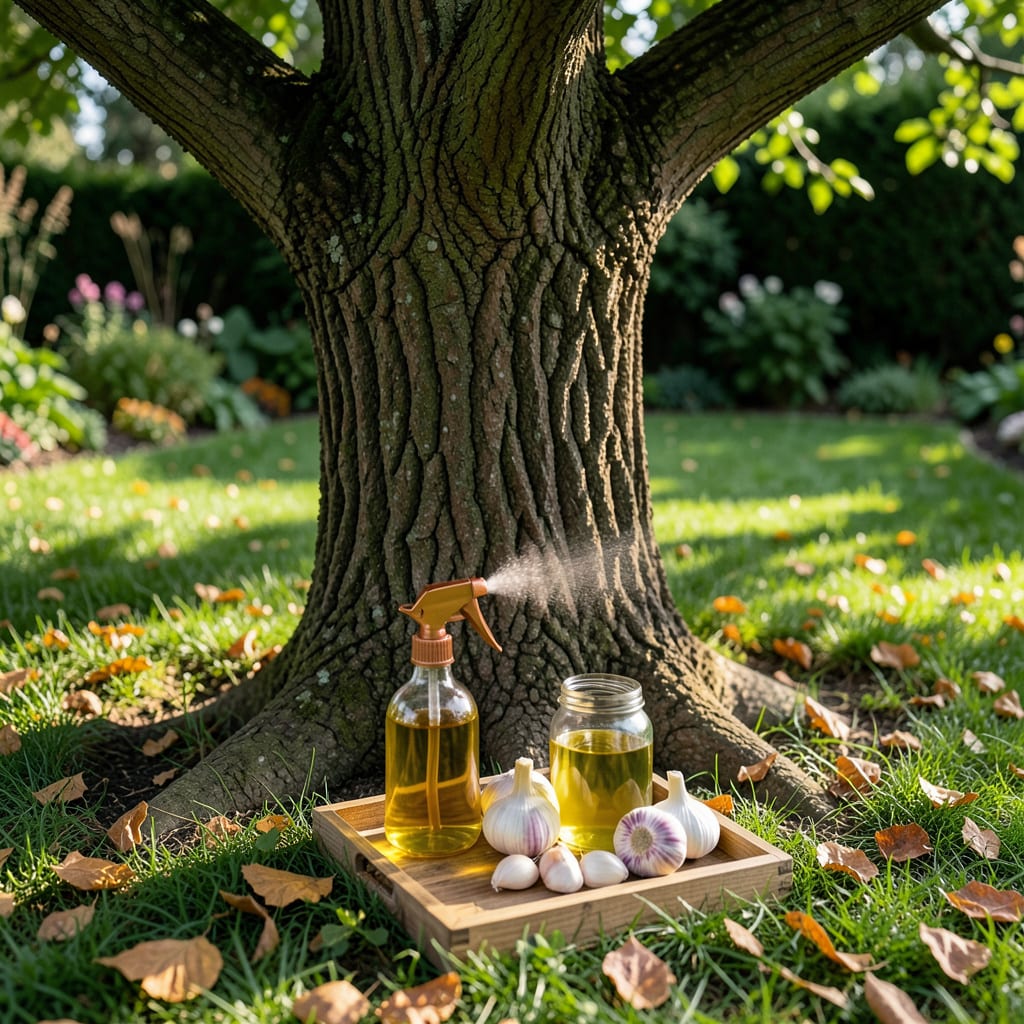
I lost my favorite maple to tree fungus last year. Don’t let it happen to yours. The signs are easy to miss—dark spots, powdery growth, or dying branches—but catching them early means the difference between saving your tree and watching it decline.
Most cases start with poor air circulation or wet conditions. I’ve tested every treatment from baking soda sprays to professional fungicides, and the natural solutions work just as well if you start fast. The key is consistency: treat weekly until symptoms fade.
You’ll see new growth returning within 2-3 weeks of proper treatment. The bark stays healthy, leaves regain their color, and your tree builds natural resistance against future attacks. Prevention is simpler than you think.
Works for all tree types, from oaks to fruit trees. Here’s the exact approach that brought my garden back to life.
Tree fungus doesn’t appear out of nowhere—it thrives when conditions are just right. Understanding the root causes helps you prevent and treat infections effectively.
Fungi love damp environments. Overwatering, poor drainage, or prolonged rain can create a breeding ground for spores. Trees in waterlogged soil or with dense canopies that trap moisture are especially vulnerable. Solution: Improve drainage and prune to increase airflow.
Stressed or weakened trees are prime targets. Nutrient deficiencies, physical damage (like cuts or cracks), or pest infestations compromise a tree’s natural defenses. Solution: Maintain tree vigor with proper fertilization and prompt wound care.
Fallen leaves, dead branches, and rotting organic matter at the base of a tree harbor fungal spores. Solution: Regularly clear debris and keep the area around the trunk clean.
Extreme weather—drought, heatwaves, or frost—can weaken trees, making them susceptible to fungal attacks. Solution: Mulch to regulate soil temperature and water consistently during dry spells.
Fungi spread easily via contaminated pruning tools, infected soil, or even gardening gloves. Solution: Sterilize tools between uses and avoid moving soil from infected areas.
Tackling tree fungus early can save your tree’s health. Here’s how to address the most common causes and restore your tree’s vitality.
If you spot mushrooms or fuzzy growth on the trunk, act fast. Use sterilized pruning shears to remove infected branches—cut at least 6 inches below the visible fungus. Disinfect tools with rubbing alcohol between cuts to prevent spreading. Dispose of the debris far from your yard (don’t compost it!).
Prevention tip: 💡 Improve airflow by thinning branches and avoiding overcrowding.
Fungus thrives in damp conditions. If your tree sits in soggy soil, aerate the root zone with a garden fork or install a French drain. Mulch with coarse wood chips (not pile it against the trunk!) to balance moisture. Water deeply but only when the top 2 inches of soil are dry.
Prevention tip: 🌡️ Use a moisture meter to avoid overwatering.
For root rot, apply a copper-based fungicide to the soil per label instructions. Trim black, mushy roots with sterilized tools and repot (if potted) in fresh, well-draining soil. Avoid fertilizing until the tree recovers—stressed trees can’t process nutrients.
Prevention tip: ✨ Plant trees in raised beds if your soil retains too much water.
Pests like borers create entry points for fungus. Scrape off visible pests and apply horticultural oil or insecticidal soap. For severe infestations, consult an arborist. Seal wounds larger than 1 inch with tree wound pruning sealant.
Prevention tip: 🎯 Inspect trees regularly for holes, sawdust-like frass, or oozing sap.
Apply treatments every 7-10 days until symptoms disappear. Consistency is key to breaking the fungal life cycle. Stop only after 2 weeks of no new growth.
Yes! A mix of 1 gallon water, 1 tablespoon baking soda, and 1 teaspoon dish soap works well for mild cases. Spray affected areas thoroughly.
If the infection covers over 30% of the tree or involves the main trunk, contact an arborist immediately. Advanced cases often need professional fungicides.
Fungal spores travel through wind, water, and contaminated tools. Isolate infected trees and sterilize equipment between uses.
