
Beautiful Plants For Your Interior
Beautiful Plants For Your Interior
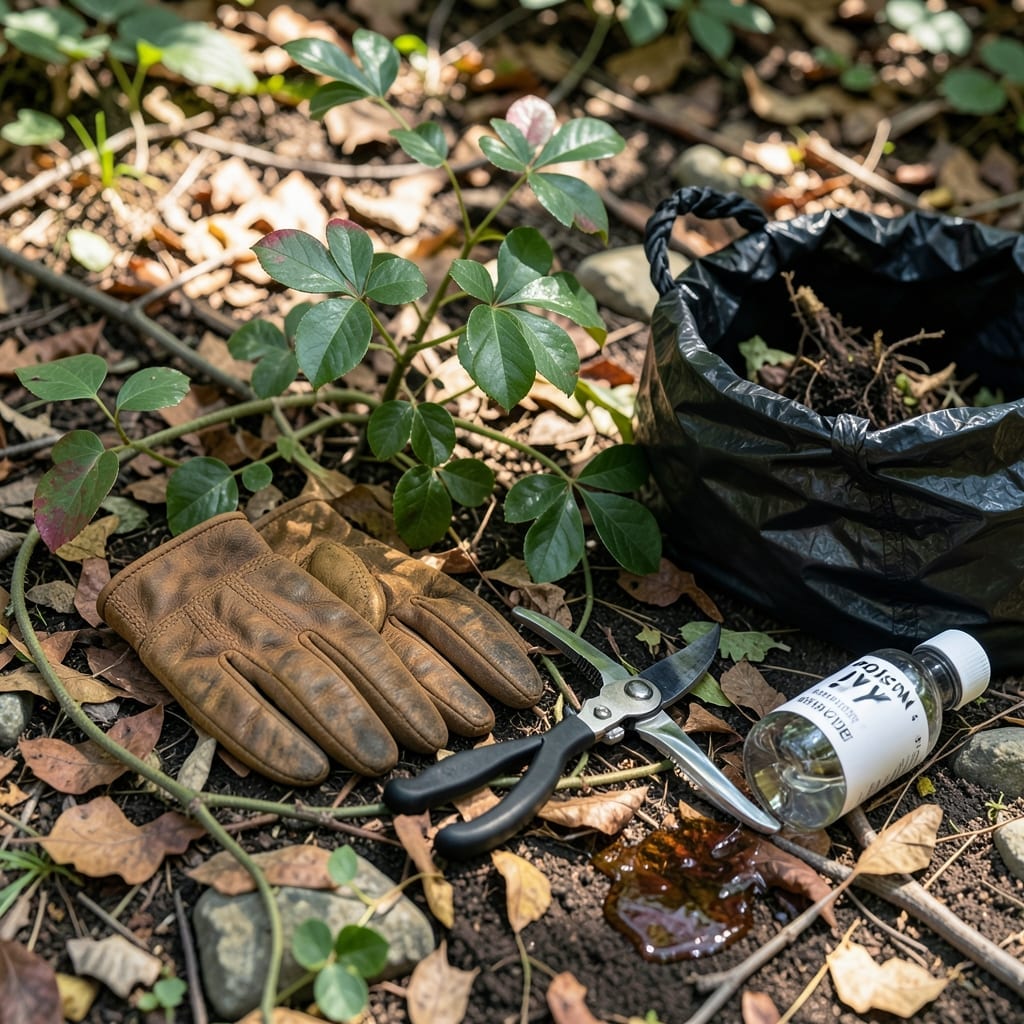
That three-leaf menace climbing your oak isn’t just unsightly—it’s a hazard. I’ve battled poison ivy on trees for years, and the key is removing it without damaging the bark underneath.
Here’s the thing—most methods either kill the ivy or the tree. The solution involves careful cutting at the base, targeted treatments, and protective gear. It’s not complicated, just precise.
You’ll see results within 2-3 weeks as the vines wither, and your tree stays safe. No chemicals touching the bark, no regrowth from hidden roots.
Works for any tree size, from saplings to mature oaks. Let’s tackle this the right way.
Poison ivy thrives on trees due to a mix of environmental and biological factors. Understanding these causes can help you prevent and manage its growth effectively.
Poison ivy (Toxicodendron radicans) flourishes in areas with partial sunlight and well-drained soil, which many tree bases provide. Trees offer structural support for the vine to climb, while their bark traps moisture and organic matter, creating a fertile micro-environment for poison ivy seeds to germinate.
Birds and small mammals consume poison ivy berries and excrete the seeds near trees or other vertical structures. This natural dispersal method often leads to new vines sprouting at the base of trees, where the seeds find rich, undisturbed soil.
In wooded or semi-wooded areas, poison ivy outcompetes other ground plants due to its aggressive growth habit. When tree canopies block sunlight from reaching the forest floor, poison ivy adapts by climbing tree trunks to access light, often dominating the space before other plants can establish themselves.
Disturbances like landscaping, logging, or clearing brush can inadvertently create ideal conditions for poison ivy. Exposed soil and increased sunlight at the base of trees encourage its growth, while discarded vines or roots from other areas can take hold and spread.
Poison ivy climbing your trees can be a persistent nuisance, but these targeted solutions will help you reclaim your landscape safely. Below are practical fixes for common scenarios, along with prevention tips to keep it from returning.
If the poison ivy is limited to a few vines, hand-pulling can be effective. Wear long sleeves, gloves, and eye protection to avoid skin contact. Use a shovel or trowel to dig up the roots—this is critical, as leaving any behind will allow regrowth. Bag and dispose of the plants immediately (do not compost).
For extensive growth, smothering works well. Cut the vines at the base, then cover the area with thick cardboard or black plastic. Weigh it down with rocks or mulch to block sunlight. This method kills the plants over 4–6 weeks. Avoid herbicides near tree roots to prevent damage to the bark.
If manual methods aren’t feasible, apply a glyphosate-based herbicide only to the poison ivy leaves—not the tree trunk. Use a shield (like cardboard) to protect the bark. Reapply as needed, but monitor the tree for stress. Opt for vinegar-based alternatives for a non-toxic approach, though they may require more applications.
With consistency, you can keep your trees ivy-free without harming their health!
Never burn poison ivy. The smoke carries urushiol oil, which can cause severe lung irritation or rashes if inhaled. Always dispose of vines in sealed bags instead.
Vinegar-based sprays typically show results in 1-2 weeks but may require multiple applications. For best results, apply on a sunny day when leaves are dry.
Cutting severs the connection to roots, but the vines may regrow if any root fragments remain. For permanent removal, dig out the entire root system.
Salt can kill poison ivy but may also harm tree roots and soil health. Avoid using it near valuable trees.