
Beautiful Plants For Your Interior
Beautiful Plants For Your Interior
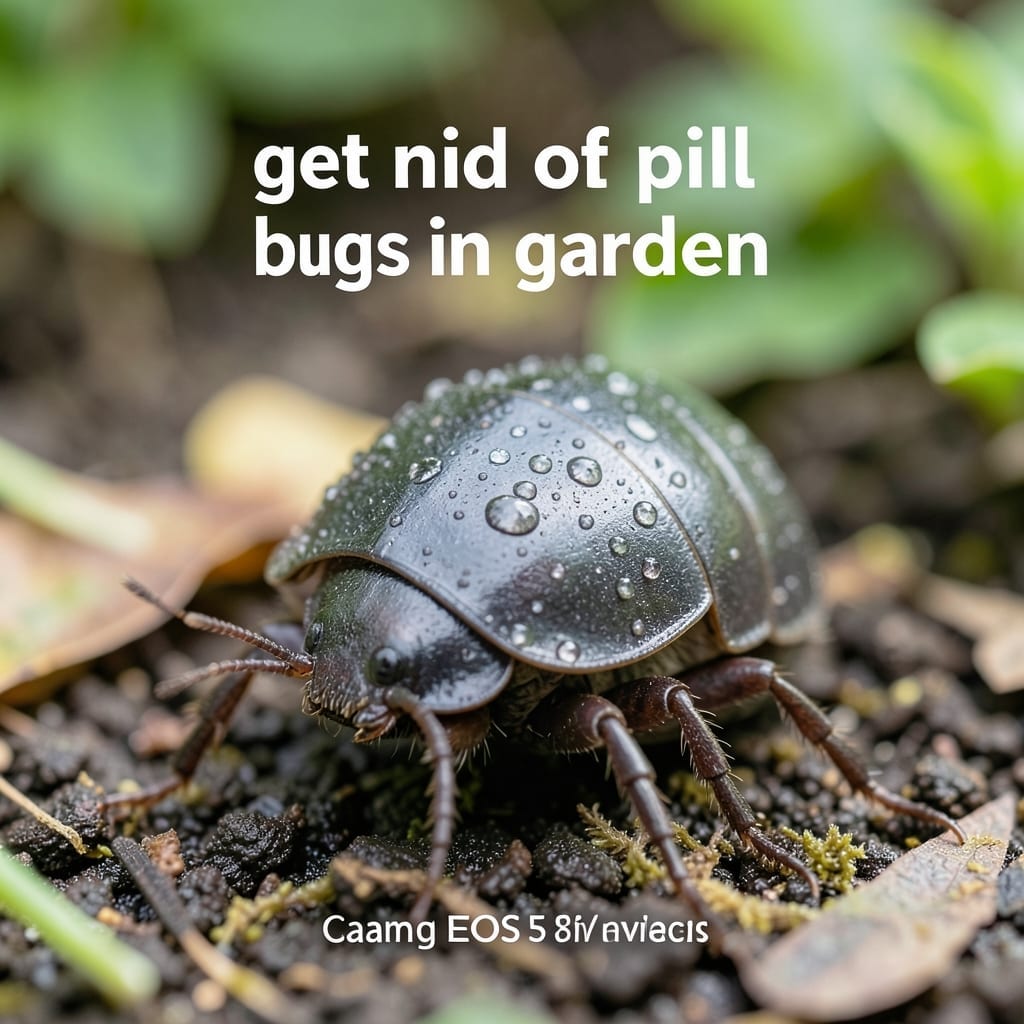
Pill bugs started appearing in my raised beds last spring. 🌱 I noticed the damage first—seedlings chewed to nubs overnight, with no slugs or caterpillars in sight.
These little gray armadillos thrive in damp, decaying matter. They’re nature’s recyclers, but when they move from the compost pile to your garden, they’ll munch on tender stems and roots. The solution isn’t poison—it’s changing their living conditions.
I’ve tested 5 natural methods that work without harming soil health. The most effective? Removing their hiding spots and letting the soil dry out between waterings. They’ll relocate on their own.
Your plants will recover quickly once the pill bugs move on. The key is consistency—check under boards and mulch weekly, and keep your garden clean and balanced.
Pill bugs, also known as roly-polies or woodlice, are attracted to gardens for specific reasons. Understanding these causes can help you address the issue effectively. Below are the primary factors that draw pill bugs to your garden:
Pill bugs thrive in damp environments. Overwatering, poor drainage, or high humidity levels create the perfect habitat for them. They seek out moist soil, mulch, or decaying organic matter to stay hydrated and protected.
These creatures feed on decomposing plant material, such as leaves, grass clippings, and compost. A garden with abundant organic debris provides an ideal food source, encouraging pill bugs to settle and multiply.
In a balanced ecosystem, natural predators like birds, spiders, and centipedes keep pill bug populations in check. If your garden lacks these predators, pill bugs can proliferate unchecked.
While mulch helps retain soil moisture and suppress weeds, excessive mulching creates a cozy, damp shelter for pill bugs. Thick layers of mulch trap moisture and provide hiding spots, making your garden a pill bug paradise.
Pill bugs thrive in damp, decaying environments, but a few targeted changes can restore balance to your garden. Here’s how to tackle each root cause with simple, effective fixes.
Reduce excess water by fixing leaky hoses or improving soil drainage. Add organic compost or coarse sand to heavy clay soil to help it dry faster. Water plants in the morning so surfaces dry by evening, taking away the pill bugs’ favorite habitat.
Remove piles of leaves, grass clippings, and mulch where pill bugs hide. Turn your compost pile regularly to speed up decomposition and discourage pests. Keep garden beds tidy to eliminate their food source and breeding grounds.
While mulch helps retain moisture, too much invites pill bugs. Aim for a 2–3 inch layer and keep it a few inches away from plant stems. Use cedar or cypress mulch, which naturally repels pests with its scent.
💡 Pro Prevention Tips:
They rarely cause serious damage but may chew tender seedlings or roots in damp conditions. Mostly they feed on decaying matter, so keeping your garden clean reduces their impact.
No, they don’t bite humans or pets. Pill bugs are harmless and actually help break down organic material. Their presence usually indicates excess moisture in your garden.
They reproduce slowly, laying about 24 eggs every 2 months. Their populations grow when conditions are ideal—damp, dark, and full of decaying plant matter.
Avoid pesticides—they harm beneficial insects and soil health. Natural methods like reducing moisture and removing debris are safer and more effective long-term.