
Beautiful Plants For Your Interior
Beautiful Plants For Your Interior
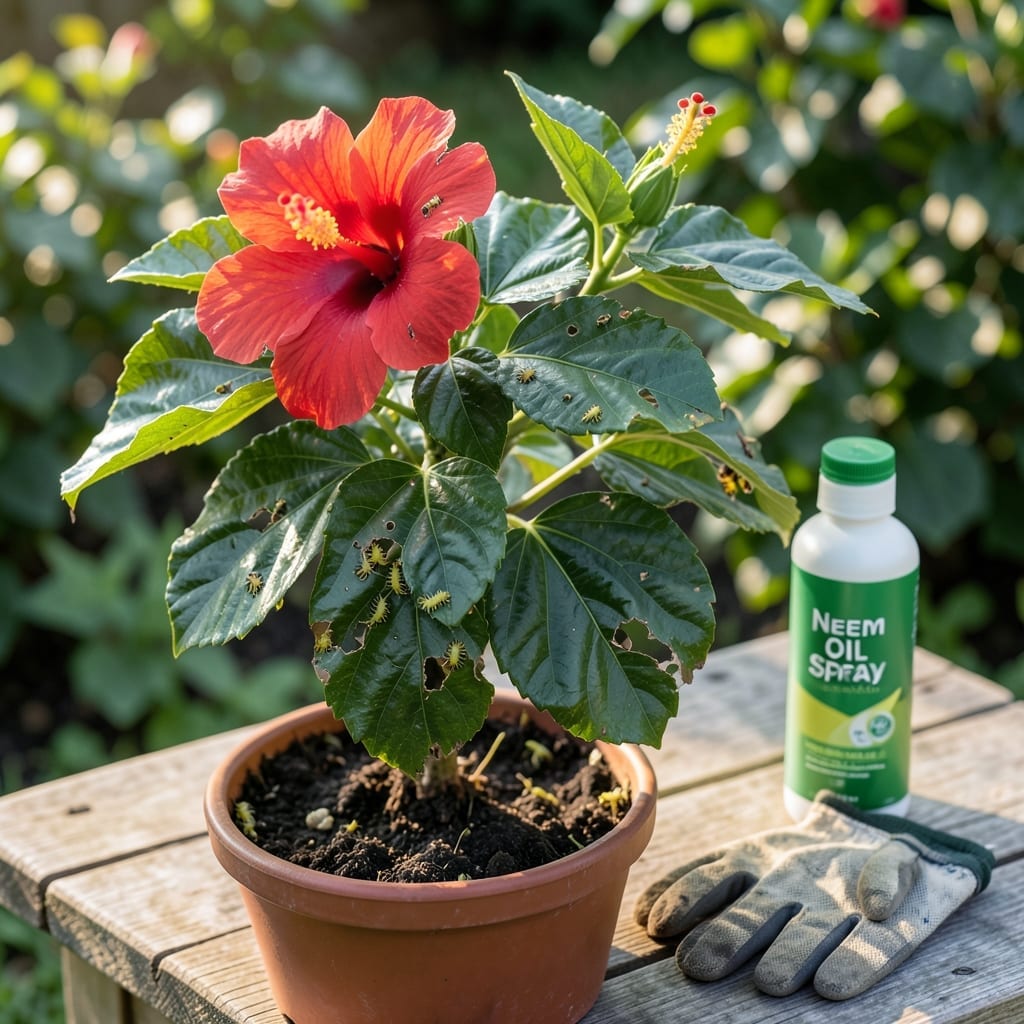
Sawfly larvae skeletonized my hibiscus leaves overnight. I panicked until I learned these pests are beatable without harsh chemicals.
Hand-picking works for small infestations—just drop them in soapy water. For bigger problems, neem oil or insecticidal soap does the trick. The key is catching them early before they strip your plants bare.
Prevention means checking leaves daily in summer and removing eggs before they hatch. Healthy plants resist better, so don’t skip watering and feeding.
This method protects your hibiscus without harming bees or butterflies. Your plants will thank you with vibrant blooms all season long.
The presence of hibiscus sawfly (Atomacera decepta) in your garden is rarely random. These pests are drawn to specific conditions and plant vulnerabilities. Below are the primary reasons why your hibiscus may be attracting them.
Hibiscus sawfly larvae feed exclusively on plants in the Malvaceae family, with hibiscus being their top choice. The adults lay eggs on the undersides of leaves, where the emerging larvae immediately begin consuming the foliage. If your garden has a high concentration of hibiscus or related plants (like okra or hollyhocks), the risk of infestation increases significantly.
These sawflies thrive in warm, humid environments, which accelerate their life cycle. Regions with mild winters and long growing seasons—such as the southern U.S.—are particularly susceptible. High humidity also keeps the foliage soft, making it easier for larvae to feed and grow rapidly.
In balanced ecosystems, predatory insects like parasitic wasps, ladybugs, and lacewings help control sawfly populations. However, if your garden lacks biodiversity or has been heavily treated with broad-spectrum pesticides, these natural predators may be absent, allowing sawfly numbers to explode unchecked.
Excessive nitrogen fertilization promotes lush, tender new growth—the exact type of foliage hibiscus sawfly larvae prefer. Over-fertilized plants also recover more slowly from damage, giving pests a prolonged food source. Reducing high-nitrogen inputs can make your hibiscus less appealing to egg-laying adults.
Dealing with hibiscus sawfly larvae? Here’s how to tackle each issue head-on with simple, effective fixes and prevention tips to keep your plants thriving. 🌿
If you spot the green, caterpillar-like larvae on your hibiscus leaves, the first step is manual removal. Wear gloves and pluck them off by hand, dropping them into a bucket of soapy water to ensure they don’t return. Do this early in the morning or late afternoon when they’re most active but easier to spot.
Prevention tip: Inspect your plants daily during warm months, as sawfly populations can explode quickly. 💡
For heavily infested branches or leaves, prune and dispose of them immediately. Seal the clippings in a plastic bag and toss them in the trash—do not compost, as the larvae may survive. This reduces the population and prevents further spread.
Prevention tip: Keep your hibiscus well-trimmed to improve airflow and reduce hiding spots for pests. ✨
Use neem oil or insecticidal soap for a chemical-free solution. Spray thoroughly, covering both sides of the leaves, especially the undersides where larvae hide. Reapply every 5–7 days or after rain.
Prevention tip: Apply a preventative spray of neem oil monthly during the growing season to deter adults from laying eggs. 🎯
Attract beneficial insects like parasitic wasps, lacewings, and birds by planting companion flowers (e.g., marigolds, daisies) or setting up a bird feeder. These predators feed on sawfly larvae, keeping their numbers in check.
Prevention tip: Avoid broad-spectrum pesticides, which can harm these helpful allies. 🌡️
A healthy hibiscus is more resistant to pests. Ensure it gets full sun, consistent watering (but not soggy soil), and balanced fertilizer (high in potassium for blooms). Mulch around the base to retain moisture and deter egg-laying adults.
Prevention tip: Remove fallen leaves and debris regularly to eliminate potential breeding grounds. 🌿
Inspect daily during warm months, focusing on leaf undersides where eggs and larvae hide. Early detection prevents major damage.
Avoid broad-spectrum pesticides—they kill beneficial predators too. Stick to neem oil or insecticidal soap for targeted control.
Apply in early morning or late evening when larvae are active but won’t be harmed by sun. Reapply after 5–7 days or rain.
No—removing infested leaves reduces the population. Just seal clippings in a bag before disposal to prevent escape.