
Beautiful Plants For Your Interior
Beautiful Plants For Your Interior
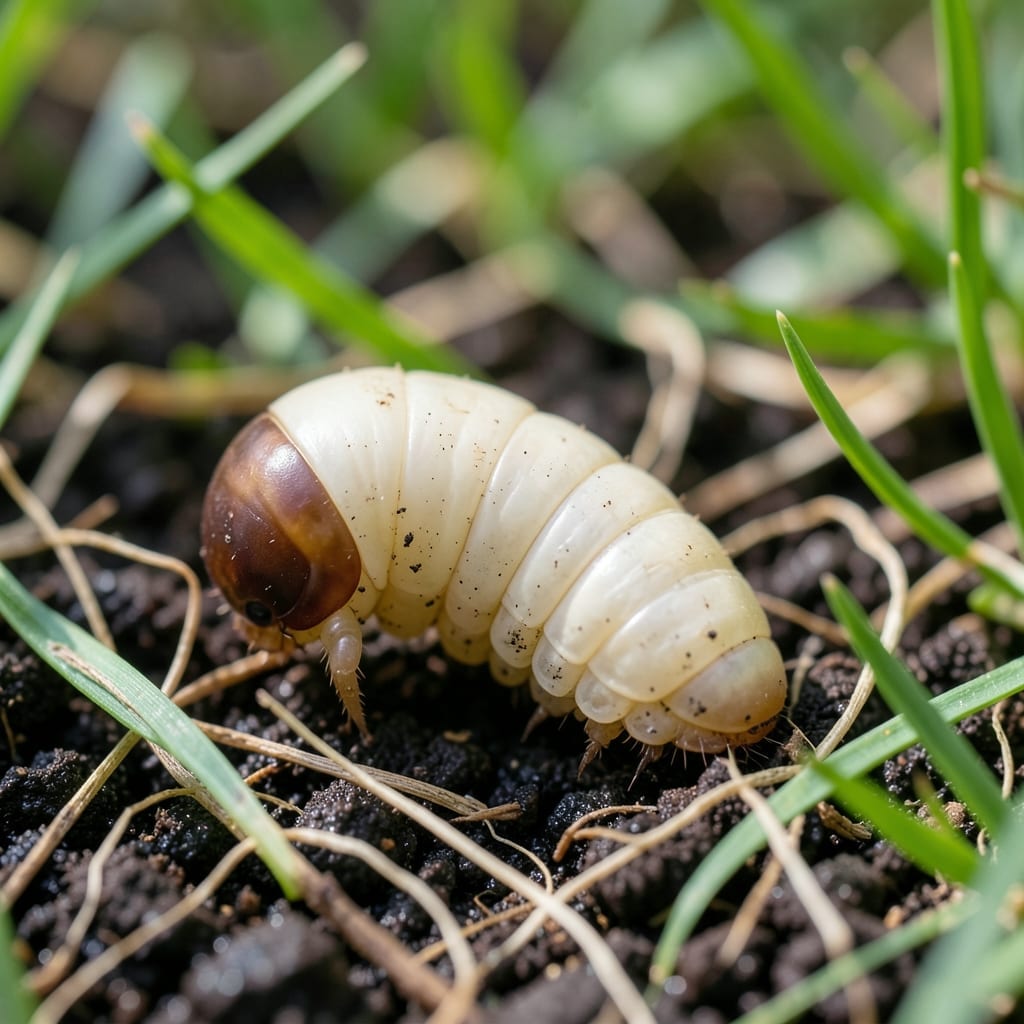
Those white grubs in your lawn aren’t just gross—they’re eating your grass from the roots up. I lost 30 square feet of turf before figuring out the early signs: brown patches that pull up like loose carpet.
The damage spreads fast in warm weather, when grubs are most active. You’ll spot more birds digging in the yard too, since they’re hunting the same pests. Catching them early saves your lawn and your sanity.
Natural fixes like beneficial nematodes work surprisingly well, with no harsh chemicals. I’ve seen brown patches turn vibrant green again within 2-3 weeks using just these microscopic allies.
Works for any lawn size, from small backyards to sprawling properties. Here’s how to reclaim your grass.
Grub worms, the larval stage of beetles like Japanese beetles or June bugs, thrive in lawns due to specific environmental and maintenance conditions. Understanding these root causes helps prevent infestations before they start.
Grubs prefer moist, soft soil to lay eggs and feed on roots. Overwatering or compacted soil with poor drainage creates the perfect breeding ground. Action: Aerate your lawn and adjust watering to 1–1.5 inches per week, including rainfall.
A thatch layer thicker than ½ inch traps moisture and heat, shielding grubs from predators and pesticides. Action: Dethatch annually if needed, especially in warm-season grasses like Bermuda or Zoysia.
Beneficial nematodes, birds, and toads keep grub populations in check. Overuse of broad-spectrum pesticides can kill these allies, allowing grubs to multiply. Action: Introduce Heterorhabditis bacteriophora nematodes or encourage wildlife with native plants.
Grubs favor south-facing or sunlit lawn sections where soil temperatures reach 60–75°F. Action: Monitor these hotspots in late summer (peak egg-laying time) and treat preventatively.
Dealing with grub worms doesn’t have to mean reaching for harsh chemicals. Here’s how to tackle each common cause with simple, effective fixes—and keep your lawn grub-free long-term.
Grubs thrive in damp soil. Fix this by aerating your lawn to improve airflow and water absorption. Use a garden fork or core aerator in early spring or fall. For persistent wet spots, amend the soil with compost or sand. Prevention tip: Water deeply but less frequently—aim for 1 inch per week, early in the morning. 💡
A thatch layer thicker than ½ inch shelters grubs and blocks treatments. Use a dethatching rake or power dethatcher in early summer or late spring. Follow up with overseeding to help the lawn recover. Prevention tip: Aerate annually to prevent thatch buildup and keep your turf healthy. ✨
Encourage birds, toads, and predatory beetles by adding birdhouses, a small water feature, or native plants. Avoid broad-spectrum pesticides, which kill off grub-eating insects. Prevention tip: Leave grass clippings after mowing to provide food for ground-dwelling predators. 🎯
Test your soil’s pH—grubs prefer slightly acidic to neutral soil (6.0–7.0). Apply lime to raise pH or sulfur to lower it, as needed. Boost soil health with organic matter like compost or a slow-release fertilizer. Prevention tip: Fertilize in early summer to strengthen grass roots before grub season peaks. 🌡️
Late summer to early fall is ideal, when young grubs are small and near the surface. A second application in spring can catch any stragglers before they mature.
They thrive in moist, well-drained soil with temperatures between 42-90°F. Water before and after application to help them move through the soil.
Lift a small section of turf—if it rolls up like carpet and you see white grubs, that’s the culprit. Healthy grass won’t pull up so easily.
Most require 24-48 hours before pets can return to the area. Always follow label instructions and water thoroughly after application.