
Beautiful Plants For Your Interior
Beautiful Plants For Your Interior
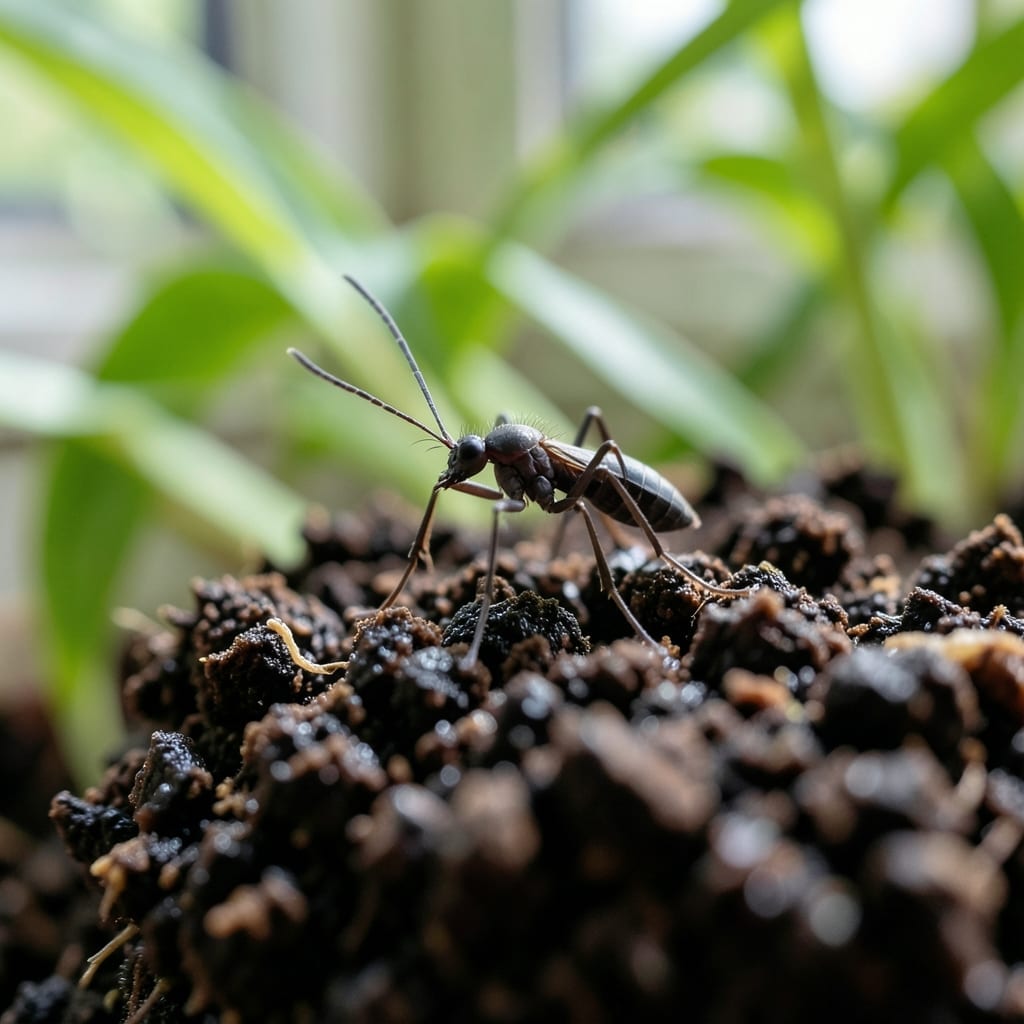
Tiny black flies swarming your plants mean gnats have moved in. I’ve battled these pests more times than I’d like to admit, but the vinegar trap method works every time without harsh chemicals.
The fix is simpler than you think—just apple cider vinegar and dish soap in a shallow container. The gnats are drawn to the scent, get trapped, and your plants get instant relief.
Within 24 hours, you’ll notice fewer gnats buzzing around. Stick with it for a week, and they’ll be gone for good. No expensive sprays, no fuss.
Prevention is just as easy: let the top inch of soil dry out between waterings. Gnats love dampness, so cutting back on moisture stops them before they start.
Gnats in houseplants are more than a nuisance—they’re a sign of underlying issues in your plant care routine. Understanding the root causes helps you tackle the problem effectively and prevent future outbreaks. Here’s why these tiny pests appear in the first place:
Funghi gnats (Sciaridae family) thrive in damp, organic-rich soil. When you overwater your plants, the top layer of soil stays moist for too long, creating the perfect environment for gnat eggs to hatch and larvae to feed on decomposing plant matter. Solution: Let the top 1-2 inches of soil dry out between waterings to disrupt their life cycle.
Gnats are drawn to rotting leaves, fallen debris, or uneaten organic fertilizer in your plant’s pot. These materials provide food for larvae and a humid shelter for adults. Actionable fix: Remove dead foliage, clear away leaf litter, and avoid leaving organic matter (like fruit peels or coffee grounds) on the soil surface.
Plants in pots without drainage holes or with compacted soil retain excess water, which accelerates fungal growth—a primary food source for gnat larvae. Tip: Repot plants in containers with drainage holes and use a well-aerating soil mix (e.g., perlite or sand) to improve airflow and reduce moisture buildup.
Store-bought potting mix or garden soil can sometimes harbor gnat eggs or larvae. If you’ve recently repotted a plant and noticed gnats, the soil itself might be the culprit. Prevention: Sterilize new soil by baking it at 200°F (93°C) for 30 minutes before use, or opt for pre-sterilized potting mixes labeled for indoor plants.
Gnats in your plants can be a nuisance, but natural solutions are both effective and easy to implement. Here’s how to tackle each common cause with practical fixes:
Gnats thrive in damp soil. Stop watering immediately and let the top 1-2 inches of soil dry out completely. Check moisture with your finger—if it feels dry, it’s safe to water lightly. For severe cases, repot the plant in fresh, dry soil.
Clear away fallen leaves, dead plant material, and uneaten organic matter from the soil surface. These attract gnats and provide breeding grounds. Use a small rake or spoon to gently scoop out debris without disturbing the roots.
Mix 1 part apple cider vinegar with 1 part water in a shallow dish, add a few drops of dish soap, and place it near the plant. The vinegar lures gnats, while the soap traps them. Replace every 2-3 days until gnats disappear.
Ensure pots have drainage holes and use a well-draining potting mix. Add a layer of sand or perlite to the bottom to prevent waterlogging. Elevate pots to avoid standing water in saucers.
Prevention Tips:
Replace the vinegar solution every 2-3 days for best results. The mixture loses effectiveness as it collects gnats and debris. Fresh traps maintain strong scent attraction to lure more pests.
No, cinnamon is completely safe for plants and acts as a natural fungicide. Use a thin layer on the soil surface to deter gnats without damaging your greenery. It even helps prevent damping-off disease.
Yes, white vinegar works just as well as apple cider vinegar. The acidity is what attracts gnats, so either type will effectively trap them in your DIY solution.
Recurring gnats usually mean moisture or organic debris remains. Check for overwatering, poor drainage, or hidden decaying matter. Address these issues to break their breeding cycle for good.