
Beautiful Plants For Your Interior
Beautiful Plants For Your Interior
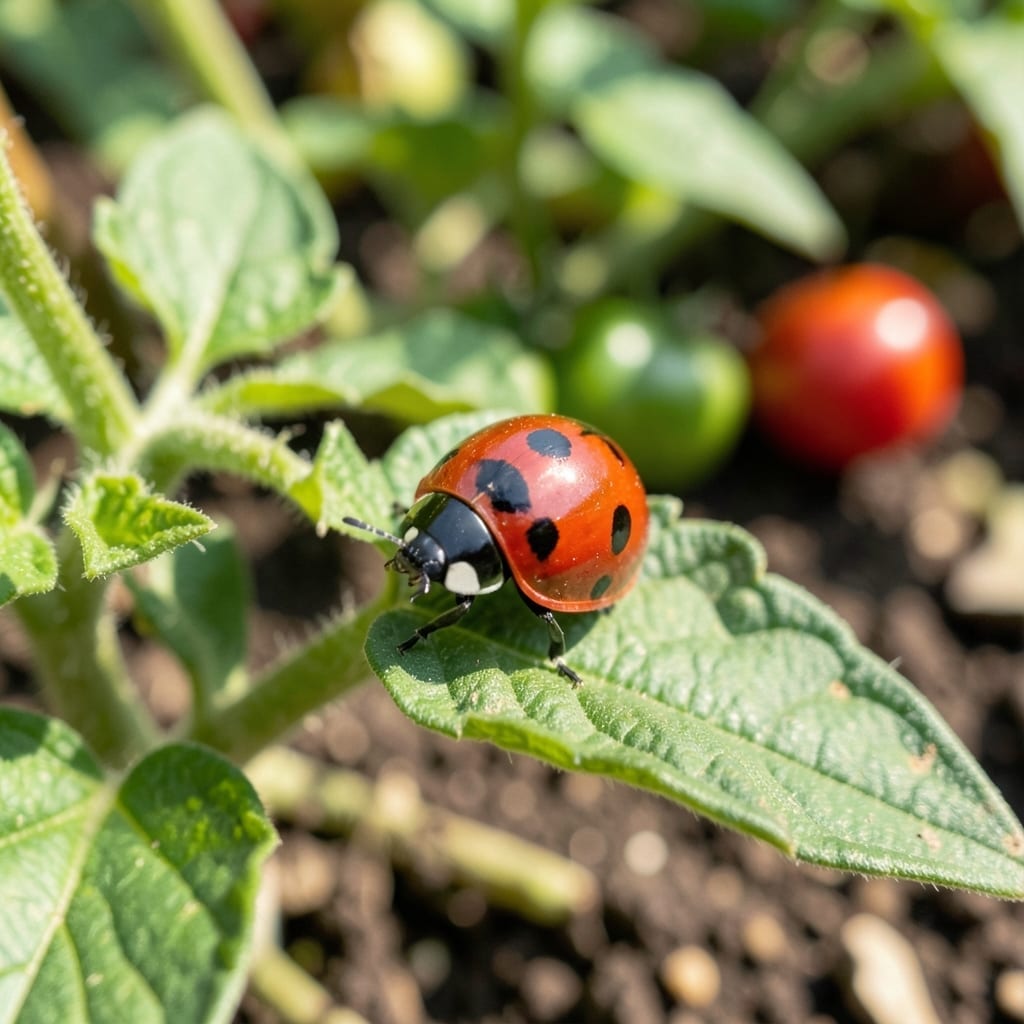
My peppers went from lush to lace overnight last summer. Tiny invaders can turn a healthy garden into a buffet, but the solution doesn’t have to involve harsh chemicals.
I’ve tested every remedy from soap sprays to companion planting. The most effective approach combines prevention with targeted action—catch problems early and your plants bounce back faster than you’d expect.
You’ll spot the signs before they spread: chewed edges, sticky residue, or sudden wilting. Address these quickly and your foliage stays vibrant without sacrificing pollinators or soil health.
Works for roses, tomatoes, or your entire landscape. Here’s the playbook.
Understanding why bugs target your outdoor plants is the first step toward prevention. Several environmental and biological factors create the perfect conditions for infestations. Below, we break down the most common causes.
When plants are too close together, airflow is restricted, creating a humid, stagnant environment that attracts pests like aphids, spider mites, and whiteflies. These bugs thrive in damp, shaded areas where moisture lingers on leaves. Proper spacing allows for better ventilation, reducing the risk of infestation.
Overwatering or poor drainage leads to soggy soil and wet foliage, which invites fungus gnats, slugs, and soft-bodied insects. Many pests are drawn to the moisture itself, while others feed on the fungi that grow in waterlogged conditions. Ensure your plants have well-draining soil and water only when necessary.
Monoculture gardens (planting only one type of plant) create an all-you-can-eat buffet for pests. Without natural predators or plant diversity, populations of caterpillars, beetles, and scale insects can explode. Introducing companion plants—like marigolds to repel nematodes or basil to deter mosquitoes—can disrupt pest cycles naturally.
Plants weakened by poor soil health are more susceptible to attacks. Over-fertilizing with nitrogen, for example, produces lush but soft growth that aphids and leafhoppers love. Conversely, nutrient-deficient plants struggle to defend themselves. Regular soil testing and balanced fertilization keep plants resilient.
Drought, extreme heat, or sudden temperature drops stress plants, making them emit chemicals that attract pests. Stressed plants also produce fewer defensive compounds. Mulching, consistent watering, and shade cloths can help stabilize growing conditions and reduce vulnerability.
Dealing with bugs on outdoor plants can be frustrating, but the right approach will restore your garden’s health. Below are practical solutions tailored to common pests, along with prevention tips to keep them from returning.
A strong spray of water from a hose can knock aphids off plants, reducing their numbers instantly. For stubborn infestations, mix 1 tablespoon of mild dish soap with 1 quart of water and spray directly on the leaves. Reapply every few days until they’re gone.
Prevention tip: 💡 Encourage natural predators like ladybugs by planting nectar-rich flowers nearby.
These tiny pests thrive in dry conditions. Mix 2 tablespoons of neem oil with 1 gallon of water and a few drops of dish soap, then spray evenly on the plant, focusing on the undersides of leaves. Repeat weekly.
Prevention tip: 🌡️ Keep plants well-hydrated, as spider mites love dry, dusty environments.
For larger pests like Japanese beetles, handpick them off plants in the early morning when they’re sluggish and drop them into soapy water. Alternatively, set up beer traps (bury a shallow dish filled with beer near the plants—they’ll drown in it).
Prevention tip: ✨ Cover young plants with floating row covers to block adult beetles from laying eggs.
Spread diatomaceous earth or crushed eggshells around the base of plants to create a sharp barrier these pests won’t cross. For a more proactive approach, set out shallow dishes of beer (they’re attracted to it and will drown).
Prevention tip: 🎯 Remove hiding spots like boards or dense mulch where slugs and snails love to lurk.
Consistency is key—monitor your plants regularly and act at the first sign of trouble. A little effort goes a long way in keeping your outdoor plants thriving!
Start with a strong water spray to dislodge bugs like aphids. For stubborn pests, use a mix of 1 tablespoon dish soap and 1 quart water. Neem oil also works well for many infestations.
Inspect leaves, stems, and soil at least once a week. Early morning is ideal since pests are most active. Catching problems early prevents major outbreaks.
Yes! Plants like marigolds repel nematodes, while basil deters mosquitoes. Mixing species confuses pests and attracts beneficial insects.
They may be hiding in soil or nearby plants. Remove debris, rotate treatments, and improve airflow. Consistency is key to breaking their life cycle.