
Beautiful Plants For Your Interior
Beautiful Plants For Your Interior
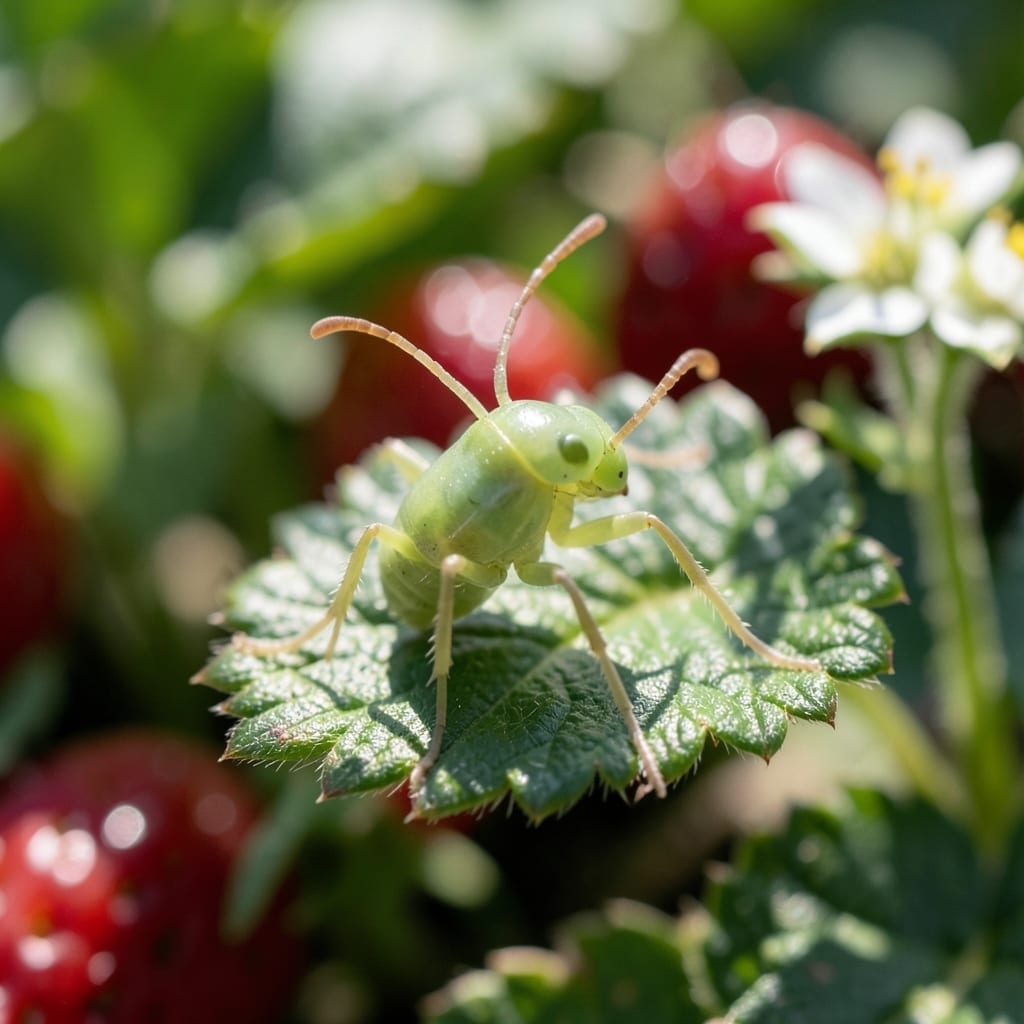
Bugs turning your strawberry patch into their personal buffet? I’ve been there—watching plump berries get riddled overnight is heartbreaking. The good news is you don’t need harsh chemicals to fight back.
Natural sprays like neem oil or insecticidal soap work wonders without harming your plants or the fruit. I’ve tested both on my own strawberries with great results, and the best part is they’re safe to use right up until harvest day.
Prevention is just as important as treatment. Simple habits like removing debris and using row covers can stop pests before they start. These methods keep your strawberries healthy and productive all season long.
Whether you’re dealing with aphids, slugs, or beetles, there’s a natural solution. Here’s how to protect your berries the safe way.
Strawberries are a magnet for pests due to their sweet scent, soft texture, and nutrient-rich composition. Understanding why bugs are drawn to your plants is the first step in effective, targeted control. Below are the primary causes, broken down by scientific and environmental factors.
Strawberries emit volatile organic compounds (VOCs) like methyl butanoate and linalool, which attract insects such as aphids, fruit flies, and beetles. The high sugar content in ripe berries—especially fructose and glucose—further lures pests like Drosophila melanogaster (fruit flies) and Spodoptera species (armyworms). The stronger the scent, the more likely bugs will swarm your crop.
Strawberries retain up to 90% water, making them a prime target for moisture-seeking pests. Soft-bodied insects like slugs, snails, and spider mites thrive in damp environments. Overwatering or poor drainage exacerbates this, creating a breeding ground for fungi (e.g., Botrytis cinerea) that also attract secondary pests like fungus gnats.
The leaves and stems of strawberry plants are packed with nitrogen, a key nutrient for pests like Myzus persicae (green peach aphids). These insects pierce plant tissues to feed on sap, weakening the plant and leaving it vulnerable to viral infections. Additionally, the tender new growth is an easy target for chewers like Otiorhynchus sulcatus (black vine weevil).
Strawberry plants, especially in containers, create warm, humid microclimates that pests adore. The dense foliage traps heat and moisture, ideal for spider mites and thrips. Containers also limit natural predators (e.g., ladybugs), allowing pest populations to explode unchecked. Mulch or debris around the base can provide additional hiding spots for slugs and earwigs.
Keeping bugs off your strawberries doesn’t have to mean harsh chemicals. Here are proven, natural solutions to tackle common pests while protecting your harvest.
Mix 1 tablespoon of mild liquid soap (like Castile) with 1 quart of water and spray directly on leaves and stems. The soap disrupts their cell membranes, eliminating them without harming plants. Prevention tip: 💡 Encourage ladybugs—they love eating aphids!
Dilute 1 tablespoon of neem oil in 1 gallon of water and add a few drops of dish soap to help it stick. Spray evenly on both sides of leaves, focusing on undersides where mites hide. Reapply every 5–7 days until gone. Prevention tip: 🌡️ Keep foliage dry—mites thrive in humidity.
Bury a shallow dish filled with beer at soil level. Slugs are attracted to the yeast, fall in, and drown. Refresh the beer every 2–3 days. Prevention tip: ✨ Use copper tape around containers—slugs dislike the reaction it causes.
Hang yellow sticky traps near plants to catch adults. For larvae, spray with a 50/50 water-vinegar mix (test on a small area first). Prevention tip: 🎯 Plant companion herbs like basil or mint—their strong scents repel whiteflies.
Pro tip: Always spray in the early morning or late evening to avoid harming pollinators like bees!
Yes, neem oil is completely safe when used correctly. Always dilute 1 tablespoon in 1 gallon of water and spray in the evening to avoid harming beneficial insects. It breaks down quickly, so reapply every 5-7 days as needed.
Use the soapy spray every 4-5 days or after rain, as it washes off easily. Focus on the undersides of leaves where pests hide. Stop applications once the infestation clears to avoid residue buildup.
White residue usually means the spray wasn’t diluted enough. Rinse plants with clean water immediately. Next time, use 1 teaspoon of soap per quart of water and test on a small area first.