
Beautiful Plants For Your Interior
Beautiful Plants For Your Interior
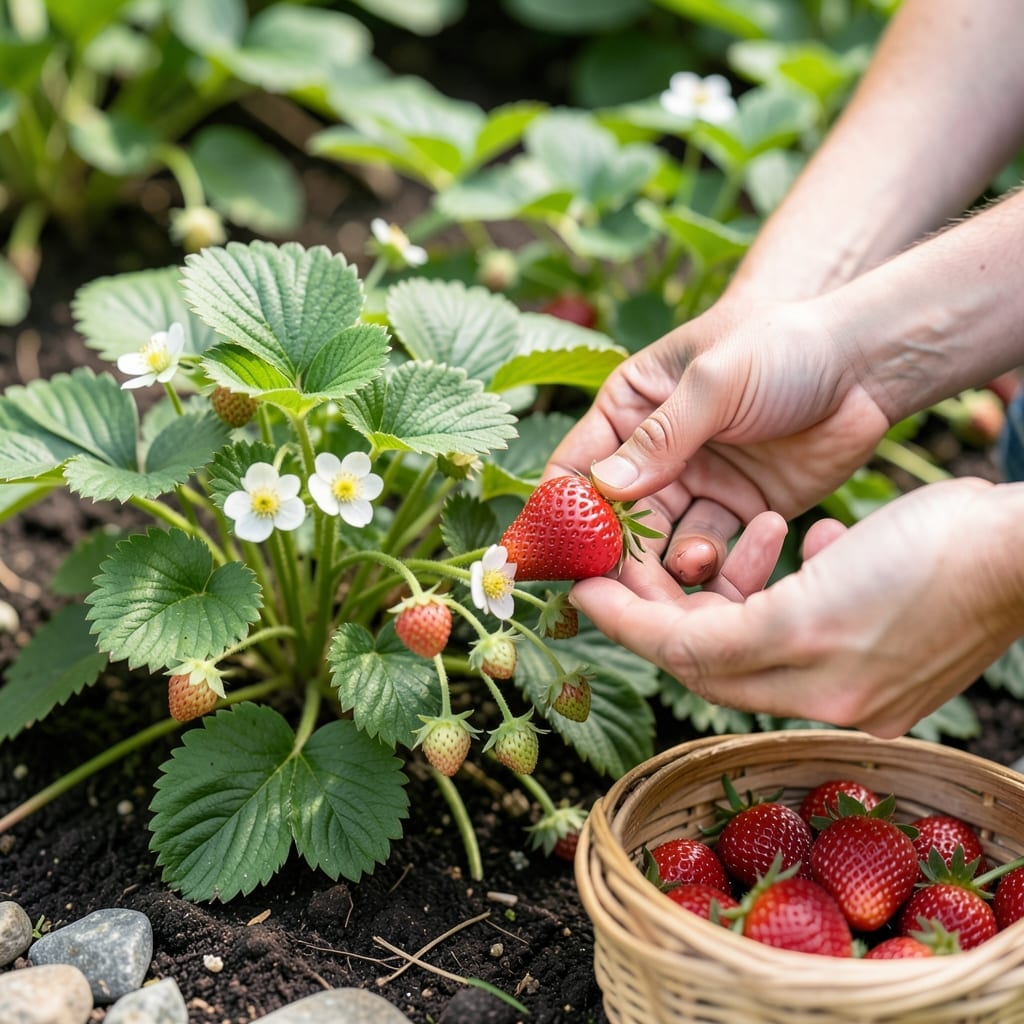
Picking strawberries at the perfect moment ensures the sweetest, juiciest flavor. Nothing beats biting into a sun-warmed 🍓 Strawberry you’ve nurtured from plant to harvest.
Yet timing it wrong can leave you with tart, underripe berries that don’t do justice to your hard work. The difference between a lackluster bite and a burst of summer sweetness often comes down to knowing the visual cues.
From color to texture, there are clear signs that tell you your Strawberry is ready. I’ll walk you through what to look for so you never second-guess again.
Discover how to spot peak ripeness and make the most of your harvest season. Your taste buds will thank you.
I’ve learned that the perfect strawberry reveals itself through clear visual signals. The most obvious is color transformation—a deep, uniform red from tip to stem with no white or green patches remaining.
Texture matters just as much. A ripe strawberry will feel slightly soft when gently pressed, but not mushy. The calyx (green cap) should look fresh and perky, not wilted or browned.
🌱 Strawberry Ripeness Indicators
| Sign | Ripe | Not Ripe |
|---|---|---|
| Color | Uniform bright red | Green/white patches |
| Texture | Slightly soft to touch | Firm and hard |
| Stem Attachment | Detaches easily | Difficult to separate |
| Aroma | Sweet fragrance | No noticeable scent |
The size of your strawberries also gives clues. While size varies by strawberry variety, most reach full size before ripening begins. June-bearing types often grow larger than ever-bearing varieties.
I always check the underside of the berry too. If it’s still white or pale, the strawberry needs more time on the plant. A fully ripe berry will be red all the way around.
Another pro tip: taste test one or two berries from different plants. This helps confirm that the entire patch is ready. Remember, strawberries don’t ripen after picking, so timing is everything.
The calyx condition is often overlooked. A fresh, vibrant green cap signals peak ripeness, while a brown or wilted one might indicate overripeness or plant stress.
I’ve found that morning harvesting gives the firmest berries, as they’re still cool from the night. This also helps them last longer after picking.
Consistent checking is key, as strawberries can go from underripe to overripe in just 24-48 hours during warm weather. Make it a daily habit during harvest season.
By mastering these visual cues, you’ll enjoy the sweetest, most flavorful strawberries your garden can produce. Your plants will thank you with a bountiful harvest 🌿
The best time to pick strawberries is early morning when temperatures are cool and the berries are firm. This timing helps preserve their texture and flavor. I always aim for just after the dew has dried but before the heat of the day sets in
Late afternoon can also work, but the fruit may be softer and more prone to bruising. Avoid harvesting during the hottest part of the day, as the berries can become overly soft and lose their freshness quickly
Harvest strawberries in the early morning for the best texture and flavor. Avoid picking during peak heat to prevent soft, overripe berries.
Seasonally, spring and early summer are prime for strawberry harvesting in most regions. In cooler climates, the first ripe berries appear in late May or early June. Warmer areas may see earlier harvests, starting in April
Watch for consistent warm days and cool nights, which signal that the plants are actively producing fruit. If a late frost is forecasted, delay harvesting until the weather stabilizes to protect the berries
I’ve found that strawberries ripen in waves, so check your plants every 2-3 days during peak season. This ensures you catch each berry at its perfect moment without missing any
Finally, always use clean, sharp scissors or your fingernails to snip the stem, leaving a small portion attached to the berry. This method prevents damage to both the fruit and the plant
Consistent harvesting encourages the plant to produce more fruit throughout the season