
Beautiful Plants For Your Interior
Beautiful Plants For Your Interior
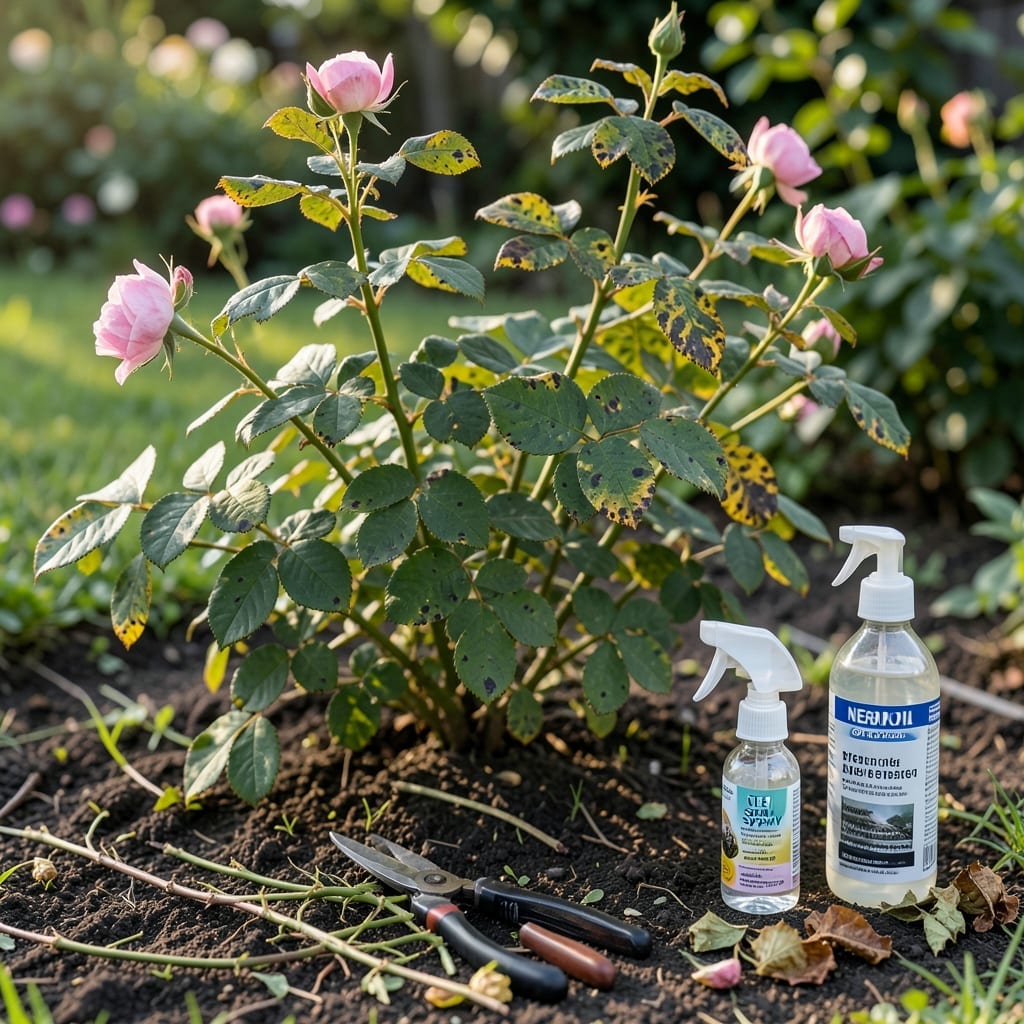
Black spot ruined my roses for three seasons straight. I tried everything until I discovered the simple fixes that actually stop the spread and prevent it from coming back.
This fungal disease thrives in wet, humid conditions, leaving those ugly dark splotches on leaves. The good news? You can treat it with items already in your pantry. Neem oil, baking soda, and even milk work surprisingly well.
Within 2-3 weeks, new growth emerges clean and healthy. The key is consistency—apply your chosen remedy every 7-10 days and remove infected leaves immediately.
Works for roses, tomatoes, and other susceptible plants. Here’s how to reclaim your garden.
Black spots on the skin can stem from several underlying causes, each tied to biological or environmental factors. Understanding these triggers is key to addressing the issue effectively.
Prolonged sun exposure triggers an overproduction of melanin, the pigment responsible for skin color. UV rays damage skin cells, prompting them to produce excess melanin as a defense mechanism. This leads to dark patches, often called sunspots or age spots, especially in areas frequently exposed to the sun like the face, hands, and shoulders.
Hormonal changes, particularly during pregnancy, menopause, or while taking birth control, can cause melasma. This condition appears as symmetrical, brown-to-gray patches, usually on the face. Estrogen and progesterone stimulate melanocytes (melanin-producing cells), leading to uneven pigmentation.
Skin trauma—such as acne, cuts, burns, or aggressive skincare treatments—can leave behind dark marks. When the skin heals, it sometimes overproduces melanin, resulting in flat, discolored areas. PIH is common in people with deeper skin tones and can linger for months or even years without proper care.
Harsh chemicals in skincare products, fragrances, or even certain fabrics can irritate the skin, triggering inflammation. Chronic irritation may lead to post-inflammatory hyperpigmentation or worsening of existing dark spots. Always patch-test new products to avoid adverse reactions.
Genetics play a role in how your skin responds to sun exposure and aging. Some people are naturally prone to hyperpigmentation. Additionally, as skin ages, cell turnover slows, and sun damage accumulates over time, making dark spots more noticeable.
Dealing with black spot can be frustrating, but these targeted solutions will help you tackle the problem at its root. Below, we break down fixes based on the most common causes—plus prevention tips to keep it from coming back.
If black spot is caused by a fungal infection (common in plants or skin), use neem oil or copper-based fungicides for plants. For skin, apply over-the-counter antifungal creams like clotrimazole. Prevention tip: 💡 Keep affected areas dry and improve air circulation.
Plants with black spot often suffer from crowded foliage. Prune infected leaves and space plants to allow airflow. Remove debris around the base to reduce moisture buildup. Prevention tip: ✨ Water at the base (not overhead) to keep leaves dry.
For skin black spots, switch to fragrance-free, non-comedogenic products. Use salicylic acid or niacinamide to lighten dark patches. Prevention tip: 🎯 Always patch-test new products and wear sunscreen daily.
Sun-induced black spots respond well to vitamin C serums or retinoids. Apply these at night and use SPF 30+ during the day. Prevention tip: 🌡️ Reapply sunscreen every 2 hours when outdoors.
Consistency is key—stick with your chosen remedy for at least 4-6 weeks to see results. If the issue persists, consult a dermatologist or plant specialist for tailored advice.
Yes! A baking soda spray works as a mild fungicide for plants. Mix 1 teaspoon baking soda with 1 quart water and a drop of dish soap. Apply weekly to leaves, but avoid using in direct sunlight to prevent burning.
For best results, reapply home remedies like neem oil or milk every 7-10 days. Chemical fungicides may require 14-day intervals. Always follow product instructions for frequency.
Recurrence usually means the fungus wasn’t fully eliminated. Remove all infected leaves and debris, improve airflow, and avoid overhead watering. Consistent treatment is key to breaking the cycle.
Apple cider vinegar can help due to its antifungal properties. Mix 2 tablespoons with 1 gallon water and spray on leaves. Test on a small area first, as vinegar can burn plants if too strong.