
Beautiful Plants For Your Interior
Beautiful Plants For Your Interior
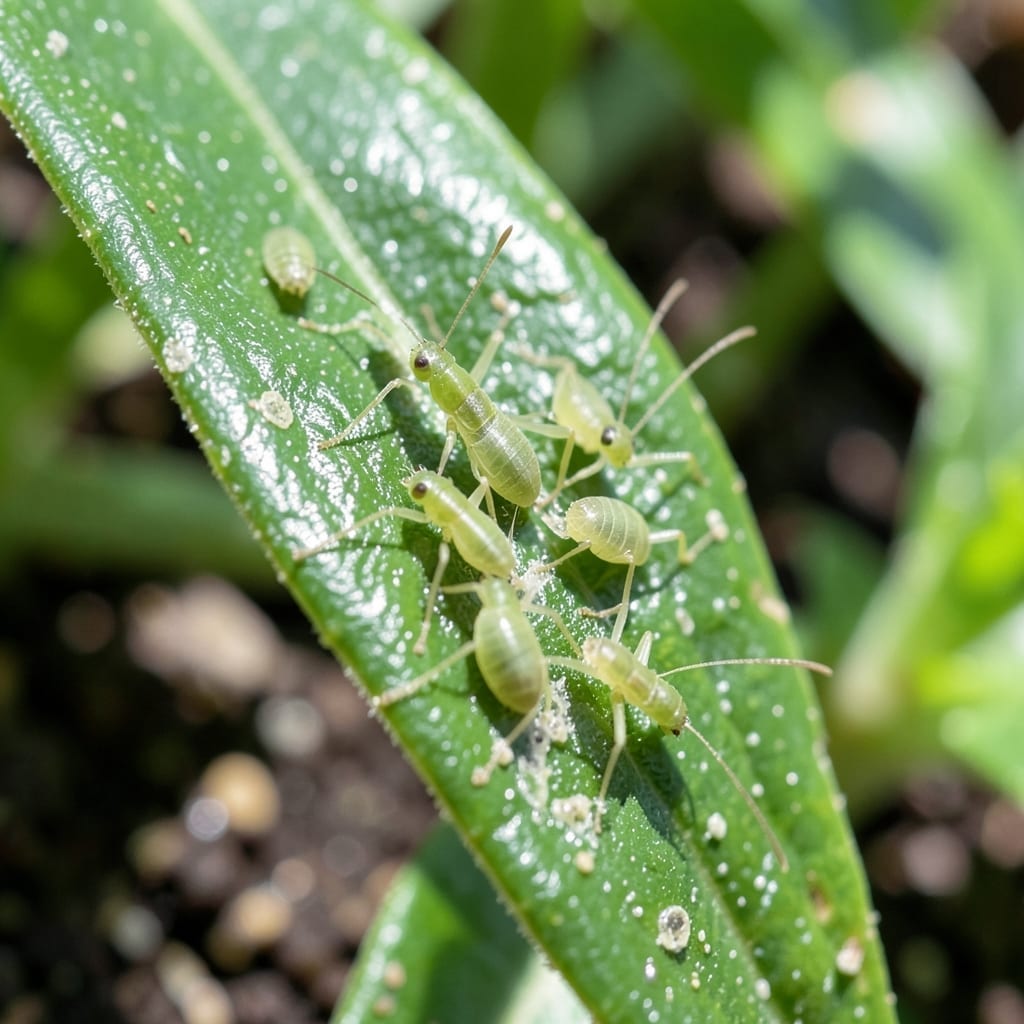
Tiny green specks on your leaves? Aphids strike fast and multiply faster. I’ve lost count of how many houseplants I’ve saved with a simple neem oil spray.
Here’s the thing—aphids don’t just damage plants, they spread disease. The key is catching them early before they take over. A weekly check of stems and new growth stops infestations before they start.
Neem oil works by disrupting their life cycle, not just killing on contact. You’ll see results within 24-48 hours and can prevent future outbreaks with regular applications.
Safe for most houseplants and won’t harm beneficial insects when used correctly. This method has saved my collection more times than I can count.
Aphids thrive on houseplants due to a mix of environmental and care-related factors. Understanding these causes helps you prevent future outbreaks and keep your plants healthy. Here’s why they appear:
Excess moisture creates the perfect breeding ground for aphids. Overwatered soil or stagnant water in saucers encourages fungal growth, which attracts these pests. Aphids also prefer the soft, succulent growth that results from too much water, making your plants an easy target.
Stagnant air traps humidity around your plants, creating a cozy environment for aphids. Crowded plants or poorly ventilated spaces limit airflow, allowing these pests to settle and multiply undisturbed. Regularly spacing out your plants and using a small fan can disrupt their lifecycle.
Aphids are drawn to the tender, nutrient-packed leaves and stems of new growth. Over-fertilizing, especially with nitrogen-heavy formulas, can produce an abundance of soft shoots that aphids adore. Balance your feeding schedule to avoid creating an aphid buffet.
These pests often hitch a ride indoors on new plants, fresh cut flowers, or even through open windows. Aphids can also be introduced via contaminated soil or gardening tools. Always inspect new additions to your plant collection and quarantine them for a few days to prevent infestations.
Tackling aphids on your houseplants doesn’t have to be a battle. Here’s how to solve the issue based on the cause, with simple, actionable steps:
Fix: Let the soil dry out between waterings and ensure pots have drainage holes. Repot plants in fresh, well-draining soil if root rot is suspected.
Prevention: Use a moisture meter or stick your finger an inch into the soil—if it’s dry, it’s time to water. 💡 Pro tip: Elevate pots on saucers with pebbles to avoid waterlogging.
Fix: Strengthen plants with a balanced, water-soluble fertilizer (diluted to half strength) to boost their natural defenses. Prune heavily infested leaves to redirect energy.
Prevention: Keep plants healthy with regular feeding (every 4-6 weeks in growing season) and proper light exposure.
Fix: Blast aphids off with a strong stream of water (lukewarm works best) to dislodge them. Follow up with a neem oil spray (1 tsp neem oil + 1 tsp dish soap + 1 quart water) applied to both sides of leaves. Repeat every 5-7 days until gone.
Prevention: Inspect new plants for pests before bringing them indoors. Quarantine them for 2-3 weeks to monitor for hitchhikers.
Fix: Increase humidity with a pebble tray or humidifier. Grouping plants together also raises local humidity.
Prevention: Mist plants lightly 2-3 times a week (avoid soaking leaves) or use a hygrometer to maintain 40-50% humidity.
Consistency is key—aphids thrive when plants are neglected. Stick to a care routine, and your leafy friends will thank you with vibrant, pest-free growth! ✨
Apply neem oil every 5-7 days until the infestation clears, then switch to monthly as prevention. Always spray in the evening to avoid leaf burn from sunlight.
A mild dish soap solution (1 tsp soap per quart of water) works well for light infestations. Spray directly on aphids, but rinse after 15-20 minutes to avoid residue.
Yes, eggs may survive initial treatments. Repeat applications for 2-3 weeks to break their life cycle. Isolate treated plants to prevent re-infestation.
Yes, but they’re best for outdoor use. For indoors, try 1-2 ladybugs per plant in a closed space. They’ll eat aphids quickly but may fly away.