
Beautiful Plants For Your Interior
Beautiful Plants For Your Interior
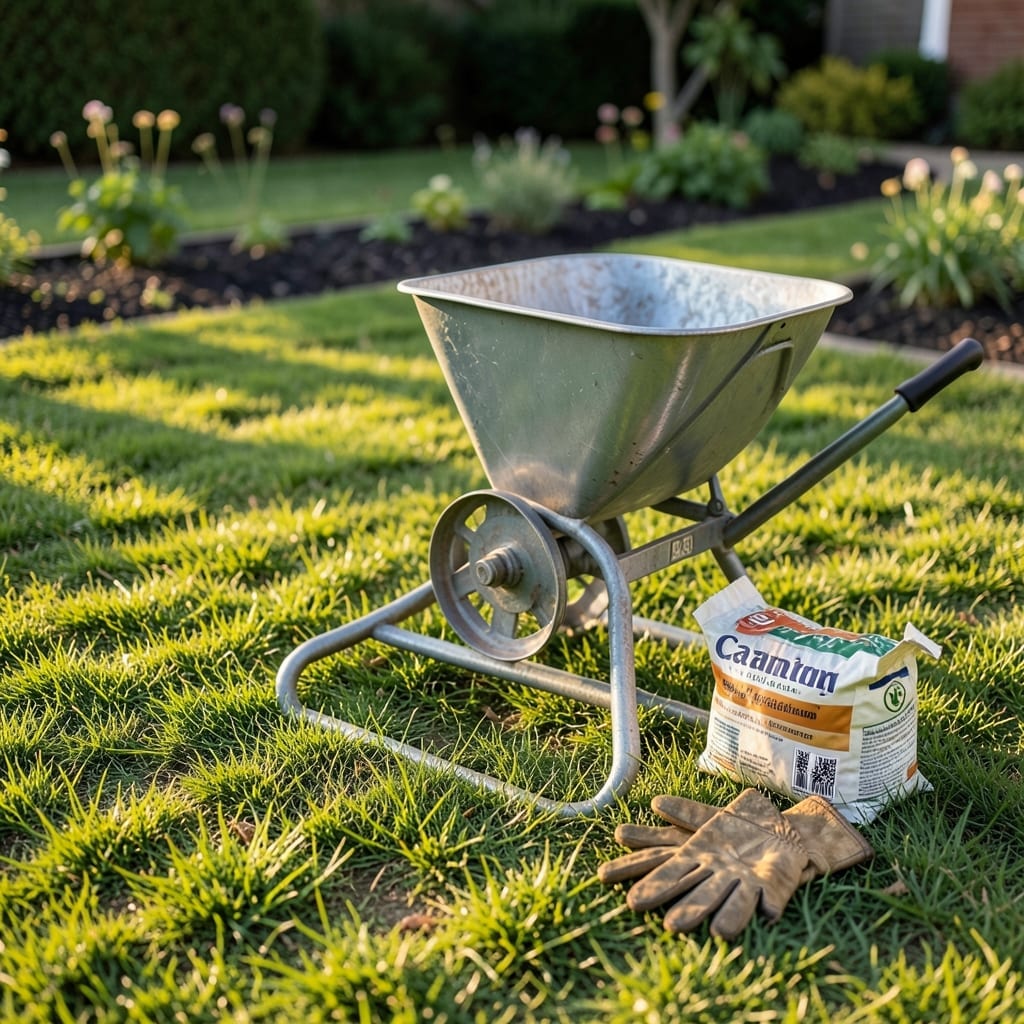
Yellow patches in your lawn don’t have to be permanent. I’ve fixed enough of them to know that most issues are simpler than they look—usually just water, nutrients, or a hidden pest causing trouble.
The fix often starts with checking your watering schedule. Too much or too little can stress grass fast. I’ve seen lawns bounce back in under 2 weeks once they get the right balance of moisture and care.
You’ll spot the difference quickly: fresh green growth filling in where yellow used to be. The key is addressing the root cause, not just the symptoms, so the problem doesn’t return next season.
Works for any lawn type, whether it’s new sod or established turf. Let’s get that grass looking uniform and healthy again.
Yellow spots in your lawn can be frustrating, but understanding the root causes helps you tackle them effectively. Here are the most common culprits:
Excess water suffocates grass roots by displacing oxygen in the soil, leading to root rot and yellowing. Poor drainage exacerbates this, creating waterlogged patches where grass can’t thrive.
During hot, dry periods, grass may turn yellow if it lacks sufficient moisture. Cool-season grasses (like Kentucky bluegrass) are especially vulnerable to heat stress, while warm-season grasses (like Bermuda) may brown if underwatered.
Fungi like brown patch or dollar spot thrive in humid, warm conditions, causing circular yellow or brown patches. These diseases often start small but spread rapidly if untreated.
Grubs, chinch bugs, and other pests feed on grass roots or blades, weakening the turf. White grubs (larvae of beetles) are a major offender, leaving yellow patches that peel back easily.
Lack of essential nutrients—particularly nitrogen, iron, or potassium—can cause yellowing. A soil test helps identify deficiencies, guiding targeted fertilization.
Dog urine (high in nitrogen) or spilled chemicals (like gasoline or herbicides) can burn grass, creating localized yellow spots. These often appear suddenly and in distinct patterns.
Yellow spots in your lawn can be frustrating, but they’re often fixable with the right approach. Below are targeted solutions for common causes, along with prevention tips to keep your turf vibrant and healthy.
If your lawn is underwatered, give it a deep soak (about 1-1.5 inches of water) early in the morning to reduce evaporation. For overwatered spots, cut back and let the soil dry slightly between waterings. Prevention tip: Use a rain gauge or moisture meter 💡 to track water levels accurately.
Apply a balanced fertilizer (e.g., 10-10-10) to replenish missing nutrients like nitrogen, phosphorus, or potassium. For iron deficiencies, use a chelated iron supplement. Prevention tip: Test your soil annually ✨ and fertilize seasonally to maintain nutrient balance.
For grubs or insects, use a targeted pesticide or natural remedy like nematodes. Fungal issues (e.g., brown patch) may require a fungicide. Prevention tip: Aerate your lawn 🎯 annually to improve drainage and reduce disease risk.
Rinse urine spots immediately with water to dilute the nitrogen. For compacted areas, loosen the soil and overseed. Prevention tip: Train pets to use a designated area and avoid high-traffic paths ⏰.
Water deeply in the early morning and provide temporary shade (e.g., shade cloth) during extreme heat. Prevention tip: Choose heat-tolerant grass varieties 🌡️ for long-term resilience.
With proper care, most lawns show improvement in 1-2 weeks. Minor issues like drought stress may bounce back faster, while pest damage or disease could take 3-4 weeks for full recovery. Consistency is key!
Yes! Too much fertilizer burns grass roots, creating yellow or brown spots. Always follow package instructions and water thoroughly after applying. A soil test helps avoid overdoing it.
Early morning (6-10 AM) is ideal. This reduces evaporation and fungal risks. Avoid evening watering, which can promote disease. Aim for 1-1.5 inches per week.
Fungal spots often have a circular pattern with a darker ring. Pests like grubs leave patches that pull up easily, revealing damaged roots. Check for slimy residue (fungus) or visible insects.