
Beautiful Plants For Your Interior
Beautiful Plants For Your Interior
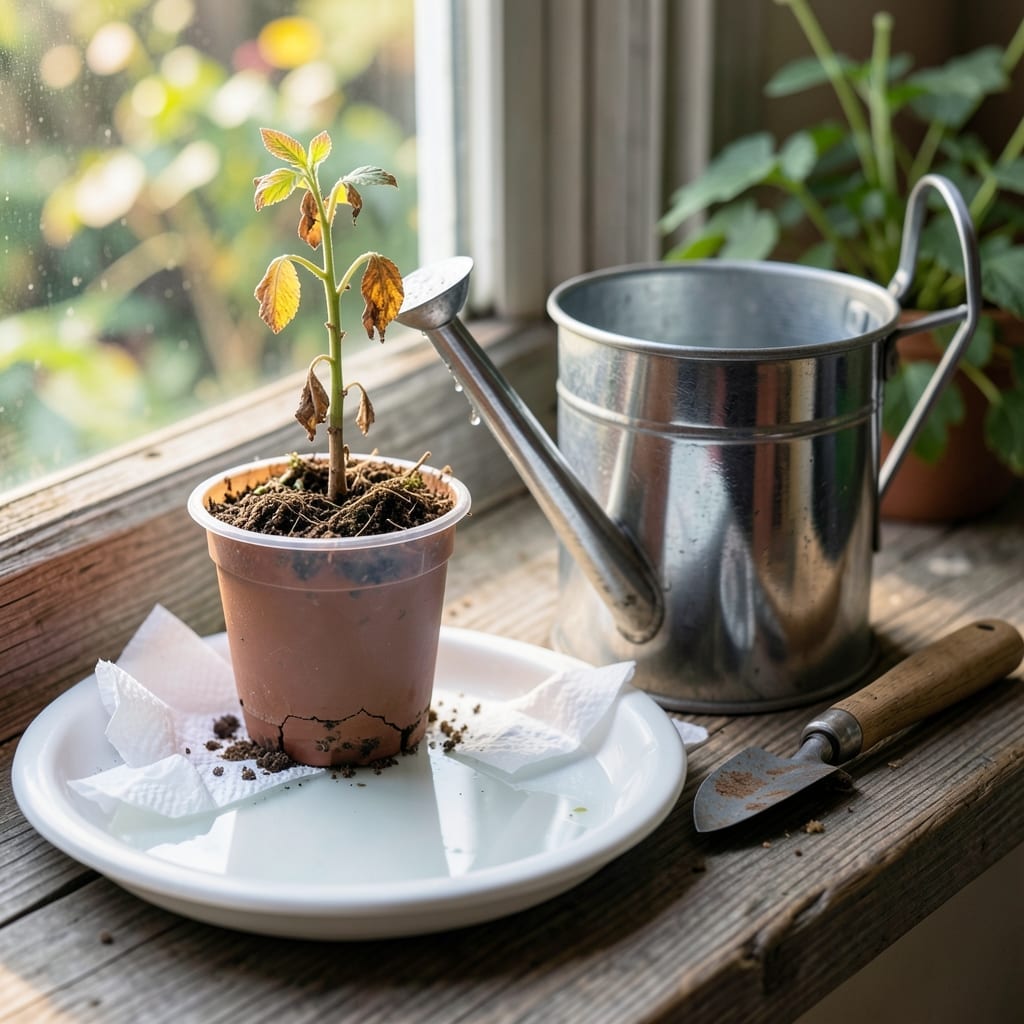
Yellow leaves and soggy soil hit me hard last spring. I watched a tray of seedlings turn from hopeful to hopeless in 48 hours, all because I couldn’t resist watering them “just a little more.”
The fix isn’t complicated—stop watering immediately, then adjust the soil to let roots breathe again. Most gardeners don’t realize overwatering suffocates roots faster than drought does. You’re basically drowning your plants.
What you need: a fan for airflow, a chopstick to check moisture, and the willpower to walk away from the watering can. Recovery starts within 2-3 days if you act fast.
Works for tomatoes, peppers, herbs—any seedling showing wilting with wet soil. Here’s how to save them before it’s too late.
Overwatering seedlings is a common mistake, but understanding why it happens can help you avoid it. Here are the most frequent causes, broken down scientifically:
When soil lacks proper drainage, water pools around the roots instead of flowing through. This suffocates the roots by displacing oxygen in the soil pores, leading to hypoxia (low oxygen levels). Seedlings need a balance of water and air in the root zone—compacted or clay-heavy soils prevent this.
Many gardeners assume seedlings need constant moisture, but their small root systems can’t absorb excess water quickly. Overwatering disrupts the osmotic balance in root cells, causing them to burst or rot. A good rule: water only when the top inch of soil feels dry.
Containers without drainage holes trap water at the bottom, creating a waterlogged environment. Even with good soil, stagnant water promotes anaerobic bacteria and fungal growth (like Pythium), which attack tender seedling roots.
Cool temperatures slow evaporation, keeping soil soggy longer. High humidity (common in greenhouses or covered trays) also reduces water loss, increasing the risk of overwatering. Seedlings in these conditions need even more careful water management.
Overwatered seedlings can often be saved with quick, targeted actions. Here’s how to address the most common issues and restore their health:
If your seedling’s leaves are turning yellow, it’s likely suffering from oxygen deprivation. Stop watering immediately and move the pot to a well-ventilated area with indirect light. Gently remove the seedling from its soil and inspect the roots. Trim any mushy, brown roots with clean scissors, then repot in fresh, well-draining soil. Use a pot with drainage holes to prevent future waterlogging.
Prevention tip: 💡 Water only when the top inch of soil feels dry to the touch.
Wilting often signals root rot. Carefully take the seedling out of its container and check for black, slimy roots. Snip off the affected parts and soak the remaining healthy roots in a 1:10 hydrogen peroxide-to-water solution for 10 minutes to disinfect. Repot in dry, sterile soil and avoid watering for 2–3 days. Place it in a warm spot with gentle airflow to speed up recovery.
Prevention tip: ✨ Use a moisture meter to avoid guessing when to water.
A bad smell or visible mold means the soil is staying too wet. Remove the seedling and discard the old soil. Clean the pot with a bleach solution (1 part bleach to 9 parts water), rinse well, and refill with fresh, fast-draining mix (add perlite or sand for better aeration). Hold off on watering until the soil is completely dry.
Prevention tip: 🎯 Stick to a consistent watering schedule—early morning is best to allow excess moisture to evaporate during the day.
If your seedling isn’t growing, it may be struggling from compacted, soggy soil. Loosen the soil around the roots gently with a fork, and move the plant to a sunnier location. Reduce watering frequency and ensure the pot isn’t sitting in a saucer of water. A weak fertilizer solution (half-strength) can help revive it once it shows signs of recovery.
Prevention tip: 🌡️ Group plants together to create a microclimate with balanced humidity, reducing the need for excessive watering.
Most seedlings show improvement within 2-3 days if you stop watering and improve drainage. Severe cases with root rot may take up to 1 week to bounce back.
Yes, if the soil stays soggy or smells bad. Use fresh, well-draining mix and a clean pot with drainage holes. This prevents further root damage.
A gentle fan on low setting speeds up evaporation without harming the plant. Keep it at least 2 feet away to avoid stressing the seedling.
Use a light mix with 50% potting soil and 50% perlite or sand. This improves drainage and aeration, reducing the risk of waterlogging.