
Beautiful Plants For Your Interior
Beautiful Plants For Your Interior
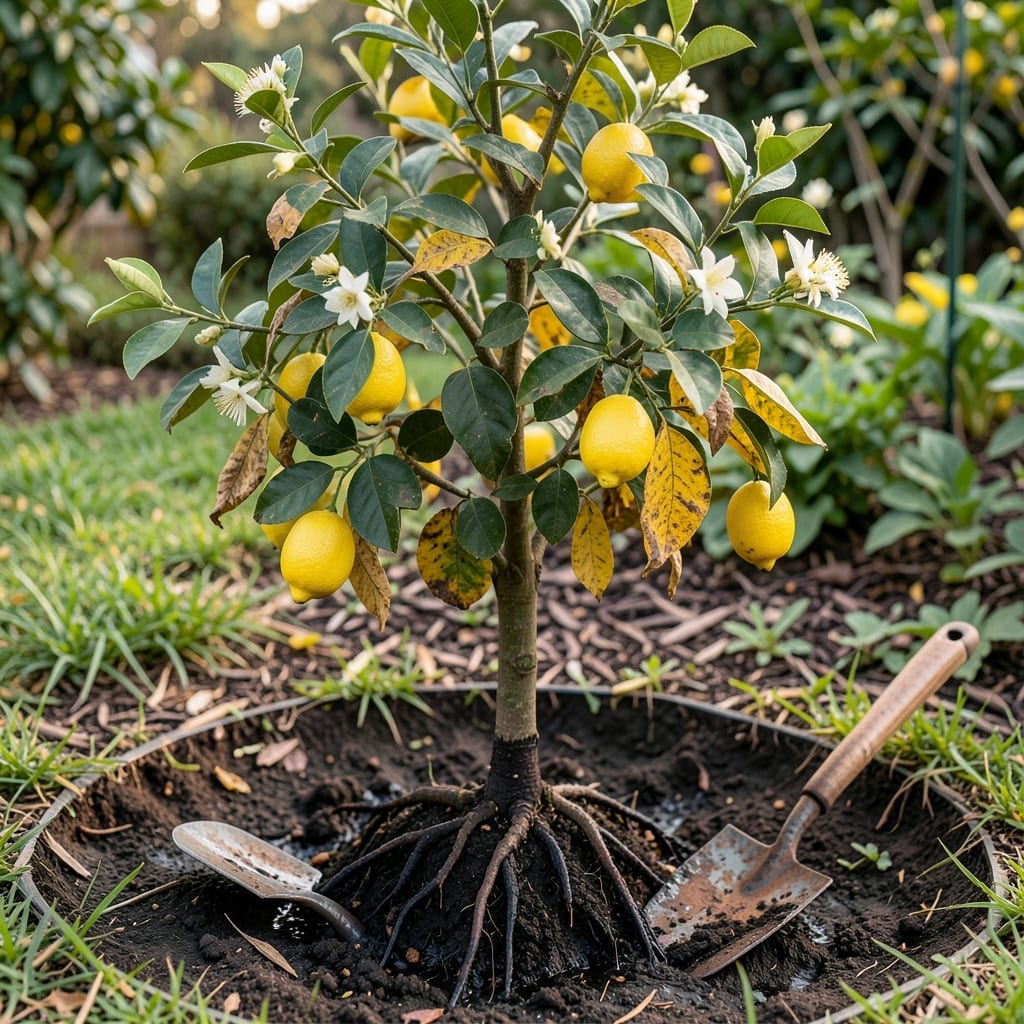
Yellow leaves and soggy soil spelled trouble for my Meyer lemon last month. The classic signs of overwatering hit fast—dropping leaves, soft stems, and that terrible smell of rot at the base.
Here’s the thing—lemon trees hate wet feet. The fix isn’t complicated: stop watering immediately, check the drainage, and let that soil dry out completely between waterings. I learned this the hard way after nearly losing mine.
You’ll see improvement within 1-2 weeks once the roots can breathe again. Prune any black, mushy roots with clean shears, and repot if the container lacks drainage holes. This saves most trees if you catch it early.
Prevention is simpler than the cure. Water only when the top 2-3 inches of soil are dry, and always use pots with drainage. No more guesswork.
Overwatering a lemon tree doesn’t just happen by accident—it’s often the result of a few common missteps. Understanding these causes can help you prevent future issues and keep your citrus thriving. Here’s why it happens:
Lemon trees hate wet feet. If the soil or container lacks proper drainage, water pools around the roots, suffocating them and preventing oxygen uptake. This is especially true in heavy clay soils or pots without drainage holes. Without a way for excess water to escape, the roots drown, leading to root rot and nutrient deficiencies.
Many gardeners assume lemon trees need frequent watering, but these drought-tolerant plants prefer deep, infrequent hydration. Watering too often—especially in cooler weather or humid climates—keeps the soil soggy. A good rule: check the top 2-3 inches of soil before watering. If it’s still moist, hold off!
Lemon trees thrive in well-draining, loamy soil. Dense or compacted soil (like pure clay) retains moisture for too long, while sandy soil drains too quickly, causing inconsistent hydration. Amending soil with perlite, sand, or organic matter can improve structure and prevent waterlogging.
Potted lemon trees in containers that are too large can lead to overwatering. Excess soil holds more moisture than the roots can absorb, increasing the risk of rot. Always choose a pot just slightly larger than the root ball and ensure it has drainage holes.
Overwatering can leave your lemon tree struggling, but these targeted fixes can help it bounce back. Address the root causes first, then adjust your care routine to prevent a repeat.
If leaves are turning yellow, your tree’s roots may be drowning. Stop watering immediately and check the soil. If it’s soggy, repot the tree in fresh, well-draining soil mixed with perlite or sand. Use a pot with drainage holes to let excess water escape. For in-ground trees, create a small mound of soil around the base to improve runoff.
Prevention tip: 💡 Water only when the top 1-2 inches of soil are dry. Stick your finger in the soil to test!
Wilting often signals root rot. Trim away black, mushy roots with sterilized pruning shears, then repot in clean soil. For mild cases, loosen the soil around the roots with a fork to improve oxygen flow. Avoid fertilizing until the tree recovers—it can stress the plant further.
Prevention tip: ✨ Use a moisture meter to avoid guesswork. Lemon trees prefer slightly dry conditions over soggy soil.
White mold or a foul smell means fungal growth. Remove affected soil and treat the roots with a fungicide (copper-based works well). Move the tree to a sunnier spot to speed up drying. If potted, place it in a breezy area to reduce humidity.
Prevention tip: 🌡️ Ensure good airflow around the tree and avoid watering late in the day.
If the soil stays wet for days, it’s time to rethink your routine. Switch to deep, infrequent watering—soak the soil, then let it dry out before the next session. For container trees, elevate the pot to prevent water pooling underneath.
Prevention tip: 🎯 Use a self-watering pot with a reservoir or set a reminder to check soil moisture weekly.
Most trees show improvement within 1-2 weeks after fixing drainage and stopping water. Severe cases with root rot may take 3-4 weeks to bounce back fully.
Avoid fertilizing for at least 2-3 weeks after recovery begins. Fertilizer can stress already weakened roots. Wait until you see new growth.
Yes, if caught early. Trim all affected roots with clean shears, repot in fresh soil, and reduce watering. The healthier the remaining roots, the better the chances.
Water only when the top 2-3 inches of soil are dry. This usually means every 7-10 days in warm weather, less in cooler months.