
Beautiful Plants For Your Interior
Beautiful Plants For Your Interior
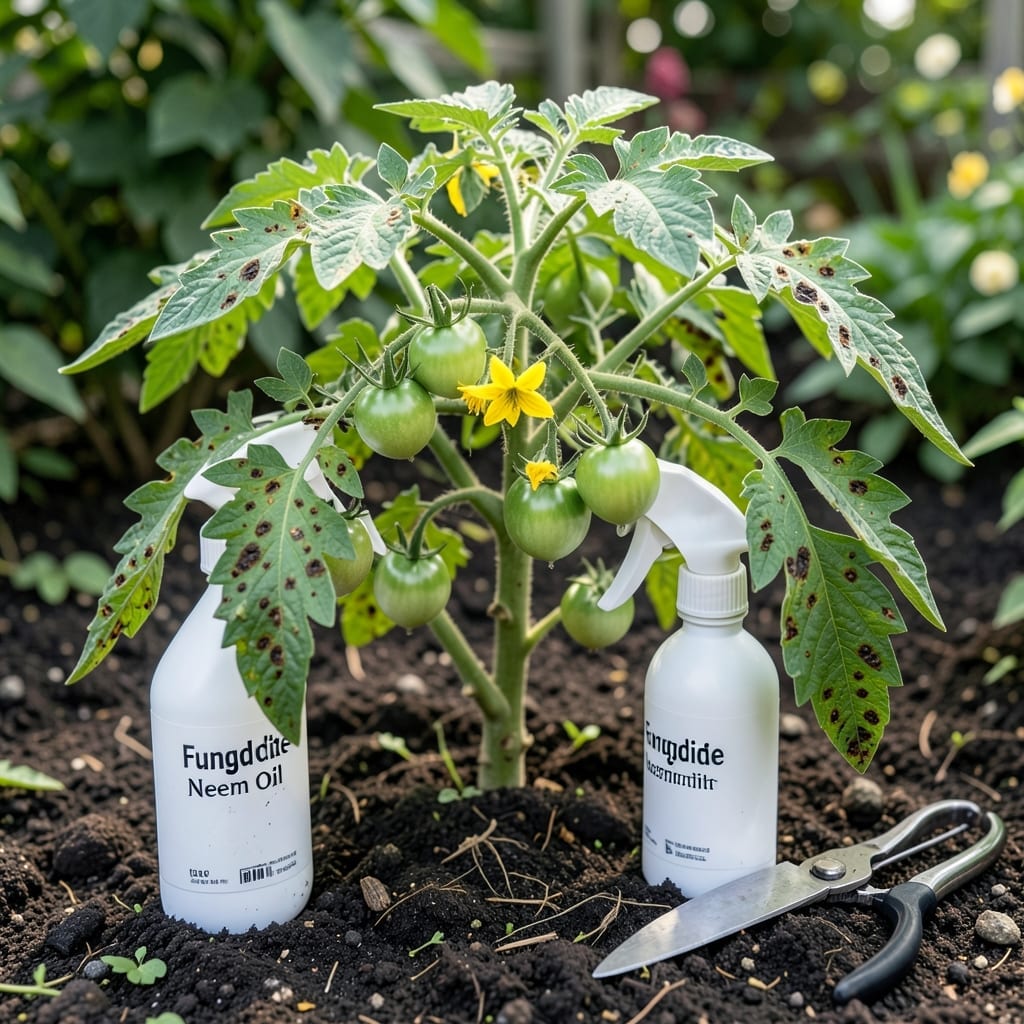
Dark spots on your leaves mean trouble is brewing. Leaf spot spreads fast, but I’ve stopped outbreaks in their tracks with simple, organic fixes that restore plant health without harsh chemicals.
Most gardeners miss the early signs—yellow halos, tiny brown dots, or black speckles. Catching it early makes all the difference. I learned this the hard way after losing half my tomato plants one summer.
You’ll see improvement within 3-5 days of treatment. The key is removing infected leaves first, then applying the right organic spray to prevent further spread.
Works for roses, tomatoes, and most ornamentals. Here’s the foolproof method I use every time.
Leaf spot diseases are a common frustration for gardeners, but understanding the root causes can help you prevent and manage them effectively. Below are the primary reasons why leaf spot occurs, each with a clear explanation to guide your action plan.
Most leaf spot cases are caused by fungal pathogens like Alternaria, Septoria, or Cercospora. These fungi thrive in wet, humid conditions and spread via spores in water splashes, wind, or contaminated tools. Overhead watering and poor air circulation create the perfect breeding ground for these organisms.
Bacteria such as Pseudomonas syringae or Xanthomonas can also trigger leaf spot. They enter plant tissues through wounds or stomata (tiny pores on leaves) and multiply rapidly in warm, moist environments. Unlike fungal spots, bacterial spots often appear water-soaked or have a yellow halo.
While not directly infectious, environmental stressors like drought, nutrient deficiencies, or excessive heat can weaken plants, making them more susceptible to secondary infections. For example, calcium or potassium deficiencies compromise cell wall integrity, inviting pathogens.
Insects such as aphids, mites, or leafhoppers can physically damage leaves, creating entry points for fungi and bacteria. Their feeding also stresses plants, reducing their natural defenses. Check the undersides of leaves for tiny bugs or webbing if spots appear alongside pest activity.
Leaf spot can be frustrating, but with the right approach, your plants can bounce back quickly. Here’s how to tackle the most common causes and restore your foliage to its vibrant best. 🌿
If soggy soil is the culprit, start by letting the top inch of soil dry out before watering again. Repot plants in well-draining soil mixed with perlite or sand, and ensure pots have drainage holes. Water at the base in the morning to give leaves time to dry. Prevention tip: Use a moisture meter to avoid guesswork. 💡
For fungal leaf spot, remove infected leaves immediately to prevent spread. Spray the plant with neem oil or a baking soda solution (1 tsp baking soda + 1 quart water + a few drops of dish soap). Repeat every 7–10 days until symptoms vanish. Prevention tip: Space plants for airflow and avoid overhead watering. 🌬️
If pests like aphids or mites are causing spots, blast them off with water or apply insecticidal soap. For stubborn infestations, introduce beneficial insects like ladybugs. Prevention tip: Regularly inspect leaves (especially undersides) for early signs of pests. 🔍
If leaf spot stems from too much sun, heat, or humidity, move the plant to a shadier or more stable environment. Wipe leaves gently with a damp cloth to remove dust that can block sunlight. Prevention tip: Group plants with similar needs to maintain consistent conditions. ✨
With these targeted fixes and a little patience, your plants will be spot-free and thriving in no time!
You’ll typically see improvement within 3-5 days of treatment. Remove infected leaves first, then apply your chosen spray. Consistency is key—repeat applications every 7-10 days until all signs disappear.
Yes, but organic options like neem oil are safer for beneficial insects and the environment. If using chemicals, follow label instructions carefully and avoid applying during hot weather.
Improve air circulation by spacing plants properly. Water at the base in the morning so leaves dry quickly. Clean tools regularly and remove fallen debris to eliminate hiding spots for pathogens.