
Beautiful Plants For Your Interior
Beautiful Plants For Your Interior
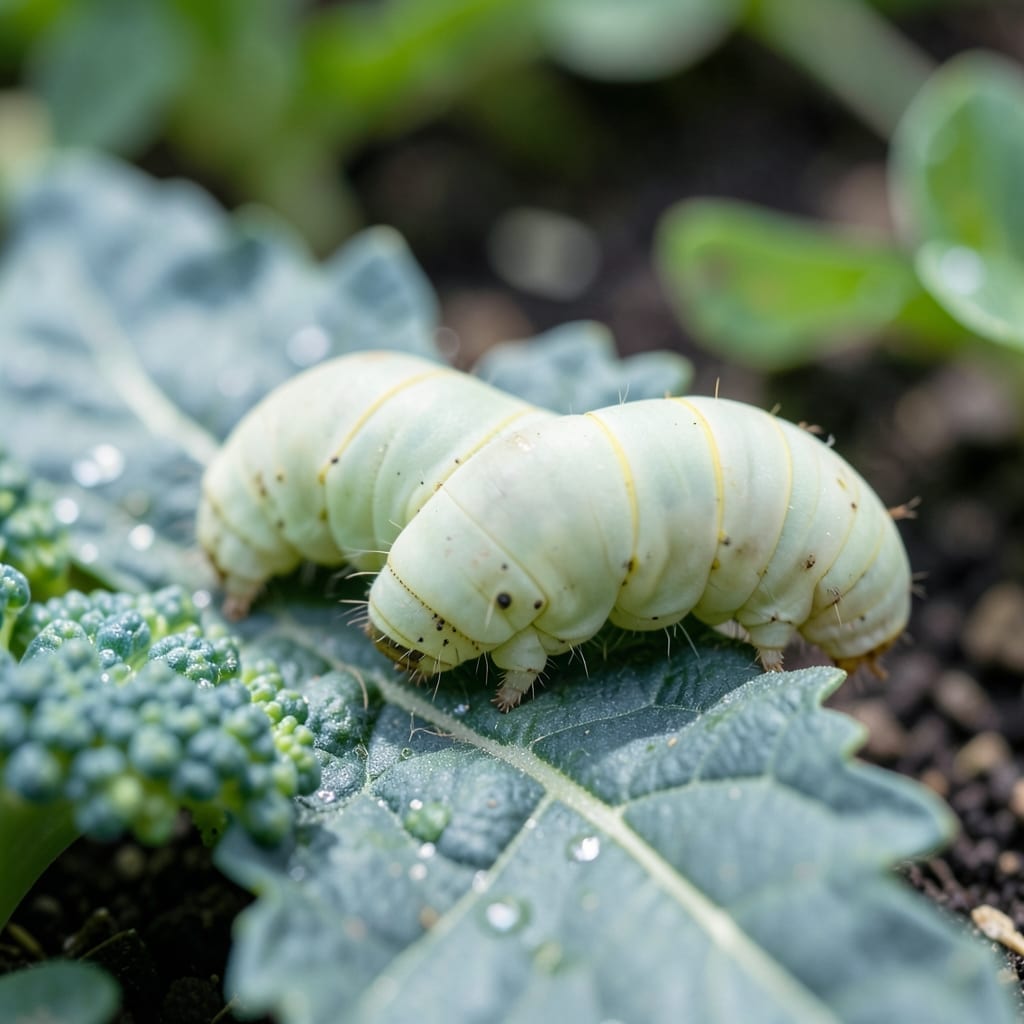
Broccoli worms hit different when you’ve nurtured plants from seed. My first infestation taught me these pests move fast, but you can reclaim your harvest with the right approach.
Spotting the early signs—tiny holes in leaves, white eggs on stems—saves most of your crop. The solution isn’t complicated: a mix of vigilance, organic treatments, and smart prevention keeps plants healthy and productive.
I now check plants daily during warm spells, using simple methods that work without harsh chemicals. The difference between panic and control is knowing what to look for and when to act.
Outdoor growing means sharing your garden, but it doesn’t mean sharing your broccoli. Here’s how to protect your plants and still enjoy the harvest.
Broccoli worms, often the larvae of cabbage moths or butterflies, infest your veggies for specific biological and environmental reasons. Understanding these causes helps you prevent future issues. Here’s why it happens:
Female cabbage moths (Plutella xylostella) or white butterflies (Pieris rapae) lay tiny eggs on broccoli leaves. These eggs hatch into worms that feed on the plant. This is part of their natural reproductive cycle, and home gardens or farms are prime targets because broccoli is a host plant.
Broccoli belongs to the Brassicaceae family, which includes cabbage, kale, and cauliflower. These plants emit volatile organic compounds (VOCs) that signal moths and butterflies to lay eggs. The worms then thrive on the nutrient-rich leaves, stems, and florets.
Warm weather (60–80°F) and high humidity create the ideal environment for egg-laying and larval growth. Standing water or overly damp soil can also encourage infestations, as moisture supports the worms’ survival.
Without proper prevention, these factors combine to turn your broccoli into a worm nursery!
Dealing with broccoli worms can be frustrating, but these practical solutions will help you remove them safely and prevent future infestations.
If you spot worms on the surface, fill a large bowl with cold water and add 1-2 tablespoons of salt. Submerge the broccoli florets for 10-15 minutes. The worms will float to the top, making them easy to skim off with a slotted spoon. Rinse the broccoli thoroughly afterward.
For worms hidden in the florets, mix 1 cup of white vinegar or 1 tablespoon of baking soda with 4 cups of water. Soak the broccoli for 5-10 minutes, then scrub gently with a soft brush. This helps dislodge pests from crevices. Rinse well to remove any residue.
If the infestation is severe, trim off the affected areas with a sharp knife. Focus on the stems and dense floret clusters, as these are common hiding spots. Discard any heavily damaged portions to ensure safety.
With these steps, you can enjoy clean, worm-free broccoli every time! 🌟
Use a salt water soak with 1-2 tablespoons of salt in cold water. Submerge florets for 10-15 minutes—worms will float to the surface for easy removal.
Yes, if you’ve thoroughly cleaned it. Trim affected areas, soak in vinegar or baking soda solution, and rinse well. Cooking also kills any remaining pests.
Store in a sealed container in the fridge and wash before storing. Check for eggs or larvae when buying to stop infestations early.