
Beautiful Plants For Your Interior
Beautiful Plants For Your Interior
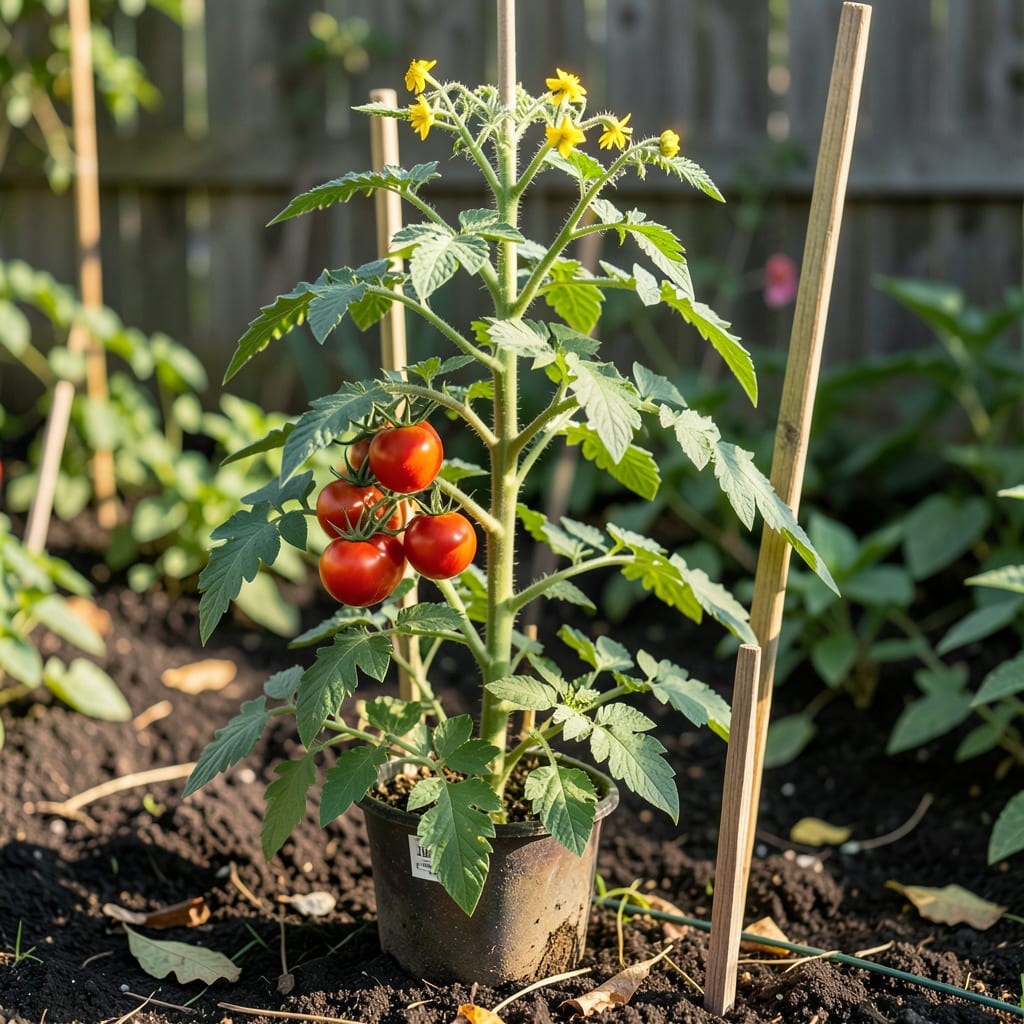
When growing Tomato 🍅 plants, determining the right height is crucial for a bountiful harvest. Too short, and you risk reduced yields; too tall, and structural damage becomes a concern.
In USDA zone 6a, finding the sweet spot is key. Let’s explore the factors that influence ideal Tomato plant height and how to achieve it for maximum yield.


When growing tomato plants, determining the ideal height is crucial for maximizing yield and preventing structural damage. The optimal height depends on several factors, including the variety of tomato, the support system used, and the growing conditions.
I consider the variety of tomato plant first when deciding on height. Different varieties have different growth habits – some are determinate, meaning they grow to a certain height and then stop, while others are indeterminate, continuing to grow throughout the season. 🌱
The support system used for tomato plants also plays a significant role in determining their height. For example, plants grown with a trellis can grow taller than those supported by stakes or cages. I recommend choosing a support system that matches your desired plant height and growing style.
Growing conditions, including sunlight, soil quality, and climate, also impact the ideal height of tomato plants. Plants grown in optimal conditions with full sun and well-draining soil tend to grow more vigorously and may require more pruning to maintain a desired height. 🌟
To achieve the optimal height for your tomato plants, it’s essential to understand how these factors interact. By considering the variety, support system, and growing conditions, you can make informed decisions about pruning and training your plants.
I always start by assessing the variety of tomato plant I’m growing. If it’s an indeterminate variety, I’ll plan for a taller support system and more frequent pruning.
For plants grown in USDA zone 6a, like mine, the average frost-free days are around 180 days. This allows for a relatively long growing season, which can impact how tall I let my tomato plants grow.
The ideal planting time for tomatoes in zone 6a is typically in March or April, after the last frost. This timing helps ensure that the plants have enough time to mature before the first frost in October.
When it comes to fertilization, I feed my tomato plants with a balanced fertilizer (10-10-10 NPK) every 4-6 weeks. This promotes healthy growth and fruit production.
Watering is also crucial for tomato plants. I water mine every 2-3 days, providing about 1-2 gallons of water per plant. This consistent moisture helps prevent stress and promotes healthy growth.
By understanding these factors and how they impact tomato plant height, you can make informed decisions to achieve a bountiful harvest. Whether you’re growing determinate or indeterminate varieties, the right combination of support and care will help you succeed.
In my experience, the key to successful tomato cultivation is finding the right balance between allowing plants to grow tall enough for maximum yield while preventing them from becoming too unwieldy. With the right variety, support system, and growing conditions, you can enjoy a healthy and productive tomato harvest.
When it comes to controlling the height of tomato plants, pruning is a crucial technique. By pruning your plants regularly, you can encourage bushy growth, prevent excessive height, and promote fruiting. I always start by removing lower leaves to prevent soil-borne diseases from splashing up onto the plant.
There are several pruning techniques you can use to control tomato plant height. One effective method is topping, which involves removing the top growth to encourage branching. This helps to create a more bushy plant that is less likely to become too tall. 🌿
Remove lower leaves to prevent soil-borne diseases
Remove top growth to encourage branching and control height
Remove weak or spindly growth to promote healthy development
In addition to pruning, training your tomato plants can also help control their height. Using trellises or cages can provide support for indeterminate varieties and keep them upright. I find that using a combination of pruning and training techniques helps me achieve the perfect balance between height and fruit production.
For indeterminate tomato varieties, it’s essential to provide support as they grow. I use tall trellises or cages to keep the plants upright and encourage vertical growth. This helps to maximize space and promote healthy fruiting.
When pruning and training your tomato plants, it’s crucial to monitor their response and adjust your techniques accordingly. By paying attention to how your plants are growing, you can make informed decisions about how to optimize their height and promote a bountiful harvest. 🌟
I recommend keeping a close eye on your plants’ growth and adjusting your pruning and training schedule as needed. With regular maintenance and attention, you can enjoy a healthy and productive tomato harvest.
By mastering these pruning techniques and combining them with proper support systems, you can successfully control the height of your tomato plants and enjoy a bountiful harvest.
When growing tomato plants, their height can significantly impact their health and productivity. Letting them grow too tall or too short can have various consequences that every gardener should be aware of.
I always consider the potential risks and benefits associated with different heights. For instance, taller plants can be more prone to structural damage from wind or their own weight, while shorter plants might have reduced yields due to less fruiting.
One of the main consequences of letting tomato plants grow too tall is the risk of structural damage. Tall plants can become top-heavy, making them more susceptible to breaking or lodging, especially in windy conditions.
On the other hand, plants that are too short may not produce as much fruit, as they have fewer flowering branches. This can result in a lower overall yield, which is a disappointment for any gardener.
To mitigate these risks, I recommend monitoring your plants’ height and adjusting your pruning and training techniques accordingly. By finding the right balance, you can promote healthy growth and maximize your tomato harvest.
In my experience, understanding the consequences of different heights is crucial for successful tomato cultivation. By being aware of the potential risks and benefits, you can make informed decisions to achieve a bountiful harvest.
By considering factors like variety, support systems, and growing conditions, you can optimize your tomato plants’ height for maximum yield and health. 🌟
Regular pruning and training can help you achieve the perfect balance between height and fruit production. With the right techniques and attention, you can enjoy a healthy and productive tomato harvest.
For indeterminate varieties, the ideal height is typically between 6-10 feet tall, depending on the support system used. Prune regularly to encourage vertical growth and prevent the plant from becoming too unwieldy. Regular pruning also helps promote fruiting and prevents disease.
Prune your tomato plants every 1-2 weeks during the growing season to maintain their shape and promote healthy growth. Remove lower leaves to prevent soil-borne diseases and thin out weak growth to encourage fruiting. Regular pruning helps control the plant’s height and promotes a bountiful harvest.
Determinate tomato plants are naturally more compact and can be allowed to grow freely to some extent. However, providing support and removing weak or spindly growth can still help promote healthy growth and maximize yields. Keep an eye on the plant’s height and adjust your support accordingly.
If tomato plants become too tall, they can be prone to structural damage from wind or their own weight. To prevent this, provide adequate support using trellises, stakes, or cages, and prune the plant regularly to maintain a manageable height. This will help prevent damage and promote healthy growth.
