
Beautiful Plants For Your Interior
Beautiful Plants For Your Interior
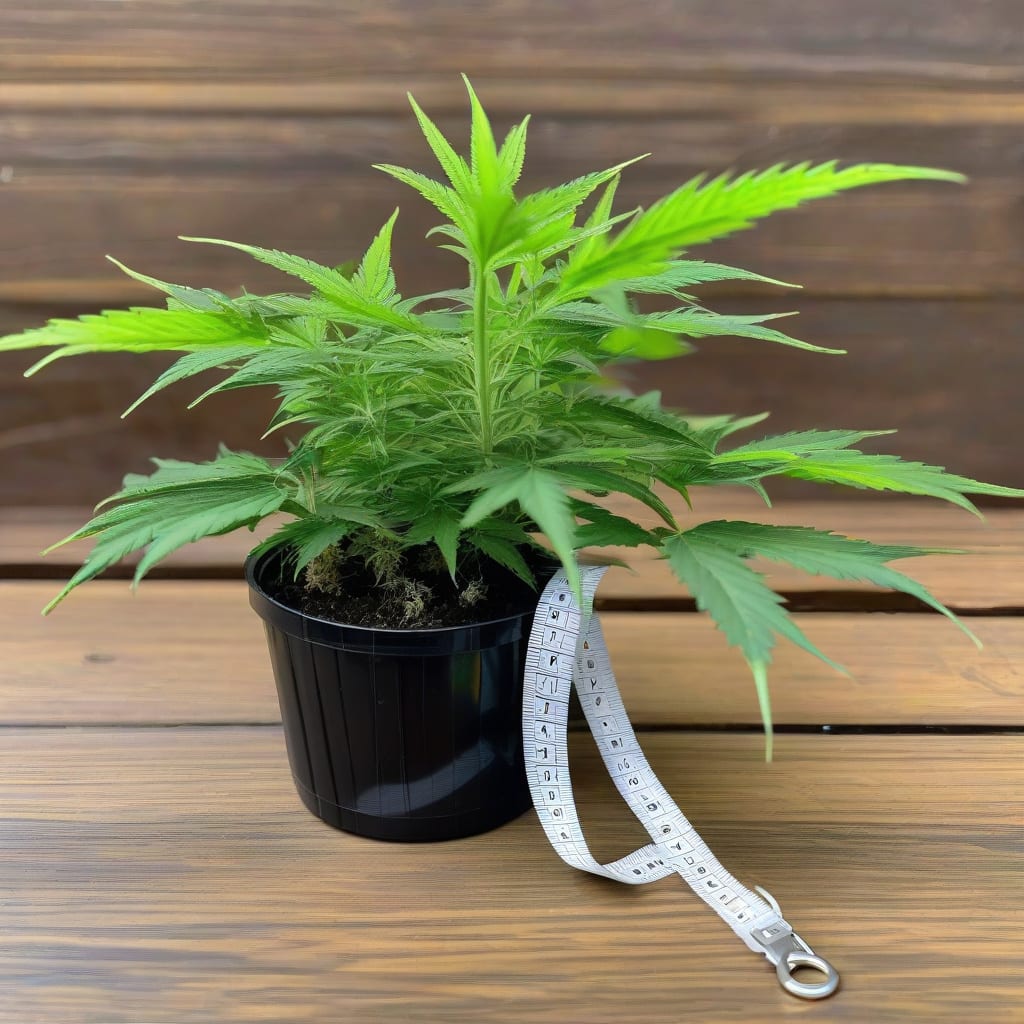
When growing White Widow 🌱, understanding its potential height is crucial for successful cultivation. This legendary cannabis strain can grow between 3-6 feet tall, depending on various factors.
Factors such as genetics, growing conditions, and cultivation techniques all play a role in determining the final height of your White Widow plants. By optimizing these elements, you can help your plants reach their full potential.

When growing White Widow, understanding the factors that affect its height is crucial for successful cultivation. The strain typically grows between 3-6 feet tall, but various elements can influence this range.
Genetics play a significant role in determining White Widow’s height. As a hybrid strain, its growth patterns are influenced by its parent strains. Growing conditions, such as light exposure, temperature, and nutrients, also impact the plant’s development.
Understanding these factors is essential for optimizing White Widow’s growth. By controlling these elements, you can influence the plant’s final height and overall health.
The ideal growing conditions for White Widow include partial sun to full sun exposure. Providing the right amount of light is crucial for promoting healthy growth and maximizing height.
In addition to lighting, maintaining optimal temperatures between 65-75°F during the day and slightly cooler at night can support vigorous growth. Proper nutrient management is also vital, as White Widow benefits from a balanced fertilizer during its growth cycle.
Pruning and training techniques can significantly impact White Widow’s height. Methods like topping and low-stress training (LST) can help control the plant’s height while promoting bushier growth and higher yields.
Regular monitoring of the plant’s response to these factors is essential. For instance, if the plant is stretching too much, adjusting the lighting or implementing pruning techniques can help manage its height.
By understanding and manipulating these growth factors, you can optimize your White Widow plants to reach their full potential height while maintaining overall health and productivity.
White Widow’s height can be influenced by various factors, including genetics, lighting, and nutrients. By optimizing these elements, growers can promote healthy growth and maximize the plant’s potential height.
Successful cultivation of White Widow requires careful attention to detail and a comprehensive understanding of the factors that affect its growth. By providing the right conditions and care, you can help your plants thrive and reach their full potential.
To maximize White Widow height, it’s essential to provide optimal growing conditions. This includes ensuring the plants receive sufficient light, as it’s a critical factor in determining their height. White Widow thrives in partial sun to full sun exposure, requiring at least 4-6 hours of direct light daily 🌞.
In addition to lighting, maintaining optimal temperatures is crucial. White Widow grows best in temperatures between 65-75°F during the day and slightly cooler at night. This temperature range supports vigorous growth and helps maximize the plant’s height.
Ensure plants receive 4-6 hours of direct sunlight or equivalent artificial lighting. Adjust light intensity and duration to promote healthy growth.
Use a balanced fertilizer during the growth cycle. Adjust nutrient levels based on plant response to promote optimal growth.
Topping and LST can help control height while promoting bushier growth and higher yields.
By implementing these expert growing tips, you can help your White Widow plants reach their full potential height. Regular monitoring and adjustments to lighting, nutrients, and pruning techniques will ensure optimal growth and maximize yields.
White Widow’s growth is influenced by various factors, including genetics, lighting, and nutrients. By understanding and optimizing these elements, growers can promote healthy growth and maximize the plant’s potential height 🌿.
Successful cultivation of White Widow requires careful attention to detail and a comprehensive understanding of the factors that affect its growth. By providing the right conditions and care, you can help your plants thrive and reach their full potential.
Growing White Widow can present challenges related to managing its height, particularly in indoor or space-constrained environments. The strain’s natural tendency to grow between 3-6 feet tall can be problematic for growers with limited vertical space.
One common issue with tall White Widow plants is the risk of them becoming too leggy or stretched out, which can lead to reduced yields and increased susceptibility to disease. To mitigate this, growers can employ various techniques to control the plant’s height while promoting healthy growth.
Tall White Widow plants can be challenging to manage, especially in indoor grows. Techniques like topping and LST can help control height while maintaining yield potential.
To manage White Widow’s height effectively, growers can use techniques such as topping and low-stress training (LST). These methods help control the plant’s vertical growth while promoting bushier development and potentially increasing overall yields.
Another strategy for managing height is to adjust the plant’s environment. For example, providing optimal lighting conditions can help prevent excessive stretching. Maintaining a consistent temperature between 65-75°F during the day and slightly cooler at night also supports healthy, compact growth.
Regular monitoring of the plant’s response to these techniques is crucial. By observing how White Widow reacts to different management strategies, growers can make informed adjustments to optimize both height and overall plant health.
By understanding the challenges associated with White Widow’s height and implementing effective management strategies, growers can successfully cultivate this strain even in challenging environments 🌿.
