
Beautiful Plants For Your Interior
Beautiful Plants For Your Interior
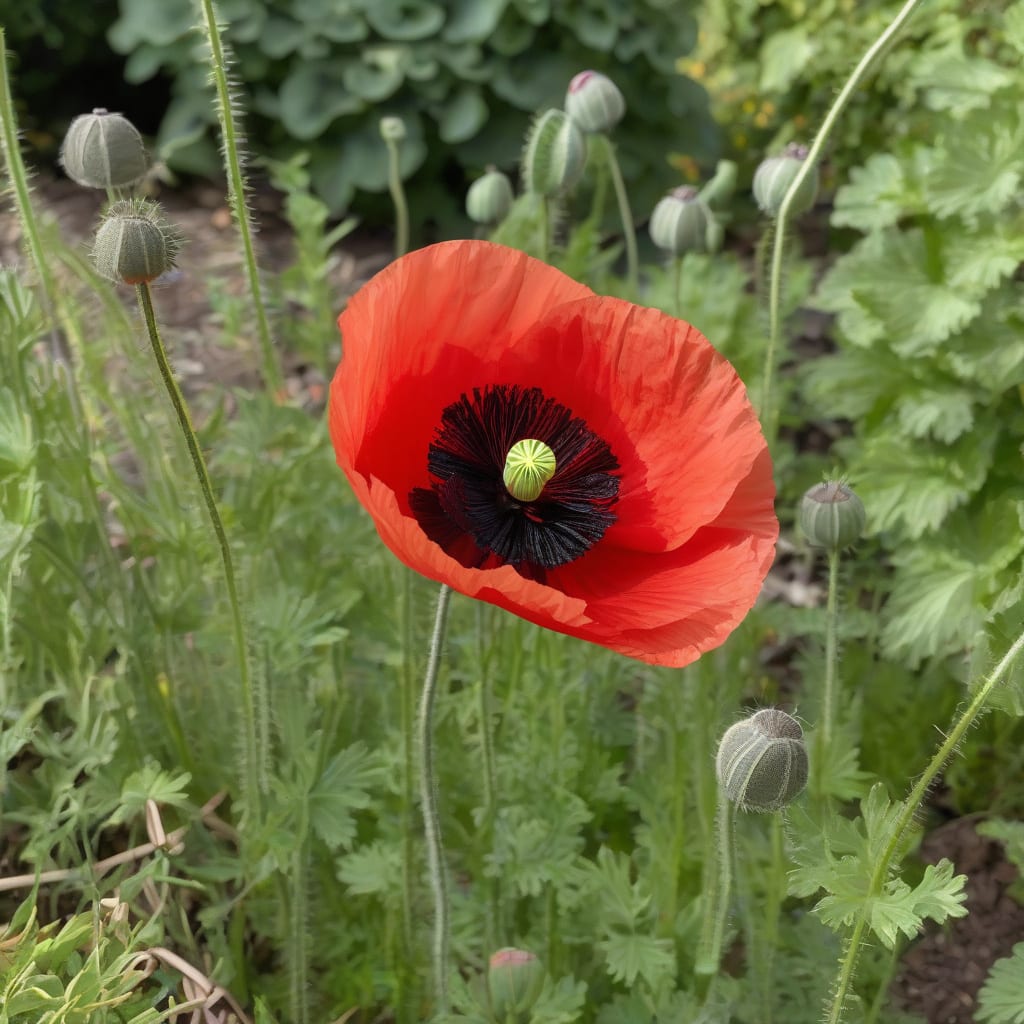
When growing poppies 🌼 in your garden, understanding their potential height is crucial for planning. These beautiful flowers can add a striking vertical element to your landscape.
Poppies typically grow between 1-3 feet tall, depending on the variety and growing conditions in USDA Zone 6. Let’s explore the factors that influence their height and how to support their growth for maximum impact.


When growing poppies, understanding the factors that influence their height is crucial for achieving the best results in your garden. The height of poppy plants can vary significantly based on several key elements 🌼.
Several factors contribute to the overall height of poppy plants, including soil quality, sunlight exposure, watering practices, and the specific poppy variety. Let’s examine these factors in more detail.
The combination of these factors determines the ultimate height of poppy plants in your garden. For example, Shirley poppies tend to grow taller than some other varieties, often reaching heights of 2-3 feet when given optimal conditions 🌺.
Understanding these growth factors helps gardeners create optimal conditions for their poppies. By focusing on soil preparation and providing adequate sunlight, gardeners can encourage healthier, taller plants.
Proper watering techniques also play a critical role in poppy height. Gardeners should aim for consistent moisture during the early growth stages, then reduce watering as the plants mature.
The specific poppy variety chosen will have a significant impact on the potential height. Some varieties naturally grow taller than others, so selecting the right type is essential for achieving desired heights in your garden.
In USDA Zone 6, where poppies are well-suited, gardeners can expect optimal growing conditions during the spring and fall months. These seasons provide the ideal balance of moisture and temperature for poppy growth.
To maximize height, gardeners should ensure their poppies receive full sun exposure and are planted in soil that drains well. This combination helps prevent common issues like root rot and promotes healthy stem development.
By carefully managing these factors, gardeners can encourage their poppies to reach their full height potential, creating a stunning display in their garden 🌼.
Regular monitoring of the plants’ growing conditions and adjusting care practices accordingly can further enhance their growth and overall height.
In summary, achieving optimal height in poppies requires attention to multiple growth factors. By understanding and managing these elements, gardeners can cultivate vibrant, tall poppy plants that enhance their garden’s beauty.
To achieve maximum height in poppies, gardeners need to focus on several key growing practices. Understanding how to create optimal growing conditions is crucial for developing tall, healthy plants 🌼.
First, let’s examine the importance of proper soil preparation. Poppies thrive in well-draining soil with moderate fertility. Gardeners should avoid heavy clay or overly rich soil that can negatively impact height and overall plant health.
Sow poppy seeds on the surface or cover with a thin layer of soil. Press seeds firmly into the soil to ensure good contact.
Ensure poppies receive at least 6 hours of direct sunlight daily. Full sun promotes stronger stem growth and taller plants.
Water poppies regularly during germination and establishment. Reduce watering as plants mature to prevent weak, leggy growth.
By following these expert growing tips, gardeners can maximize the height of their poppies. Remember that different poppy varieties have inherent height characteristics, so selecting the right type is essential for achieving desired heights 🌺.
In addition to these practices, gardeners should be aware of the specific growing conditions in their area. For instance, in USDA Zone 6, poppies thrive during the spring and fall months when moisture and temperature are balanced.
To further support tall poppy growth, consider providing support structures like stakes or cages, especially in windy conditions. This helps prevent stem damage and keeps plants upright.
Regular monitoring of the plants’ growing conditions and adjusting care practices accordingly can further enhance their growth and overall height. By combining these strategies, gardeners can cultivate vibrant, tall poppy plants that enhance their garden’s beauty 🌼.
Understanding the specific needs of poppies and implementing these expert tips will help gardeners achieve the maximum height potential of their plants. With proper care and attention, poppies can become a stunning focal point in any garden.
By implementing these strategies, gardeners can enjoy taller, healthier poppy plants that add beauty and interest to their landscape. The combination of proper soil preparation, adequate sunlight, and careful watering practices creates optimal conditions for maximum height.
In conclusion, maximizing poppy height requires a combination of proper growing practices and understanding the specific needs of these beautiful flowers. By following these expert tips, gardeners can cultivate taller, more vibrant poppies that enhance their garden’s overall appearance.
Growing tall poppies can be rewarding, but gardeners often face several challenges that affect plant height and overall health. Understanding these common issues helps in developing effective solutions 🌼.
One of the primary challenges is wind damage. Tall poppy stems can be brittle and susceptible to breaking in strong winds. Gardeners should consider providing support structures like stakes or cages to protect their plants.
Poppies are susceptible to pests like aphids and diseases such as powdery mildew. Regular monitoring and proper spacing can help prevent these issues.
Pests are another significant challenge. Aphids, in particular, can weaken poppy plants by feeding on their sap, potentially stunting growth. Gardeners should regularly inspect their plants and use appropriate control measures when necessary.
Diseases like powdery mildew can also impact poppy height. Proper spacing between plants and good air circulation are crucial in preventing the spread of disease. If disease is detected, removing affected parts and using fungicides can help manage the problem.
To overcome these challenges, gardeners can implement several strategies. Providing support for tall stems, maintaining good garden hygiene, and monitoring for pests and diseases are essential practices 🌺.
By understanding these common challenges and taking proactive steps, gardeners can better ensure their poppies reach their full height potential. Regular care and attention to potential issues will result in healthier, more robust plants.
In conclusion, while growing tall poppies comes with challenges, being aware of these issues and implementing appropriate measures can lead to successful cultivation. With the right care, poppies can thrive and add beauty to any garden 🌼.
