
Beautiful Plants For Your Interior
Beautiful Plants For Your Interior
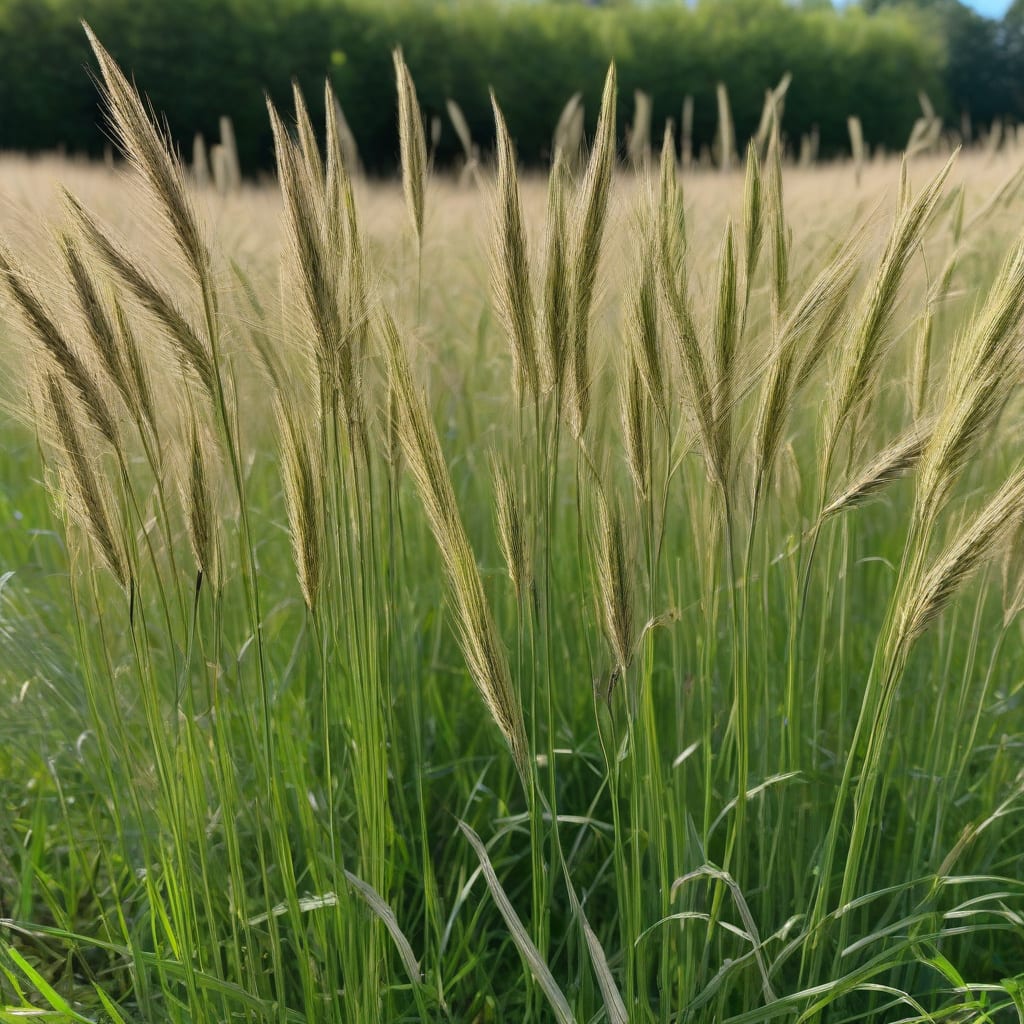
As I stand in my field watching the 🌾 Rye grow, I’m always amazed at how tall it can reach. Growing 4-6 feet tall in USDA Zone 6, Rye is a versatile crop that requires careful planning.
Understanding Rye’s growth habits is crucial for successful cultivation. Let’s explore the factors that influence its height and how to manage them for optimal yield.


Rye plant height is influenced by a combination of genetic and environmental factors. The variety of rye being grown plays a significant role in determining its potential height. Some varieties are bred to be more compact, while others can grow quite tall. 🌾
In addition to genetics, soil quality and nutrient availability significantly impact rye growth. Rye prefers well-draining, fertile soils with adequate nutrients, particularly nitrogen. Soil pH also affects nutrient uptake and, consequently, plant height.
Climate conditions during the growing season also play a crucial role. Rye generally thrives in cooler temperatures with adequate moisture. Drought or extreme heat can stress the plants, potentially limiting their height.
The planting density can influence individual plant height as well. When rye is planted too densely, plants may compete more intensely for resources, potentially leading to variations in height.
Fertilization practices impact rye height by providing necessary nutrients. Nitrogen is particularly important for vegetative growth and can significantly affect plant height when applied appropriately.
Understanding these factors helps farmers make informed decisions about variety selection, soil preparation, and crop management to achieve optimal rye height for their specific growing conditions.
Rye height management is crucial for optimizing crop yield and quality. By understanding the key** value. spoiler “Use a balanced fertilizer with a 10-10-10 NPK ratio. Apply when growth resumes in spring.” Apply the fertilizer according to the label instructions, spoiler “in the early morning when the plant is most receptive.” This will help promote healthy growth and maximize rye height.
🌱The planting density is another critical factor. Planting at the optimal density ensures that the rye plants have enough space to grow tall and healthy. Overcrowding can lead to reduced height and lower yields. 🌱
By carefully managing these factors, farmers can optimize rye height for their specific growing conditions, leading to better crop performance and higher yields.
Regular monitoring of the crop’s progress is essential. This allows farmers to make timely adjustments to factors like fertilization and pest management, ensuring that the rye reaches its full height potential.
In conclusion, the height of rye is influenced by a complex interplay of genetic, environmental, and management factors. By understanding and managing these factors, farmers can optimize rye height for better yields and crop performance.
Rye plants typically grow between 4 to 6 feet tall, with some varieties reaching heights of up to 6 feet under optimal growing conditions. The average height can vary based on factors such as soil quality, climate, and agricultural practices. 🌾
Understanding the typical height range of rye is essential for farmers to plan their crop management strategies effectively. The height of rye plants can impact harvesting techniques and equipment requirements.
Rye plants usually grow between 4 to 6 feet tall.
Some rye varieties can reach heights of up to 6 feet.
Soil quality, climate, and agricultural practices can influence rye height.
The height of rye plants is an important consideration for farmers, as it affects not only the harvesting process but also the overall yield and quality of the crop. By understanding the factors that influence rye height, farmers can make informed decisions to optimize their crop management strategies.
Farmers should consider the specific growing conditions and variety of rye they are cultivating when planning their harvesting techniques. This knowledge can help in selecting the appropriate equipment and methods for efficient harvesting.
In conclusion, the average height range of rye plants is between 4 to 6 feet, with variations depending on several factors. Understanding these factors and planning accordingly can lead to better crop management and higher yields.
To manage rye height effectively and achieve optimal yield, farmers need to consider several key factors. The planting density is crucial, as it directly affects how tall individual rye plants can grow. Proper spacing ensures that plants have enough resources to reach their full height potential.
Use a balanced fertilizer with a 10-10-10 NPK ratio at planting and again in spring when growth resumes. Apply in the early morning for best results.
Fertilization practices play a significant role in managing rye height. Nitrogen is particularly important for vegetative growth, and applying it appropriately can significantly impact plant height. A balanced fertilizer ensures that rye plants receive the necessary nutrients without over-fertilizing.
Regular monitoring of the crop’s progress is essential. This allows farmers to make timely adjustments to factors like fertilization and pest management, ensuring that the rye reaches its full height potential and maintains optimal yield.
By carefully managing these factors, farmers can optimize rye height for their specific growing conditions, leading to better crop performance and higher yields. The goal is to create an environment where rye plants can grow 4-6 feet tall, maximizing their yield potential.
In conclusion, managing rye height involves a combination of proper planting density, fertilization practices, and regular monitoring. By understanding and implementing these strategies, farmers can achieve optimal rye height and improve their overall crop yield.
