
Beautiful Plants For Your Interior
Beautiful Plants For Your Interior
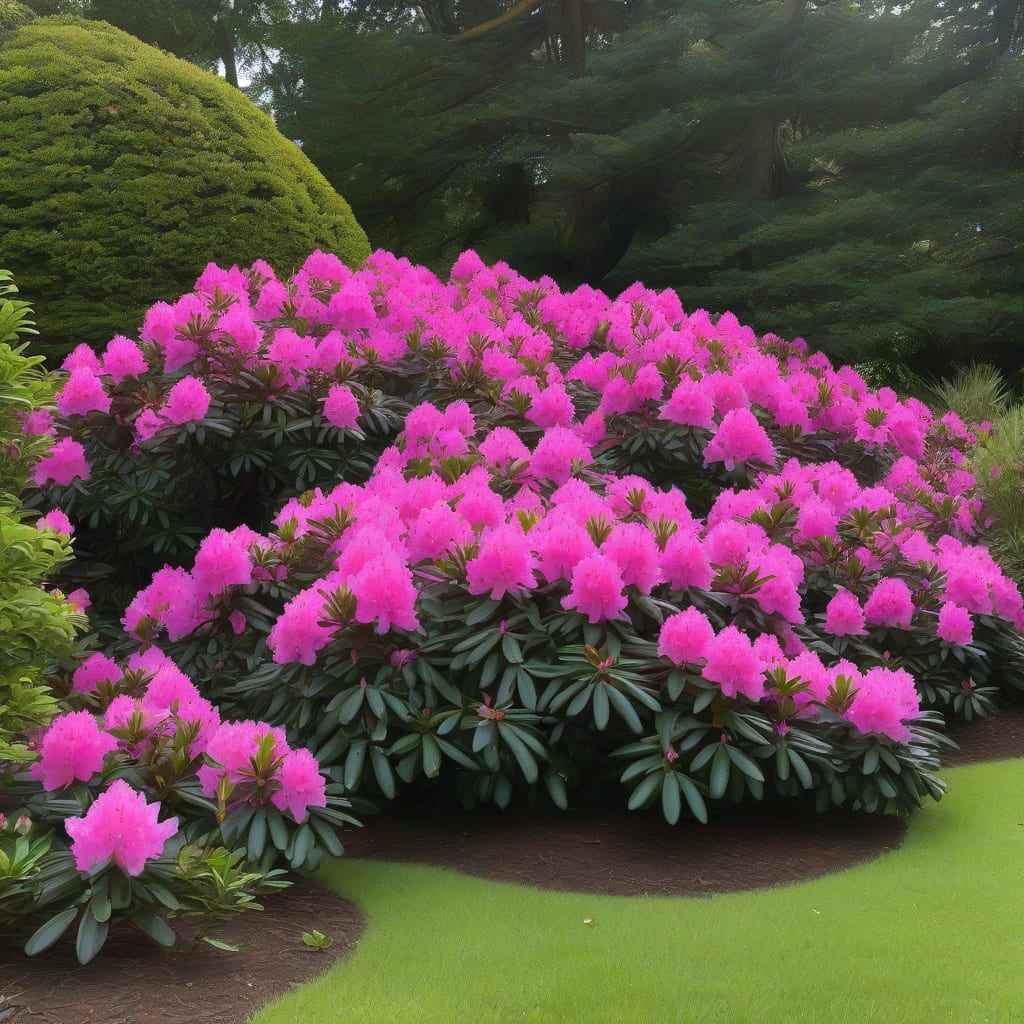
When planning your garden, understanding the growth potential of your plants is crucial. Rhododendron 🌺, known for its stunning blooms and evergreen foliage, can grow to varying heights depending on several factors.
In USDA Zone 6, these beautiful shrubs can reach heights between 3 to 15 feet, making them a versatile choice for different garden landscapes. Let’s explore what influences their growth and how to manage their height effectively.


Rhododendron growth is influenced by multiple factors that gardeners must consider to achieve optimal height. The soil quality plays a crucial role, as rhododendrons thrive in acidic soil with good drainage. Maintaining a soil pH between 4.5 and 6.0 is essential for healthy growth 🌺.
Sunlight exposure is another critical factor. While rhododendrons can tolerate some shade, they require at least 4-6 hours of indirect sunlight daily. Too much direct sunlight can cause leaf scorch, while too little light can limit flowering and overall growth.
The watering practices also significantly impact rhododendron height. These plants prefer consistent moisture but cannot tolerate waterlogged soil. During dry spells, regular watering is essential, especially during the first year after planting 🌱.
Fertilization is another key factor in promoting healthy growth. Using an acidic fertilizer during the growing season provides essential nutrients that support both foliage and flower development. The right fertilizer helps maintain the plant’s natural vigor and supports maximum height potential.
Pruning techniques play a vital role in managing rhododendron height. Regular pruning not only maintains the desired shape but also promotes healthy growth by removing dead or damaged branches. Proper pruning techniques can help control the plant’s height while encouraging denser foliage and more abundant flowering.
Understanding these factors helps gardeners create optimal growing conditions for their rhododendrons. By focusing on soil quality, appropriate sunlight, consistent watering, proper fertilization, and regular pruning, gardeners can maximize their plants’ growth potential and achieve the desired height in their garden landscapes 🌼.
Creating the right microenvironment is crucial for rhododendron success. This includes maintaining consistent soil moisture through regular watering and mulching practices. Mulch helps retain moisture, suppress weeds, and regulate soil temperature, all of which contribute to healthy root development and overall plant growth.
Temperature protection is also important, especially in colder climates. Young rhododendrons may need protection from extreme temperatures and frost. Using winter mulch or other protective measures can help safeguard the plants during harsh weather conditions.
The planting location itself can significantly affect rhododendron growth. Choosing a site with appropriate sunlight and soil conditions is crucial. Gardeners should also consider the mature size of the plants when selecting a location to prevent overcrowding and ensure proper air circulation around the plants.
By carefully managing these growth factors, gardeners can help their rhododendrons reach their full height potential while maintaining overall plant health. Regular monitoring and adjustments to the care routine as needed will ensure these beautiful shrubs continue to thrive in the garden environment 🌺.
Rhododendron height varies significantly across different varieties, ranging from compact dwarf types to standard shrubs that can reach impressive heights. Understanding these varietal differences helps gardeners choose the right plants for their specific landscape needs 🌺.
The height of rhododendrons is primarily determined by their genetic makeup, with different cultivars exhibiting distinct growth habits. Gardeners should consider these natural height ranges when planning their garden design to ensure proper spacing and placement.
Dwarf rhododendron varieties typically grow between 3 to 6 feet tall, making them perfect for smaller garden spaces or container planting. These compact plants maintain their smaller size naturally, requiring minimal pruning to keep their shape 🌿.
Compact varieties offer a middle ground, reaching heights of 6 to 8 feet. They provide a balance between manageable size and impressive floral displays, making them suitable for foundation plantings or border gardens.
Standard rhododendron varieties are the largest, growing up to 15 feet or more in ideal conditions. These shrubs make dramatic statements in garden landscapes and can serve as effective privacy screens or background plantings.
When selecting rhododendrons, gardeners should consider not only the mature height but also the plant’s width and growth rate. Proper spacing based on these factors ensures healthy growth and prevents overcrowding, which can lead to disease issues and reduced flowering 🌻.
The growth rate of rhododendrons varies among varieties, with some establishing quickly while others take more time to reach their full potential. Understanding these growth patterns helps gardeners set realistic expectations for their landscape development.
Regular monitoring of plant growth allows gardeners to make necessary adjustments to their care routine. This might include pruning to maintain shape, adjusting fertilization schedules, or modifying watering practices to support optimal growth.
By choosing the right rhododendron variety for their specific needs and providing appropriate care, gardeners can enjoy these beautiful shrubs at their full height potential while maintaining overall plant health and vigor 🌺.
Pruning is a crucial maintenance practice for managing rhododendron height while promoting healthy growth and abundant flowering. The right pruning techniques help control the plant’s size, maintain its natural shape, and encourage denser foliage 🌺.
When pruning rhododendrons, it’s essential to understand that these plants produce flowers on the previous year’s growth. Therefore, pruning at the right time is critical to avoid removing next year’s blooms. The best time to prune is immediately after the plant finishes flowering in late spring 🌱.
Start by removing any dead, diseased, or damaged branches to improve plant health and appearance
Selectively remove branches from the center to improve air circulation and light penetration
Carefully trim branches to maintain desired height and shape while preserving the natural form
Proper pruning techniques are essential for maintaining rhododendron health. Always make clean cuts just above a bud or lateral branch, using sharp, sterilized pruning tools to prevent disease transmission 🌿.
Regular pruning not only controls height but also stimulates new growth and promotes better flowering. By following these steps and timing your pruning correctly, you can effectively manage your rhododendron’s height while maintaining its overall health and beauty 🌼.
It’s important to note that rhododendrons typically require minimal pruning compared to other garden shrubs. Annual maintenance pruning is usually sufficient to keep the plants looking their best and maintain the desired height.
For overgrown rhododendrons, more extensive pruning may be necessary. In such cases, it’s better to prune gradually over several seasons rather than cutting back severely in one year, which can stress the plant.
