
Beautiful Plants For Your Interior
Beautiful Plants For Your Interior
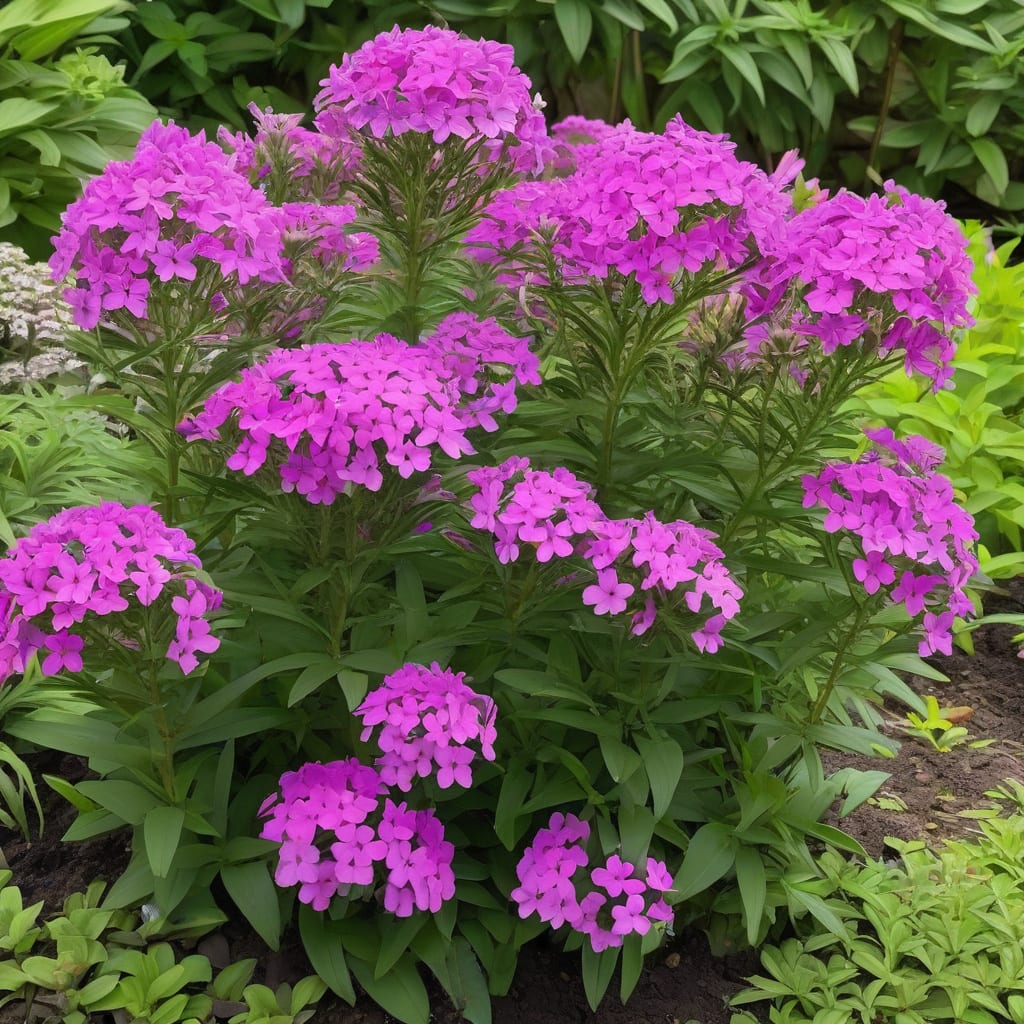
When planting Phlox 💐 in your garden, understanding its growth potential is crucial for optimal placement. The height of these beautiful flowering plants can vary significantly based on variety and growing conditions.
Typically, Phlox plants can grow between 2 to 4 feet tall, making them a great addition to many garden landscapes in USDA Zone 6. Let’s explore the factors that influence their height and how to encourage optimal growth.


Phlox plants are known for their vibrant blooms and attractive foliage, but their height can vary significantly based on variety and growing conditions. Understanding these growth patterns is essential for proper garden planning and plant care.
The typical height range for Phlox plants is between 2 to 4 feet, making them suitable for various garden settings. Some compact varieties remain shorter, while taller cultivars can reach impressive heights 🌼.
The height of Phlox plants is influenced by several factors, including soil quality, sunlight exposure, and maintenance practices. Soil quality plays a crucial role, as Phlox prefers well-draining soil rich in organic matter. Plants grown in poor soil may not reach their full height potential 🌱.
Sunlight exposure is another critical factor. Phlox generally thrives in full sun to partial shade. While it can tolerate some shade, insufficient sunlight may result in shorter plants with fewer blooms.
In addition to soil and sunlight, watering practices significantly impact Phlox height. Consistent moisture, especially during the first growing season, helps establish a strong root system that supports healthy growth.
Regular maintenance, such as pruning and deadheading, can also influence Phlox height. Proper pruning techniques can encourage bushier growth and prevent plants from becoming leggy.
Different Phlox varieties exhibit unique growth characteristics. Garden Phlox (Phlox paniculata) is one of the most common types, known for its fragrant flowers and ability to grow up to 4 feet tall. Creeping Phlox (Phlox subulata), on the other hand, is a low-growing variety that forms dense mats of foliage, typically reaching heights of 6-12 inches 🌿.
When selecting Phlox for your garden, consider the mature height of the variety and how it will fit into your overall landscape design. Taller varieties may require staking to prevent them from toppling over in strong winds.
Phlox plants generally have a moderate growth rate. Under optimal conditions, they can reach their full height within 2-3 growing seasons. Factors such as soil quality, watering, and fertilization can influence this growth rate.
To encourage optimal height and overall health, ensure your Phlox receives adequate nutrients. A balanced fertilizer applied in early spring can provide the necessary nutrients for vigorous growth.
Understanding the growth patterns of Phlox is essential for creating a beautiful and thriving garden. By selecting the right variety and providing appropriate care, you can enjoy these lovely plants at their full potential 🌻.
In summary, Phlox plants offer a range of heights and growth habits, making them versatile additions to any garden. With proper care and attention to their needs, you can enjoy their beautiful blooms for years to come.
The height of Phlox plants is influenced by several key factors that gardeners should consider when planting and caring for these beautiful flowers. Understanding these factors can help you create optimal growing conditions for your Phlox 🌼.
Soil quality plays a crucial role in determining Phlox height. These plants prefer well-draining soil rich in organic matter, which supports healthy root development and vigorous growth. Poor soil quality can result in stunted plants that don’t reach their full height potential 🌱.
Sunlight exposure is another critical factor affecting Phlox height. These plants generally thrive in full sun to partial shade. While they can tolerate some shade, insufficient sunlight may result in shorter plants with fewer blooms. For optimal height, ensure your Phlox receives at least 6 hours of direct sunlight daily ☀️.
Watering practices also significantly impact Phlox height. Consistent moisture, especially during the first growing season, helps establish a strong root system that supports healthy growth. However, overwatering can be detrimental, leading to root rot and stunted growth 💧.
To achieve optimal Phlox height, provide well-draining soil, adequate sunlight, and consistent moisture. Regular maintenance practices like pruning and fertilization also play crucial roles in supporting healthy growth and maximum height potential.
By understanding and managing these factors, you can help your Phlox plants reach their full height potential and enjoy their beautiful blooms for years to come 🌻.
Different Phlox varieties may respond differently to these factors, so it’s essential to research the specific needs of your plants. With proper care and attention, you can create a stunning display of Phlox in your garden.
In summary, the height of Phlox plants is influenced by a combination of soil quality, sunlight exposure, and watering practices. By optimizing these factors and providing appropriate care, you can encourage your Phlox to reach their maximum height and enjoy their vibrant blooms.
To achieve the best garden display with Phlox, understanding how to manage their height is crucial. Proper care techniques can help maintain the desired height while promoting healthy growth and vibrant blooms 🌼.
Prune Phlox in early spring to encourage bushier growth and prevent legginess. Cut back stems to about 6 inches from the ground before new growth begins.
Pruning techniques play a significant role in managing Phlox height. By cutting back the stems after blooming, you can encourage a more compact growth habit and prevent the plants from becoming too leggy.
Supporting taller varieties is another important consideration. Garden Phlox, which can grow up to 4 feet tall, may require staking to prevent them from toppling over in strong winds or heavy rain 🌿.
When positioning Phlox in your garden, consider their mature height and how they will fit into your overall landscape design. Taller varieties can be used as a backdrop, while shorter varieties can be placed in the foreground or used as border plants.
By implementing these strategies, you can effectively manage the height of your Phlox plants and create a beautiful, balanced garden display that showcases their vibrant blooms 🌻.
