
Beautiful Plants For Your Interior
Beautiful Plants For Your Interior
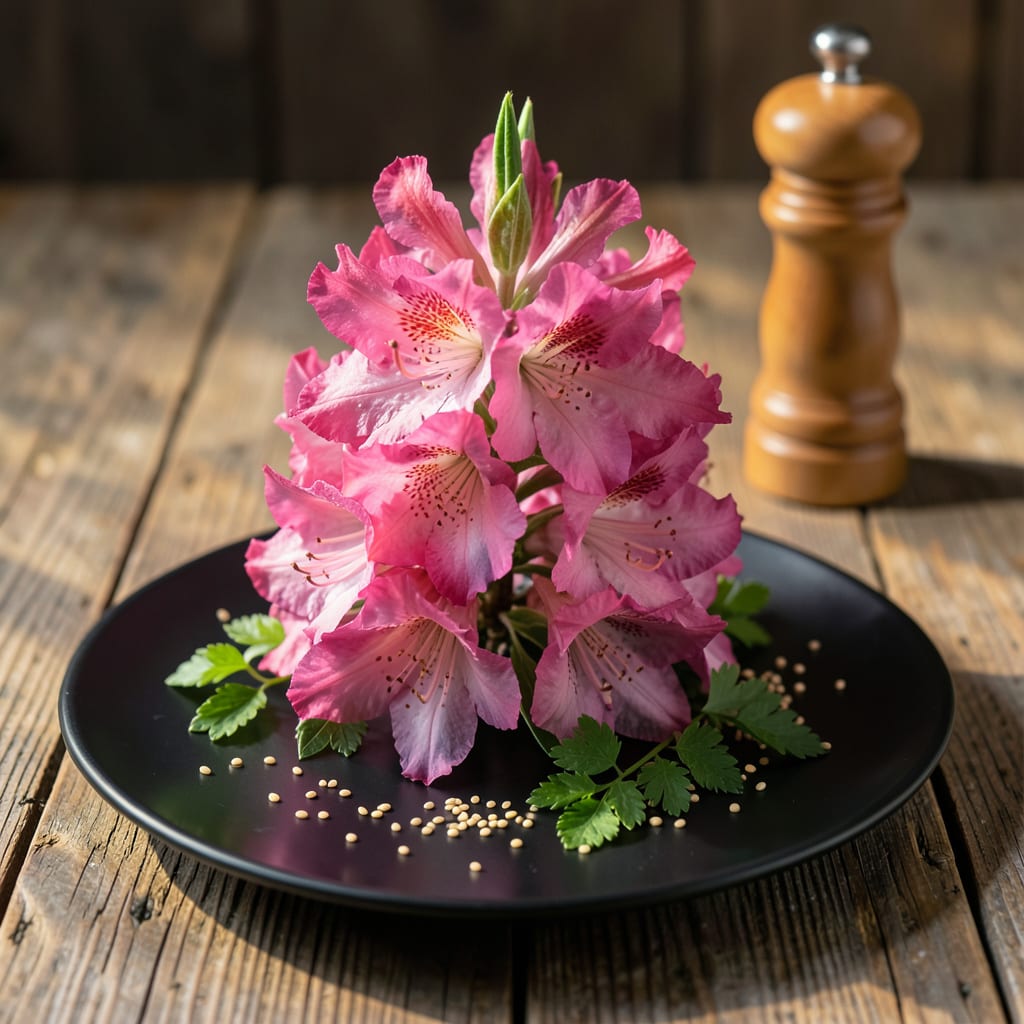
I’ve always been fascinated by Rhododendrons 🌺, and their stunning blooms are a highlight of any garden. But have you ever wondered how tall these beautiful shrubs can actually grow? Understanding their growth potential is crucial for proper placement in your landscape.
Rhododendrons can grow anywhere from 3 to 15 feet tall, depending on the variety and growing conditions. Let’s dive into the factors that influence their height and explore how to manage their size for your garden.

I’ve always been fascinated by how tall rhododendrons can grow, and it’s essential to understand their growth potential when planning your garden. Rhododendrons are known for their stunning blooms and can add significant beauty to any landscape.
The height of rhododendrons varies widely depending on the variety, growing conditions, and maintenance practices. Let’s explore these factors in more detail to help you make informed decisions about planting and caring for your rhododendrons.
Rhododendron varieties come in a range of sizes, from dwarf cultivars that top out at around 3 feet, to standard varieties that can reach heights of 15 feet or more. Understanding the mature size of your rhododendron variety is crucial for proper placement in your garden, ensuring you have enough space for them to grow and thrive.
Soil quality plays a significant role in rhododendron growth. These plants prefer acidic soil with a pH between 4.5 and 6.0, rich in organic matter. Poor soil conditions can limit growth and affect overall plant health.
Sunlight exposure is another critical factor. While rhododendrons can tolerate some sun, they generally prefer partial shade, especially in warmer climates. Too much direct sunlight can stress the plants and impact their growth.
Watering practices also influence rhododendron height. Consistent moisture is key, but overwatering can be detrimental. Ensuring good drainage and avoiding waterlogged soil is essential for healthy growth.
Pruning techniques can help manage rhododendron height. Regular pruning not only controls size but also encourages bushier growth and more abundant flowering. Prune immediately after blooming to avoid cutting off next year’s flower buds.
By understanding these factors and how they interact, you can better manage the growth of your rhododendrons and enjoy their beautiful blooms for years to come 🌺.
In summary, the height of rhododendrons is influenced by a combination of variety, growing conditions, and maintenance practices. By selecting the right variety for your space and providing optimal care, you can enjoy these stunning plants in your garden.
For more specific guidance on caring for your rhododendrons, including tips on pruning and training, stay tuned for the next section of our comprehensive guide.
I’ve found that understanding the factors that influence rhododendron height is crucial for gardeners who want to make the most of these beautiful plants. Several key elements can affect how tall your rhododendrons will grow 🌺.
The soil quality is one of the most critical factors. Rhododendrons thrive in acidic soil with a pH between 4.5 and 6.0, rich in organic matter. Poor soil conditions can significantly limit their growth and overall health.
Sunlight exposure is another vital factor. While rhododendrons can tolerate some sun, they generally prefer partial shade, especially in warmer climates. Too much direct sunlight can stress the plants and impact their growth.
Watering practices also play a significant role. Consistent moisture is key, but overwatering can be detrimental. Ensuring good drainage and avoiding waterlogged soil is essential for healthy growth.
Pruning techniques can help manage rhododendron height. Regular pruning not only controls size but also encourages bushier growth and more abundant flowering. Prune immediately after blooming to avoid cutting off next year’s flower buds.
By understanding and managing these factors, you can better control the height of your rhododendrons and enjoy their stunning blooms for years to come.
For more specific guidance on pruning and training rhododendrons, stay tuned for the next section of our comprehensive guide.
I’ve found that managing rhododendron height is crucial for gardeners with limited space or specific landscape designs. The good news is that with proper care and maintenance, you can control the height of your rhododendrons and keep them thriving 🌺.
One effective way to manage rhododendron height is through pruning. Regular pruning not only controls size but also encourages bushier growth and more abundant flowering. It’s best to prune immediately after blooming to avoid cutting off next year’s flower buds.
Prune your rhododendrons immediately after they finish blooming to maintain their shape and encourage new growth.
Another approach is to select size-appropriate varieties for your garden. If you have limited space, consider planting dwarf or compact rhododendron varieties that naturally grow smaller.
Training your rhododendrons can also help manage their height. This involves removing any weak or spindly growth to encourage a stronger, more balanced plant.
By combining these techniques, you can effectively manage the height of your rhododendrons and enjoy their beautiful blooms in any garden space.
For more detailed information on pruning and training rhododendrons, check out our comprehensive guide on rhododendron care 🌼.
