
Beautiful Plants For Your Interior
Beautiful Plants For Your Interior
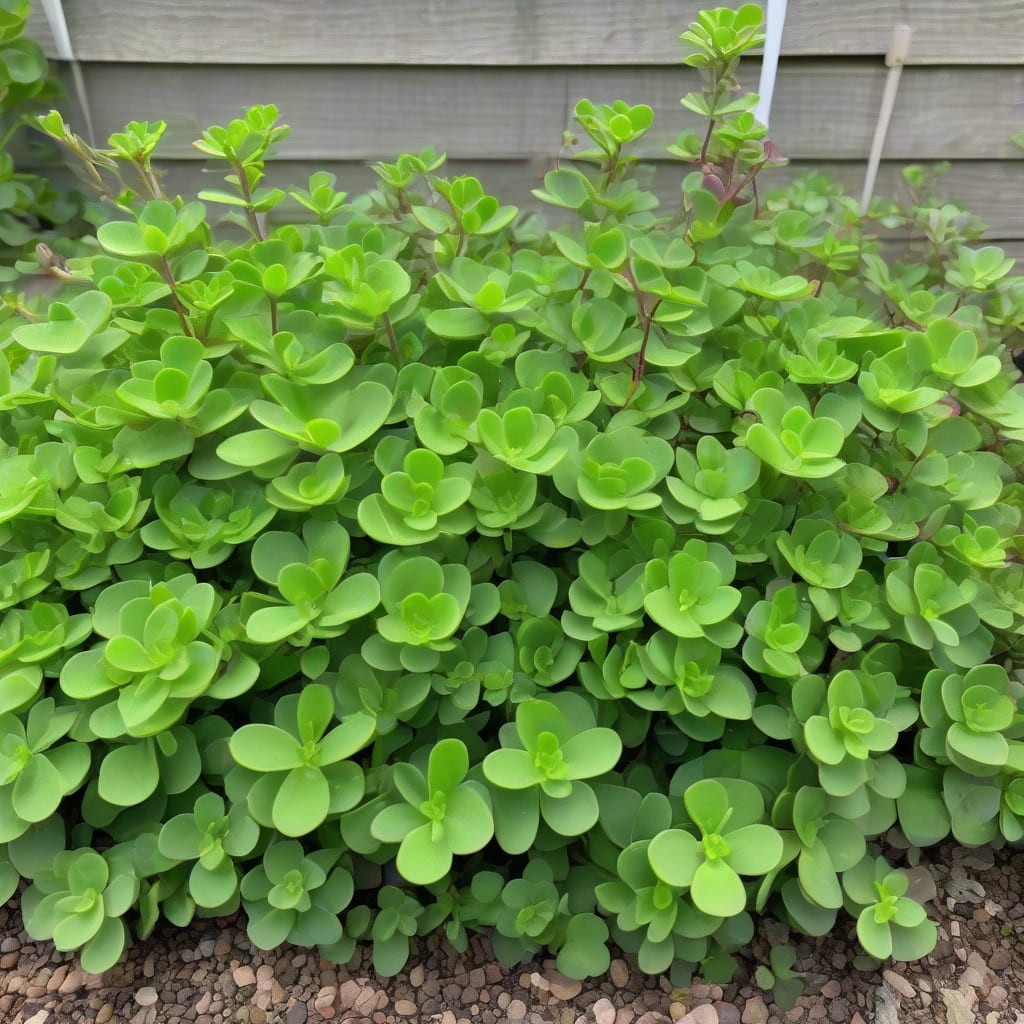
I’ve discovered that Purslane 🌱 is more than just a common weed – it’s a versatile, nutritious addition to any garden. Growing 0.5-1 foot tall, this succulent thrives in various conditions.
In USDA Zone 6, Purslane flourishes during the summer months. Understanding its growth habits is key to harnessing its benefits in your garden. Let’s explore how to make the most of this resilient plant.


Purslane is a low-growing, spreading succulent that typically reaches heights of 0.5 to 1 foot. Its growth habits make it an excellent choice for ground cover or container gardens. I’ve found that understanding these characteristics helps gardeners manage their expectations and care for the plant effectively 🌱.
The maximum height of purslane can vary based on growing conditions, but it generally remains within this 0.5-1 foot range. This makes it ideal for areas where taller plants might overshadow other garden features. Purslane’s succulent stems and fleshy leaves contribute to its compact growth pattern.
The succulent nature of purslane allows it to thrive in conditions where other plants might struggle. Its ability to spread quickly makes it useful for filling gaps in garden beds or containers. I recommend considering these growth characteristics when planning your garden layout 🌿.
When growing purslane, it’s essential to understand that its height remains relatively consistent throughout its growing season. The plant’s energy is often directed more towards spreading rather than growing taller. This characteristic makes it an excellent choice for ground cover or container gardens where its spreading habit can be utilized effectively.
Purslane’s growth is influenced by factors such as soil quality, watering practices, and temperature ranges. In optimal conditions, it can form a dense mat that suppresses weeds and retains soil moisture. Gardeners often appreciate this low-maintenance quality when cultivating purslane in their gardens 🌻.
To maximize purslane’s potential, gardeners should consider its spreading habit when planting. Providing adequate space for the plant to spread can help prevent overcrowding and promote healthy growth. I often recommend using purslane as a filler plant in garden designs where its spreading nature can be an asset.
Understanding purslane’s growth characteristics is crucial for effective garden management. By recognizing its typical height and spreading habit, gardeners can make informed decisions about plant placement and care. This knowledge helps ensure that purslane thrives in its chosen location, providing both aesthetic and practical benefits to the garden 🌼.
In summary, purslane’s growth characteristics make it a versatile and valuable addition to many garden types. Its low-growing, spreading habit and succulent nature contribute to its popularity among gardeners. By understanding and leveraging these traits, gardeners can enjoy the many benefits that purslane has to offer 🌸.
Purslane’s height can be influenced by various factors, including soil quality, watering practices, and temperature ranges. Understanding these elements is crucial for gardeners who want to optimize their purslane’s growth 🌱.
Soil quality plays a significant role in determining purslane’s height. Well-draining soil with a slightly acidic to neutral pH promotes healthy growth. I’ve found that purslane thrives in soil rich in organic matter, which helps retain moisture and nutrients.
Purslane’s height is influenced by soil quality, watering practices, and temperature. Optimal conditions include well-draining soil and full sun.
Watering practices also impact purslane’s height. This succulent is drought-tolerant but performs best with consistent moisture. Overwatering can lead to root rot, while underwatering may stress the plant. I recommend watering purslane every 7-10 days, depending on weather conditions.
Temperature ranges are another critical factor. Purslane thrives in warm temperatures between 65°F and 85°F (18°C to 30°C). Temperatures outside this range can affect its growth and height. In areas with extreme temperatures, providing some protection or adjusting care practices can help maintain optimal height.
In addition to these factors, light exposure significantly affects purslane’s growth. As a full-sun plant, purslane requires at least 6 hours of direct sunlight daily. Insufficient light can lead to leggy growth, while excessive light can cause scorching. Balancing light exposure is key to maintaining healthy, compact growth 🌻.
By understanding and managing these factors, gardeners can influence purslane’s height and overall health. While purslane is generally low-maintenance, attention to these details can make a significant difference in its performance. I often advise gardeners to monitor their purslane’s response to different conditions and adjust their care strategies accordingly 🌼.
In summary, purslane’s height is influenced by a combination of soil quality, watering practices, temperature ranges, and light exposure. By optimizing these factors, gardeners can promote healthy growth and maintain the desired height for their purslane plants 🌸.
I recommend understanding purslane’s natural growth habits to manage its height effectively in garden settings. This low-growing, spreading succulent typically reaches heights of 0.5 to 1 foot, making it ideal for various garden designs 🌿.
To control purslane’s spread and height, consider implementing pruning techniques. Regular pruning helps maintain the desired shape and size while encouraging bushier growth. I often suggest pinching back the tips of stems to promote branching and prevent legginess 🌻.
Regular pruning helps maintain purslane’s desired height and promotes bushier growth. Pinch back stem tips to encourage branching.
Companion planting is another effective strategy for managing purslane’s height and spread. Pairing purslane with plants that have similar growing requirements can create a harmonious garden ecosystem. I recommend planting purslane alongside other low-growing, drought-tolerant species to achieve a balanced and visually appealing garden design 🌼.
When incorporating purslane into your garden, consider its spreading habit. Providing adequate space for the plant to spread can help prevent overcrowding and promote healthy growth. I often advise gardeners to use purslane as a filler plant in garden designs where its spreading nature can be an asset 🌸.
By combining pruning techniques with thoughtful companion planting, gardeners can effectively manage purslane’s height and spread. This approach not only maintains the desired garden aesthetic but also promotes the overall health and productivity of the purslane plants 🌱.
In summary, managing purslane’s height involves a combination of regular pruning and strategic companion planting. By implementing these practices, gardeners can enjoy the benefits of this versatile and resilient plant in their garden designs 🌻.
