
Beautiful Plants For Your Interior
Beautiful Plants For Your Interior
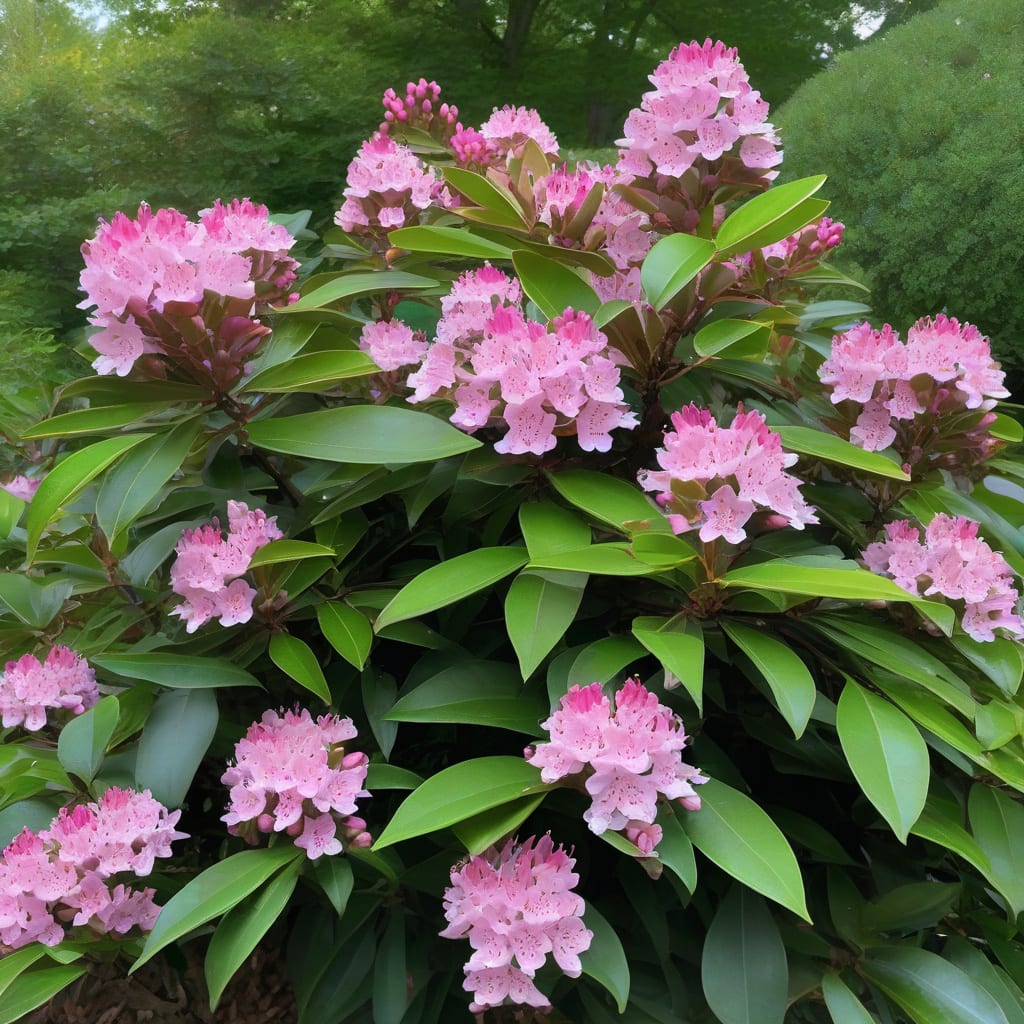
When planting Mountain Laurel 🌺, understanding its growth potential is crucial for proper landscape planning. This beautiful shrub can transform your garden with its stunning blooms.
In ideal conditions, Mountain Laurel can grow between 6-15 feet tall, making it a substantial presence in any garden. Let’s explore the factors that influence its height and how to care for it.


Mountain laurel is known for its impressive growth potential, reaching heights that make it a significant presence in any garden 🌺. The typical mature height of mountain laurel ranges between 6-15 feet, making it a substantial shrub that can serve as a focal point or provide structure in landscape designs.
Understanding the factors that influence mountain laurel’s height is crucial for gardeners who want to optimize their plant’s development. Several key elements play a role in determining how tall mountain laurel will grow, including ideal growing conditions, typical growth patterns, and mature size expectations.
Mountain laurel’s growth is influenced by various factors, including soil quality, sunlight exposure, and pruning practices. Gardeners can optimize these conditions to help their mountain laurel reach its full potential height 🌿.
The plant’s moderate growth rate of 1-2 feet per year allows it to establish itself gradually in the garden. With proper care, mountain laurel can achieve its expected mature height within several years.
Soil quality plays a significant role in determining mountain laurel’s height. The plant thrives in acidic soil with a pH between 5.0 and 6.0. Soil that is too alkaline can limit the plant’s growth and cause nutrient deficiencies.
Sunlight exposure is another critical factor that impacts mountain laurel’s growth. While it can tolerate some shade, mountain laurel generally performs best in partial shade to full sun, depending on the climate.
Pruning practices also significantly affect mountain laurel’s height. Regular pruning can help maintain a desired height and promote a fuller, more compact growth habit. Pruning immediately after flowering is recommended to avoid cutting off next year’s buds.
By understanding these factors and providing optimal care, gardeners can help their mountain laurel plants achieve their maximum height potential and enjoy their beautiful blooms for years to come 🌺.
Regular monitoring of the plant’s response to its environment and adjusting care practices as needed is crucial for achieving optimal growth. This proactive approach helps ensure that the mountain laurel reaches its full potential in terms of height and overall health.
With its impressive growth potential and stunning blooms, mountain laurel remains a popular choice among gardeners looking to add structure and beauty to their landscapes.
Understanding the factors that influence mountain laurel’s growth height is essential for gardeners who want to optimize their plant’s development. Several key elements play a crucial role in determining how tall mountain laurel will grow 🌺.
The soil quality is one of the most significant factors affecting mountain laurel’s height. This plant thrives in acidic soil with a pH between 5.0 and 6.0. Soil that is too alkaline can limit the plant’s growth and cause nutrient deficiencies.
Mountain laurel’s height is influenced by multiple factors including soil quality, sunlight exposure, and pruning practices. Optimizing these conditions can help achieve maximum growth potential.
Sunlight exposure is another critical factor that impacts mountain laurel’s growth. While it can tolerate some shade, mountain laurel generally performs best in partial shade to full sun, depending on the climate. In hotter climates, some afternoon shade can help prevent leaf scorch.
Pruning practices also significantly affect mountain laurel’s height. Regular pruning can help maintain a desired height and promote a fuller, more compact growth habit. Pruning immediately after flowering is recommended to avoid cutting off next year’s buds.
Climate and weather conditions can also impact mountain laurel’s growth. Extreme temperatures, drought, or excessive rainfall can stress the plant and affect its growth rate. Gardeners should be aware of their local climate conditions and adjust their care practices accordingly.
By understanding and managing these factors, gardeners can optimize their mountain laurel’s growth and achieve the desired height in their landscape. Proper care and attention to these details can make a significant difference in the plant’s overall health and appearance.
Regular monitoring of the plant’s response to its environment and adjusting care practices as needed is crucial for achieving optimal growth. This proactive approach helps ensure that the mountain laurel reaches its full potential in terms of height and overall health 🌿.
Pruning is an essential technique for managing mountain laurel’s height while promoting healthy growth and flowering 🌺. Regular pruning helps maintain the desired shape and size of the plant.
The best time to prune mountain laurel is immediately after it finishes flowering. This timing ensures that you don’t cut off next year’s flower buds, which form during the summer months.
Start by removing any dead, diseased, or damaged branches to maintain plant health.
Selectively remove interior branches to improve air circulation and light penetration.
Trim back overgrown branches to maintain the desired height and shape.
Pruning techniques can vary depending on the desired outcome. For maintaining height, focus on cutting back the tallest branches to the desired level. Make clean cuts just above a bud or lateral branch to encourage new growth.
Regular pruning not only controls height but also promotes a fuller, more compact growth habit. This approach helps maintain the plant’s natural beauty while keeping it within the desired size constraints 🌿.
By following these pruning best practices, gardeners can effectively manage mountain laurel’s height while ensuring the plant remains healthy and vibrant.
Proper pruning techniques, combined with optimal growing conditions, will help achieve the desired height and overall health of the mountain laurel.
