
Beautiful Plants For Your Interior
Beautiful Plants For Your Interior
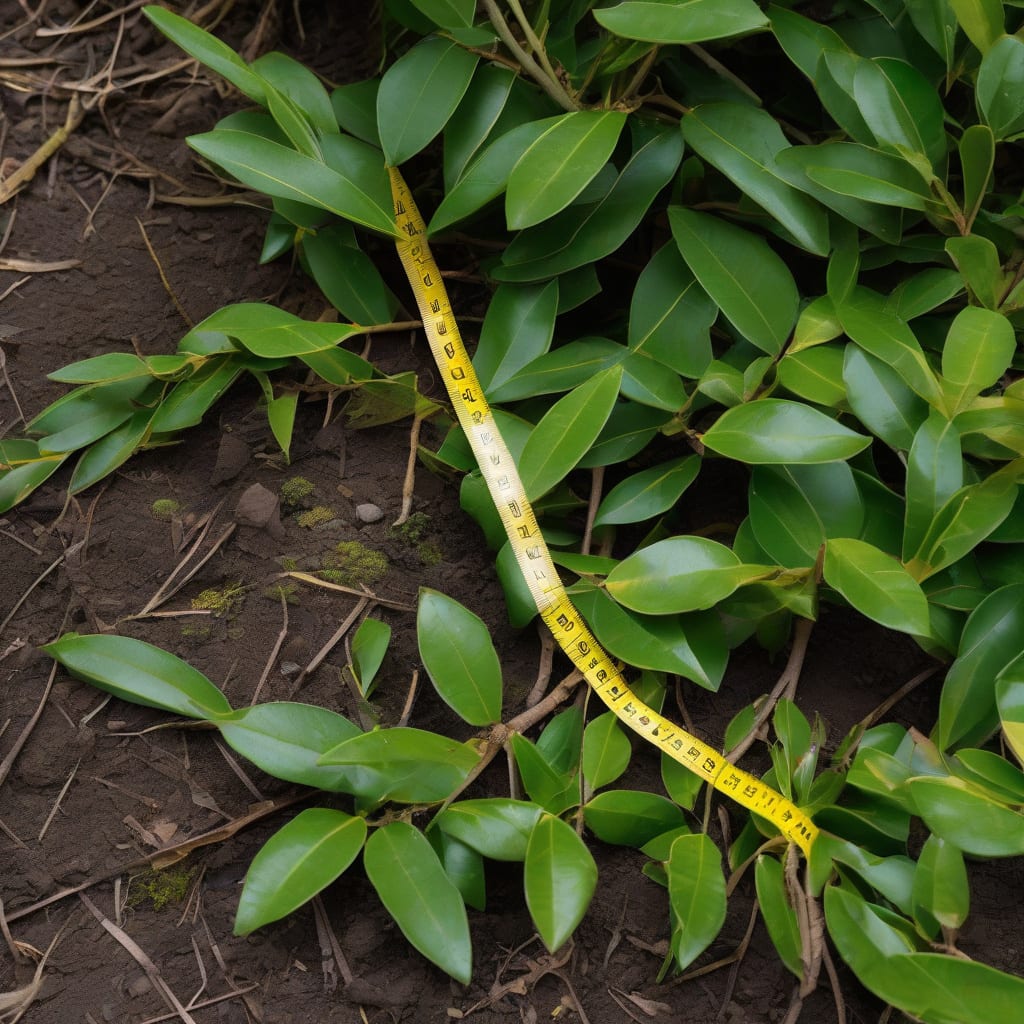
When planning your garden, understanding how tall your Laurel 🌿 will grow is crucial for proper spacing and maintenance. Laurel plants are known for their versatility and can grow significantly, making them perfect for hedges or landscaping features.
The height of Laurel can vary greatly depending on the specific variety and growing conditions. Let’s explore the factors that influence their growth and how you can manage their height effectively in your garden in USDA Zone 6.


Laurel plants are known for their versatility in landscaping, but their height can vary significantly based on several factors. Understanding these factors is crucial for proper garden planning and maintenance 🌿.
The height of laurel plants is influenced by various conditions including soil quality, sunlight exposure, and pruning practices. Let’s examine these factors in detail to understand how they impact laurel growth.
The soil conditions play a significant role in determining laurel height. Laurel plants thrive in well-draining soil that is rich in nutrients. Adequate nutrient supply ensures that the plants grow robustly and reach their maximum potential height. Poor soil quality can limit laurel growth, making it essential to amend the soil with organic matter if necessary.
Sunlight exposure is another critical factor. Laurel plants can grow in a range of light conditions, from partial shade to full sun. However, the amount of sunlight they receive can affect their growth rate and density. Plants grown in full sun tend to be denser and more compact, while those in partial shade may grow more vigorously but with less density.
Pruning practices are vital for managing laurel height. Regular pruning not only maintains the desired height but also encourages dense growth and prevents the plants from becoming leggy. Pruning should be done carefully to avoid damaging the plant and to achieve the desired shape.
The variety of laurel is also a crucial factor. Different species of laurel have different growth habits and maximum heights. For example, English laurel and cherry laurel are known to grow taller than some other varieties. Understanding the specific growth characteristics of your laurel variety is essential for planning and maintenance.
In addition to these factors, watering and fertilization practices can also influence laurel growth. Consistent moisture and balanced fertilization support healthy growth and help laurel plants reach their full height potential.
By understanding and managing these factors, you can optimize the growth of your laurel plants and achieve the desired height for your landscaping needs. Whether you’re growing laurel for privacy, decoration, or other purposes, careful planning and maintenance are key to success 🌿.
For more specific guidance on managing laurel height, consider consulting with a local gardening expert or referring to detailed gardening resources. They can provide tailored advice based on your specific conditions and needs.
Effective laurel management involves a combination of proper planting, regular maintenance, and adaptive pruning strategies. By following these guidelines, you can enjoy healthy, well-shaped laurel plants that enhance your garden’s beauty and functionality.
Regular monitoring of your laurel plants’ health and growth is essential. This allows you to make timely adjustments to their care and maintenance, ensuring they continue to thrive and meet your landscaping goals.
Laurel plants come in various species, each with its unique growth characteristics and maximum heights. Understanding these differences is essential for selecting the right variety for your landscaping needs 🌿.
The maximum height of laurel plants varies significantly across different species. English laurel is known for its vigorous growth, reaching heights of 30 to 60 feet. This makes it an ideal choice for creating tall hedges or privacy screens. Cherry laurel, on the other hand, typically grows between 15 to 30 feet, offering a more compact option while still providing substantial coverage. Portugal laurel is generally smaller, reaching heights of 10 to 20 feet, making it suitable for smaller gardens or more controlled landscaping needs 🌼.
When selecting a laurel variety, it’s crucial to consider not only the maximum height but also the growth rate. English laurel has a fast growth rate, requiring more frequent pruning to maintain the desired height. Cherry laurel grows at a medium rate, while Portugal laurel tends to grow slowly to moderately. Understanding these growth characteristics helps in planning the long-term maintenance of your laurel plants 🌱.
By choosing the appropriate laurel variety and understanding its growth potential, you can effectively plan your garden layout and maintenance schedule. Whether you need a tall hedge or a compact shrub, there’s a laurel variety that suits your needs. Proper planning and regular maintenance will ensure that your laurel plants thrive and achieve their maximum potential height 🌿.
For more detailed information on specific laurel varieties and their growth habits, consulting with a local horticulturist or referencing specialized gardening resources can provide valuable insights tailored to your specific climate and soil conditions.
Effective garden planning involves considering both the aesthetic and functional aspects of your landscaping. By understanding the growth patterns of different laurel varieties, you can create a beautiful and functional garden that meets your needs and enhances your outdoor space.
Maintaining the desired height of laurel plants is crucial for both aesthetic and functional purposes in your garden. Regular pruning techniques play a vital role in managing laurel height effectively 🌿.
Pruning not only helps in maintaining the desired height but also promotes dense growth and prevents the plants from becoming leggy. Understanding the best practices for pruning laurel is essential for gardeners who want to keep their plants healthy and well-shaped.
Evaluate the laurel plant’s current height and shape to determine the extent of pruning required.
Prune laurel plants regularly to maintain the desired height and encourage dense growth.
Use sharp, clean pruning tools to make precise cuts and minimize damage to the plant.
By following these pruning techniques, you can effectively manage the height of your laurel plants and maintain their health and appearance. Regular pruning not only keeps the plants at the desired height but also enhances their overall growth and density 🌼.
For more detailed guidance on pruning laurel plants, consider consulting with a local gardening expert or referring to specialized gardening resources. They can provide tailored advice based on your specific conditions and needs.
Effective laurel management involves a combination of proper planting, regular maintenance, and adaptive pruning strategies. By following these guidelines, you can enjoy healthy, well-shaped laurel plants that enhance your garden’s beauty and functionality.
