
Beautiful Plants For Your Interior
Beautiful Plants For Your Interior
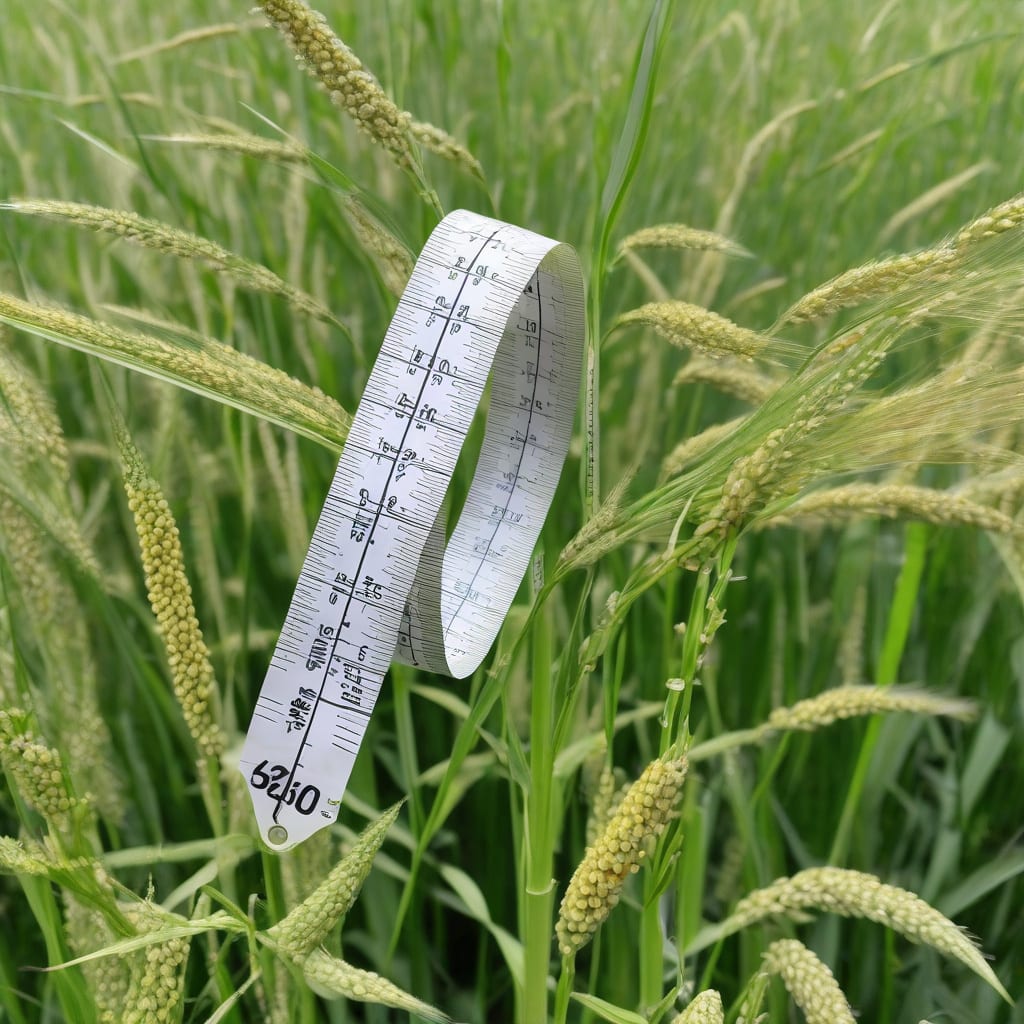
I’ve always been fascinated by the growth potential of Japanese Millet 🌾. This versatile crop can reach impressive heights, but understanding its growth patterns is key to successful cultivation.
Japanese Millet typically grows between 3-6 feet tall, making it a great choice for various garden settings in USDA Zone 6. Let’s explore what influences its height and how to optimize growing conditions.

Understanding the factors that influence Japanese millet height is crucial for gardeners and farmers. The height of Japanese millet plants can be affected by various environmental and cultivation factors 🌾.
Several key elements play a significant role in determining the height of Japanese millet. These include soil quality, sunlight exposure, watering practices, and nutrient availability. Let’s examine these factors in more detail.
The quality of the soil significantly impacts Japanese millet height. Well-draining soil with a good balance of nutrients is essential for promoting healthy growth. Soil that is too dense or lacks necessary nutrients can limit the plant’s potential height.
Sunlight exposure is another critical factor. Japanese millet requires full sun to achieve maximum height. This means the plants should receive at least 6 hours of direct sunlight per day. Insufficient sunlight can result in weaker, less robust plants that may not reach their full height potential.
Watering practices also play a vital role. Consistent moisture, especially during the early growth stages, is crucial for establishing a strong root system. This helps the plants to grow taller and healthier. However, overwatering can be detrimental, so it’s essential to maintain a balance.
Nutrient availability is another key factor. Using a balanced fertilizer (such as 10-10-10 NPK) can support optimal growth. Fertilization helps provide the necessary nutrients for the plants to grow to their maximum potential height.
In addition to these factors, other elements such as temperature and spacing can also influence Japanese millet height. Optimal temperatures and appropriate spacing between plants can contribute to healthier growth and potentially greater height 🌟.
By understanding and managing these factors, gardeners and farmers can create optimal conditions for Japanese millet to reach its full height potential. Proper care and attention to these details can make a significant difference in the overall health and productivity of the crop.
Japanese millet’s growth is a complex process influenced by multiple factors. By focusing on the key elements discussed, growers can maximize their crop’s height and overall performance 🌿.
Understanding the average height range of Japanese millet plants is essential for gardeners and farmers to plan their cultivation effectively. The height of Japanese millet can vary based on several factors, including variety, growing conditions, and cultivation practices 🌾.
Typically, Japanese millet grows to a height of 3 to 6 feet. This range allows for flexibility in different gardening and farming scenarios. Let’s explore the factors that influence this height range and how to optimize growing conditions for maximum height 🌟.
Different varieties of Japanese millet can have varying height potentials. Some may be bred for taller growth, while others might be more compact 🌿.
Environmental factors such as soil quality, sunlight exposure, and watering practices play a crucial role in determining the height of Japanese millet 🌱.
Proper spacing, fertilization, and pest management can contribute to healthier plants that reach their maximum height potential 🌼.
The average height range of 3 to 6 feet for Japanese millet provides a good starting point for gardeners and farmers. By understanding the factors that influence height and implementing optimal growing conditions, it’s possible to maximize the height and overall health of the crop 🌾.
For gardeners looking to grow Japanese millet, understanding its potential height is crucial for planning garden layouts and ensuring proper spacing between plants. Farmers can use this information to optimize field planting strategies and improve crop management 🌟.
By focusing on the key factors that influence Japanese millet height, growers can create optimal conditions for the crop to reach its full potential. This not only improves the overall health of the plants but also enhances their productivity and yield 🌿.
Japanese millet’s versatility in height makes it a valuable crop for various agricultural and gardening purposes. Whether you’re growing it for grain, forage, or as a cover crop, understanding its height range is an essential aspect of successful cultivation 🌾.
To maximize the height of Japanese millet, gardeners should focus on creating optimal growing conditions 🌾. This involves understanding the specific needs of the plant and implementing appropriate care practices.
One of the key factors in optimizing Japanese millet growth is ensuring it receives adequate sunlight. The crop thrives in full sun, requiring at least 6 hours of direct sunlight daily. This promotes healthy growth and helps the plants reach their maximum height potential.
For maximum height, maintain consistent moisture during early growth stages and use balanced fertilization (10-10-10 NPK) every 4-6 weeks 🌟.
Soil quality is another critical aspect. Japanese millet prefers well-draining soil rich in nutrients. Ensuring the soil has a good balance of essential nutrients will support healthy growth and maximize height.
Watering practices play a significant role in the growth of Japanese millet. Consistent moisture, particularly during the early stages, is vital. However, it’s essential to avoid overwatering, which can be detrimental to the plants.
Nutrient management is also crucial. Using a balanced fertilizer can provide the necessary nutrients for optimal growth. This helps in achieving the maximum height potential of the crop.
By focusing on these key areas, gardeners can create the optimal conditions necessary for Japanese millet to reach its full height potential 🌿.
