
Beautiful Plants For Your Interior
Beautiful Plants For Your Interior
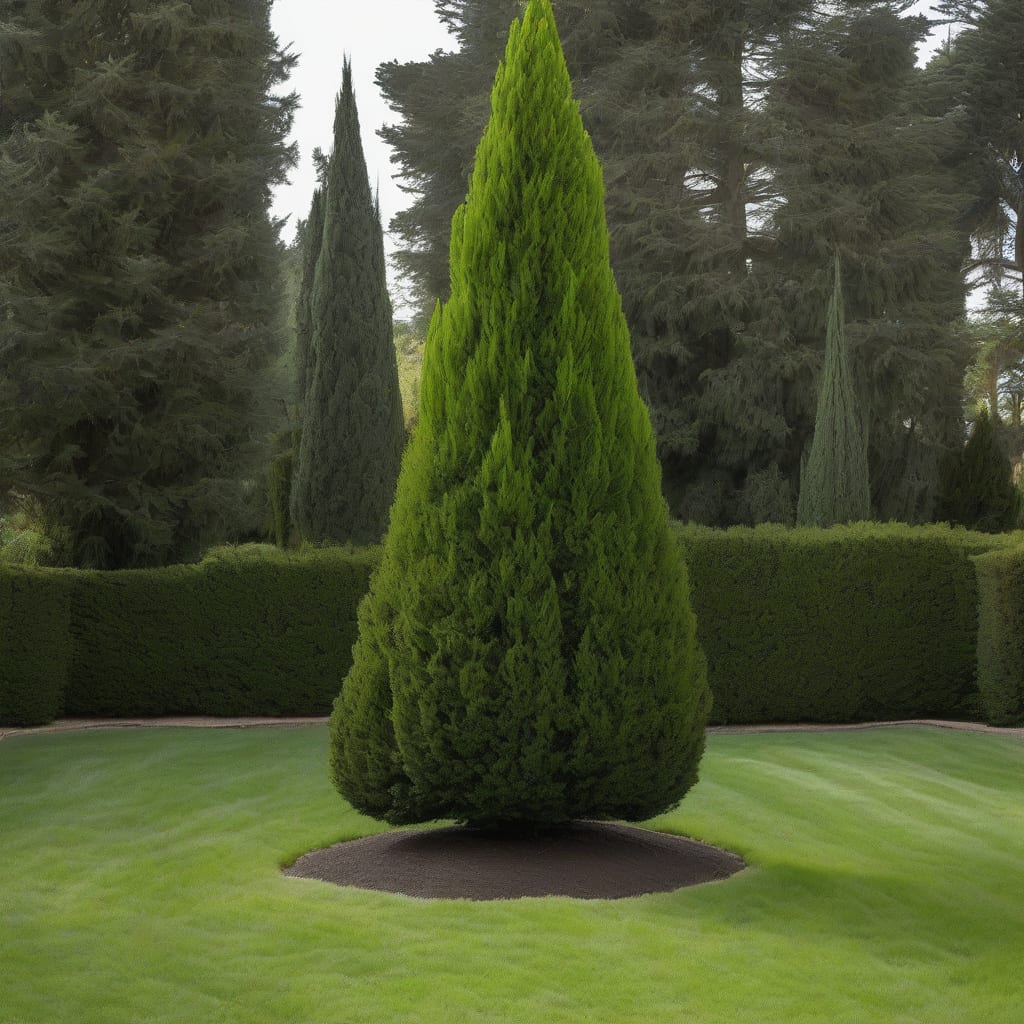
Italian Cypress trees 🌳 are known for their impressive height and columnar shape, making them a popular choice for landscaping. They can grow quite tall, but their exact height depends on various factors.
I’ll guide you through the growth habits and maintenance requirements of Italian Cypress trees, helping you understand how to manage their height effectively in your garden or landscape in USDA Zone 6.


Italian Cypress trees are known for their impressive height and columnar shape, making them a popular choice for landscaping. They can grow quite tall, typically reaching heights between 40 to 60 feet under ideal conditions.
The maximum height potential of Italian Cypress trees depends on various factors, including soil quality, watering, pruning practices, and climate conditions. In optimal environments, these trees can grow even taller, sometimes exceeding 70 feet in height.
Italian Cypress trees are considered tall trees, with mature specimens often towering above other landscape features. Their height is one of their most distinctive characteristics, making them ideal for creating dramatic vertical elements in garden design 🌳.
The height of Italian Cypress trees is influenced by their growth rate, which can range from 3 to 5 feet per year under optimal conditions. Factors such as soil quality, watering, and pruning practices all play a role in determining the ultimate height of these trees.
In ideal conditions, with full sun and well-draining soil, Italian Cypress trees can achieve their maximum height potential. They are relatively drought-tolerant once established, but consistent watering promotes the best growth.
To achieve the maximum height potential of Italian Cypress trees, it’s essential to provide them with full sun and well-draining soil. Regular pruning can also help maintain their desired height and shape, making them a versatile choice for various landscaping needs 🌿.
Italian Cypress trees are a popular choice for landscaping due to their striking columnar shape and impressive height. They can be used as privacy screens, windbreaks, or simply as ornamental specimens in garden design.
By understanding the growth habits and maintenance requirements of Italian Cypress trees, gardeners can make informed decisions about incorporating these trees into their landscapes, ensuring they achieve their maximum height potential while maintaining their desired shape and size.
Overall, Italian Cypress trees are a valuable addition to many landscapes, providing year-round structure and interest with their tall, columnar forms. Their ability to grow to significant heights makes them particularly useful for creating dramatic vertical elements in garden design 🏠.
In conclusion, Italian Cypress trees have the potential to grow quite tall, typically reaching heights between 40 to 60 feet, with some specimens exceeding 70 feet under ideal conditions. By providing the right growing conditions and regular maintenance, gardeners can help these trees achieve their maximum height potential 🌟.
Italian Cypress trees are known for their impressive height, but several factors can influence their growth. Understanding these factors is crucial for gardeners who want to optimize the height of their Italian Cypress trees.
By understanding and managing these factors, gardeners can optimize the growth and height of their Italian Cypress trees. Proper care and maintenance are key to achieving the desired height and maintaining the health of these beautiful trees 🌳.
Italian Cypress trees are a popular choice for landscaping due to their striking columnar shape and impressive height. By providing the right growing conditions and regular maintenance, gardeners can help these trees achieve their maximum height potential.
In conclusion, Italian Cypress trees can grow quite tall when given the right conditions. Factors such as soil quality, watering, pruning practices, and climate conditions all play a role in determining their ultimate height 🌟.
Managing the height of Italian Cypress trees is crucial for maintaining their aesthetic appeal and ensuring they fit within your landscape design. These trees can grow quite tall, typically reaching heights between 40 to 60 feet, so controlling their height is essential.
Prune your Italian Cypress trees regularly to maintain their desired height and shape. Pruning in early spring or fall is recommended to avoid stressing the tree ✂️.
One effective way to manage the height of Italian Cypress trees is through regular pruning. Pruning not only helps control the height but also maintains the tree’s columnar shape, making it a versatile choice for various landscaping needs.
Planting density is another factor to consider when managing Italian Cypress height. Planting multiple trees closer together can create a denser screen, but it may also require more frequent pruning to maintain the desired height and shape 🌳.
Growth management strategies, such as regular watering and fertilization, can also impact the height of Italian Cypress trees. Consistent moisture and balanced fertilization promote healthy growth, allowing you to achieve the desired height while maintaining the tree’s overall health 🌿.
By understanding how to manage the height of Italian Cypress trees through pruning, planting density, and growth management strategies, gardeners can effectively incorporate these trees into their landscapes, ensuring they achieve their desired height and maintain their aesthetic appeal 🌟.
