
Beautiful Plants For Your Interior
Beautiful Plants For Your Interior
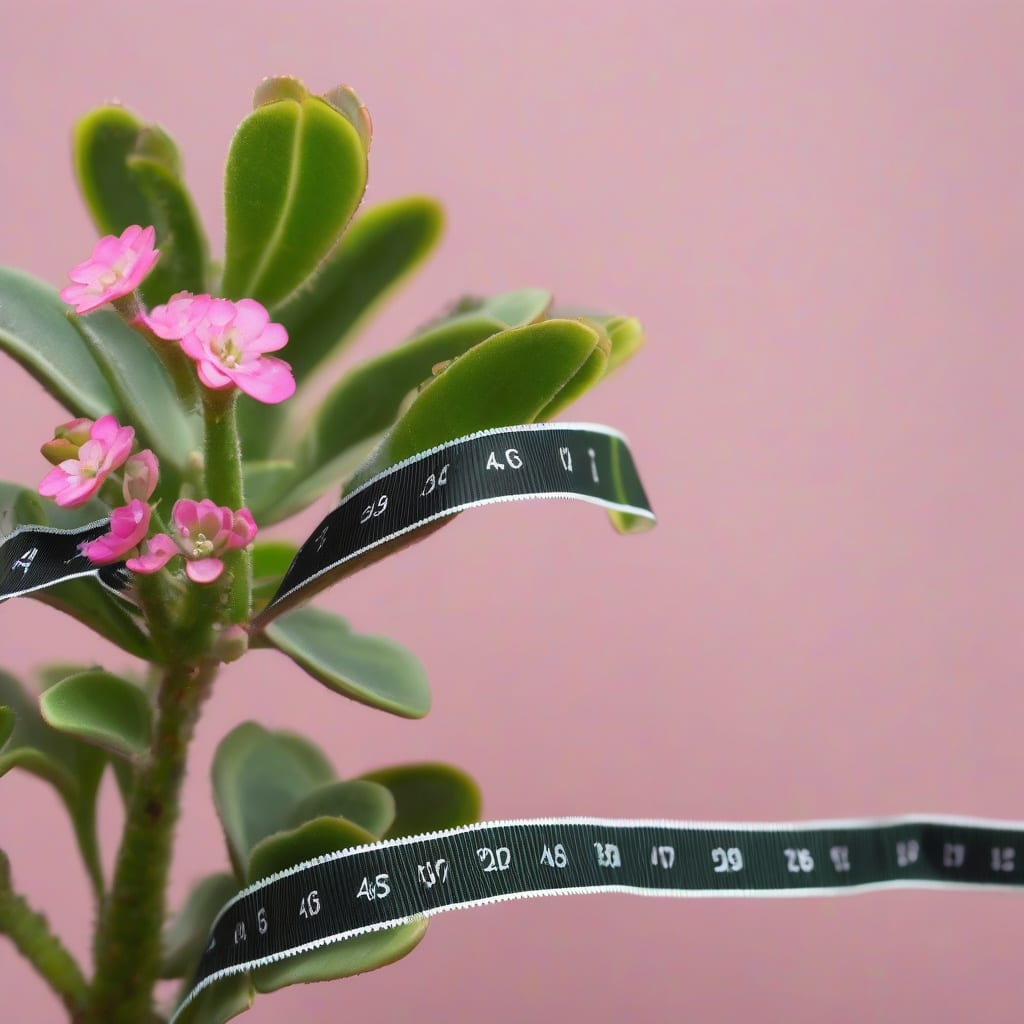
As I care for my Kalanchoe 💐, I’m often asked about its growth potential. These beautiful succulents can add a vibrant touch to any space, but understanding their height is key to proper placement.
Kalanchoe plants typically grow between 1-3 feet tall, making them perfect for small pots or hanging baskets. Factors like light, watering, and pruning can influence their height, and I’ll explore these in detail to help you manage your plant’s growth effectively.

Kalanchoe plants are known for their compact growth habit, typically reaching heights between 1-3 feet. The exact height can vary depending on the specific variety, growing conditions, and care practices. Some compact varieties remain under 1 foot, while others can grow up to 3 feet tall in ideal conditions.
The average height range for most kalanchoe plants is between 1-2 feet, making them suitable for small pots, hanging baskets, or indoor containers. Their relatively small size makes them perfect for adding a touch of color to any room without taking up too much space 🌼.
The height of Kalanchoe plants is influenced by several factors, including light exposure, watering practices, and pruning techniques. Understanding these factors is crucial for managing the plant’s height effectively and promoting healthy growth 🌱.
Light exposure plays a significant role in determining the height of Kalanchoe plants. When grown in bright, indirect light, these plants tend to grow more compactly, while low light conditions can lead to leggy growth as the plant stretches towards the light source.
Watering practices also impact the height of Kalanchoe plants. Overwatering can cause the plant to become leggy and weak, while underwatering can result in stunted growth. Finding the right balance is key to maintaining a healthy, compact plant 💧.
Pruning is another effective way to manage the height of Kalanchoe plants. By regularly trimming back leggy stems and removing spent flowers, you can encourage bushier growth and maintain a more compact shape ✂️.
In addition to these factors, the overall health of the plant also affects its height. Kalanchoe plants grown in well-draining soil with adequate nutrients tend to grow more vigorously and maintain a healthier, more compact shape.
By understanding the factors that influence the height of Kalanchoe plants and implementing proper care practices, you can effectively manage your plant’s growth and enjoy its vibrant blooms for years to come 🌼.
Kalanchoe plants are relatively low-maintenance and can thrive in a variety of conditions, making them a popular choice for gardeners of all skill levels. With proper care and attention, these plants can add beauty and color to any space 🌺.
Understanding the factors that influence Kalanchoe plant height is crucial for effective care. Several key elements can affect how tall these plants grow, including light exposure, watering practices, and soil quality. By managing these factors, you can promote healthy growth and maintain your desired plant height 🌼.
Kalanchoe plants are sensitive to their environment. Proper care can help maintain their desired height and promote vibrant blooms.
Light exposure significantly affects Kalanchoe height. Plants grown in bright, indirect light tend to stay more compact, while those in low light may stretch and become leggy. For optimal growth, place your Kalanchoe in a spot with 4-6 hours of indirect sunlight daily ☀️.
Watering practices also play a critical role. Overwatering can lead to weak, leggy growth, while underwatering may stunt the plant’s development. Water your Kalanchoe every 7-10 days, ensuring the soil is moist but not waterlogged 💧.
The quality of the soil is another important factor. Kalanchoe plants thrive in well-draining soil with adequate nutrients. Using a succulent-specific potting mix can help maintain the right balance and support healthy growth 🌱.
Temperature is another consideration. Kalanchoe plants prefer temperatures between 65°F to 75°F (18°C to 24°C). Avoid placing them in areas with extreme temperature fluctuations to keep your plant healthy and compact 🌡️.
By understanding and managing these factors, you can effectively control your Kalanchoe’s height and enjoy its beautiful flowers for longer periods 🌺.
Regular monitoring and adjustments to your care routine will help ensure your Kalanchoe remains healthy and thrives in its environment. With the right care, these plants can be a delightful addition to any indoor space, providing vibrant color and texture 🌿.
Managing the height of Kalanchoe plants is crucial for maintaining their aesthetic appeal and promoting healthy growth. By implementing proper care techniques, you can control the height of your Kalanchoe and encourage bushier, more vibrant plants 🌼.
Trim back leggy stems to encourage bushier growth and maintain a compact shape ✂️.
Repot your Kalanchoe every 2-3 years to refresh the soil and provide a larger pot if necessary, supporting healthy root development 🌱.
Ensure your Kalanchoe receives 4-6 hours of bright, indirect light daily to prevent leggy growth and promote compactness ☀️.
By following these steps, you can effectively manage the height of your Kalanchoe plants and enjoy their beautiful, vibrant blooms for longer periods 🌺.
Regular care and attention to your Kalanchoe’s needs will help ensure it remains healthy and thrives in its environment, adding beauty and color to your space 🌿.
Proper care is essential for maintaining the desired height and overall health of your Kalanchoe. With the right techniques, you can enjoy a thriving, compact plant that enhances your indoor decor 💐.
