
Beautiful Plants For Your Interior
Beautiful Plants For Your Interior
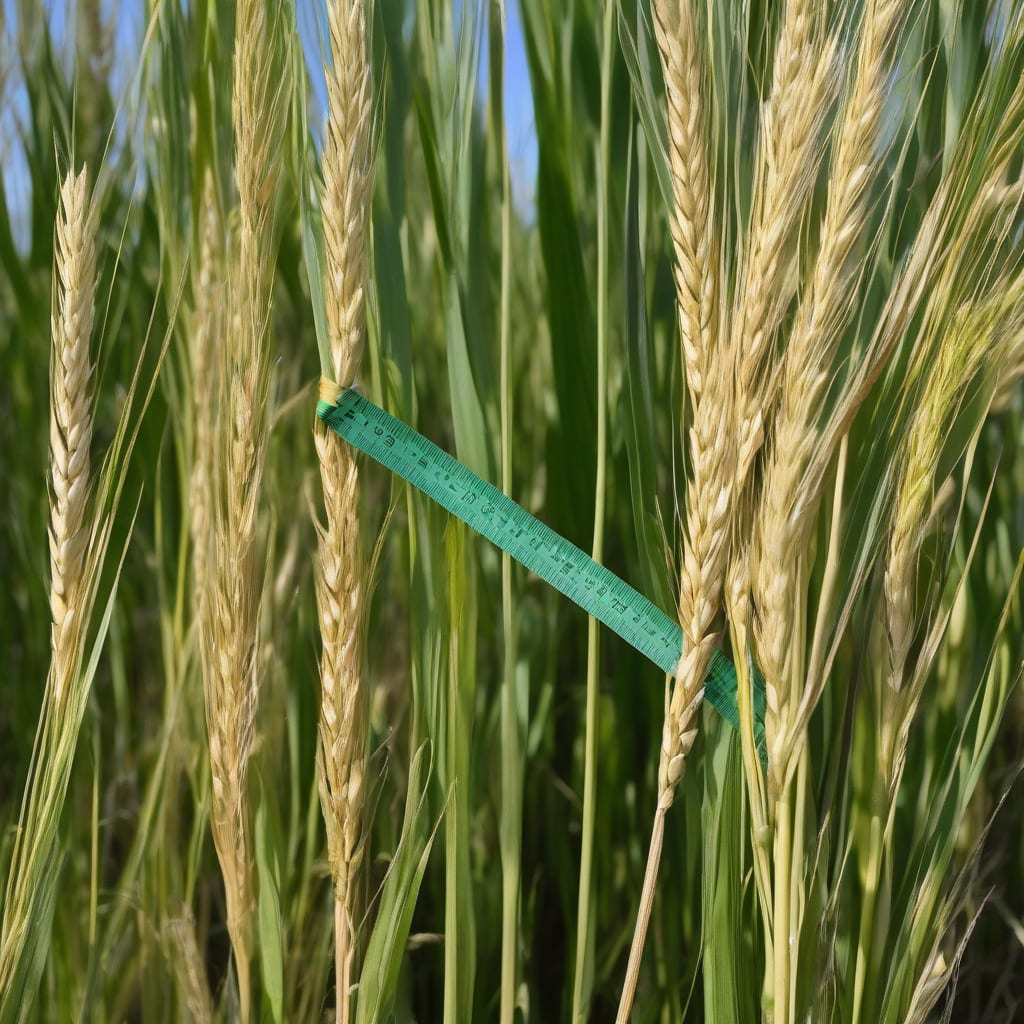
As I explore the world of 🌾 Egyptian Wheat, I’m struck by its remarkable growth potential. Growing in Egypt’s arid climate, this resilient crop can reach impressive heights, making it a fascinating subject for gardeners and farmers alike.
Understanding how tall Egyptian Wheat can grow is crucial for optimizing its cultivation – typically reaching between 2 to 4 feet tall, depending on conditions in USDA Zone 10. Let’s dive into the factors that influence its height and how to make the most of this ancient crop.

2-3 ft

3-4 ft

Not applicable

3-4 ft
The height of Egyptian wheat is influenced by several key factors that farmers and gardeners need to consider for optimal cultivation. Understanding these elements is crucial for achieving the desired plant height and maximizing yield potential in USDA Zone 10.
Climate conditions play a significant role in determining wheat height. Egyptian wheat thrives in arid climates with full sun exposure, requiring 6+ hours of direct sunlight daily. Temperature fluctuations during growth stages also impact final plant height.
Agricultural practices significantly affect wheat height. Proper planting depth and spacing are crucial for achieving optimal growth. Egyptian wheat is typically sown 1-2 inches deep and 6 inches apart during the recommended planting window of October to November.
The specific wheat variety also influences final height. Modern cultivars have been developed to optimize height for different agricultural needs, ranging from 2 to 4 feet tall. Farmers must select varieties that best suit their local growing conditions and harvesting equipment.
Seasonal variations and regional climate differences also impact wheat height. Egyptian wheat is planted during the cooler months (October-November) and harvested in late winter to early spring (February-April), which affects its overall growth pattern and final height.
By understanding these factors, farmers and gardeners can better manage their Egyptian wheat crops to achieve optimal height and maximize their yield potential 🌾.
The ideal growing conditions for Egyptian wheat include full sun and consistent moisture, particularly during critical growth stages. Proper soil preparation and fertilization also contribute to healthy plant development and optimal height.
Farmers should monitor their crops regularly to adjust their management practices as needed. This might include adjusting irrigation schedules based on weather conditions or applying additional nutrients if soil tests indicate deficiencies.
By carefully managing these factors, growers can optimize the height of their Egyptian wheat crops, leading to better harvests and more efficient farming practices.
Regular monitoring and adaptation to changing conditions are key to successful wheat cultivation. This includes being prepared to address any challenges that arise during the growing season.
Effective crop management strategies can help mitigate potential issues and ensure a healthy, productive crop.
In conclusion, the height of Egyptian wheat is influenced by a combination of environmental factors and agricultural practices. By understanding and managing these elements, farmers can optimize their wheat crops for better yields and more efficient harvesting.
Egyptian wheat varieties typically grow between 2 to 4 feet tall, with some cultivars reaching heights of up to 4.5 feet under optimal conditions 🌾.
The average height range is influenced by factors such as soil quality, irrigation practices, and fertilization. Understanding these factors is crucial for achieving the desired plant height and maximizing yield potential.
Most Egyptian wheat varieties grow between 2 to 3 feet tall, making them suitable for various agricultural practices.
Under optimal conditions, some varieties can reach heights of up to 4 feet or more, resulting in higher yields.
Farmers can select varieties that best suit their local growing conditions and harvesting equipment to optimize height and yield.
The height of Egyptian wheat is a critical factor in determining its suitability for different agricultural practices. By understanding the average height range of various cultivars, farmers can make informed decisions about planting, maintenance, and harvesting.
Egyptian wheat is known for its resilience in arid climates, making it an ideal crop for regions with limited water resources. Its height is influenced by factors such as soil quality, irrigation practices, and fertilization.
Farmers should consider these factors when selecting a variety to plant, as they can significantly impact the final height and yield of the crop.
In addition to its height, Egyptian wheat is also valued for its nutritional content and versatility in various culinary applications.
By optimizing growing conditions and selecting the right variety, farmers can maximize their yields and produce high-quality wheat for both domestic consumption and international markets.
Overall, understanding the average height range of Egyptian wheat varieties is essential for successful cultivation and harvesting of this important crop 🌾.
To achieve optimal height in Egyptian wheat, farmers must carefully manage growing conditions. The crop requires full sun exposure and consistent moisture during critical growth stages 🌾.
Monitor soil moisture regularly and adjust irrigation schedules accordingly to maintain optimal growing conditions.
Proper soil preparation is essential for healthy plant development. Egyptian wheat thrives in well-draining soil with adequate nutrients. Farmers should test their soil regularly to determine its nutrient content and pH level.
Fertilization plays a critical role in promoting healthy growth and optimal height. A balanced fertilizer with equal parts nitrogen, phosphorus, and potassium (NPK) is recommended. The ideal NPK ratio for Egyptian wheat is 10-10-10.
Farmers should apply fertilizer during the early growth stages, typically during the fall season (October-November). The recommended application rate is 1 cup per 10 square feet.
By optimizing growing conditions and managing factors such as soil quality, irrigation, and fertilization, farmers can achieve the desired height in their Egyptian wheat crops and maximize their yields 🌾.
