
Beautiful Plants For Your Interior
Beautiful Plants For Your Interior
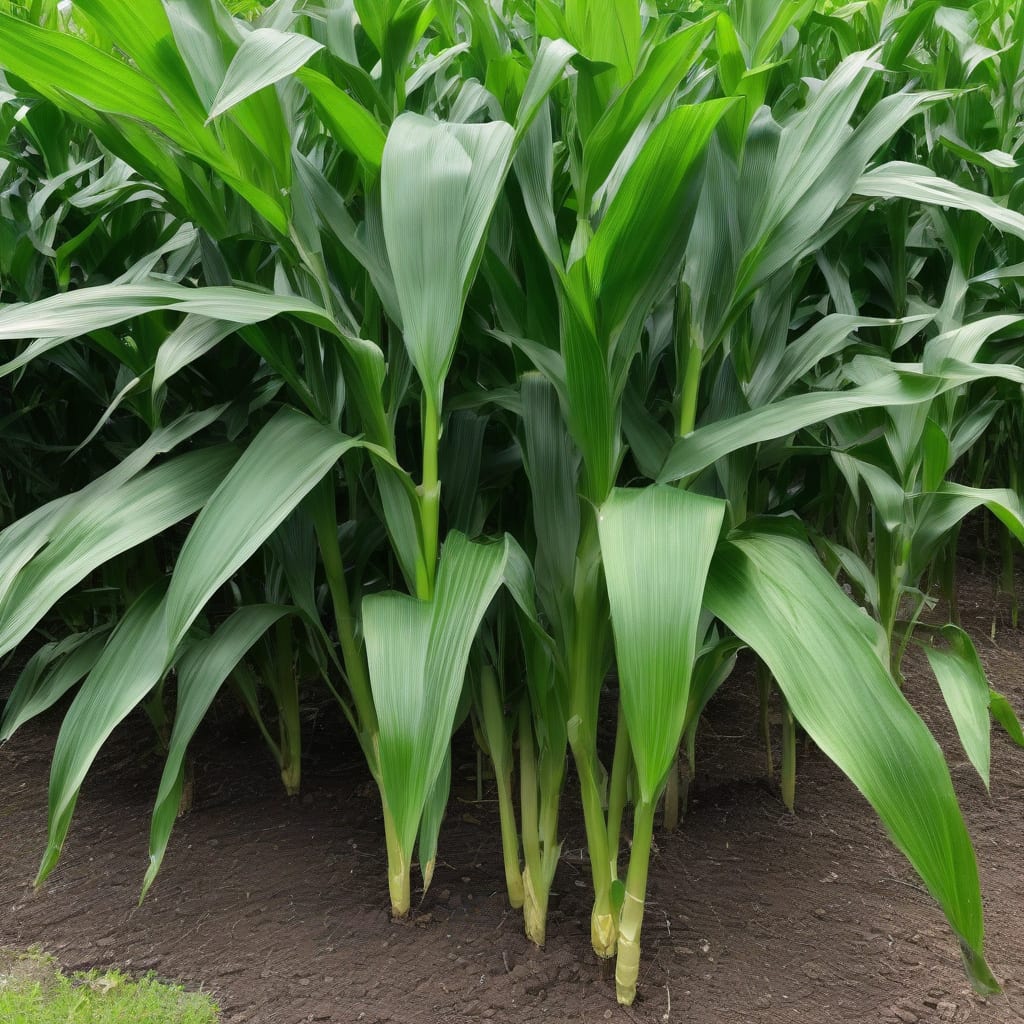
Growing Corn 🌽 can be a rewarding experience, but have you ever wondered how tall these plants can actually grow? Understanding corn plant height is crucial for maximizing yield and planning garden space effectively in USDA Zone 6.
Corn plants can reach impressive heights, typically between 6-10 feet, making them a striking addition to any garden. Let’s explore the factors that influence their growth and how to support them to achieve their full potential.

Corn plants can grow to varying heights depending on several factors. Understanding these factors is crucial for maximizing yield and planning garden space effectively. The height of corn plants can range from 6-10 feet, making them a significant presence in any garden.
The primary factors that influence corn plant height include genetics, soil quality, climate conditions, and farming practices. Let’s explore these factors in more detail to understand their impact on corn plant growth.
The genetic makeup of a corn variety plays a significant role in determining its potential height. Some varieties are bred for taller growth, while others may be more compact. Understanding the specific characteristics of the variety you’re growing is essential for managing expectations about its final height 🌽.
Soil quality is another critical factor that affects corn plant height. Corn requires nutrient-rich soil with good drainage to grow tall and healthy. Soil rich in organic matter and essential nutrients like nitrogen, phosphorus, and potassium supports healthy growth and helps plants achieve their maximum height. Proper soil preparation, including tilling and adding compost, can significantly impact corn plant height 🌱.
Climate conditions, including temperature and sunlight exposure, also significantly impact corn plant growth. Corn requires warm temperatures and adequate sunlight to grow tall. Regions with long growing seasons and plenty of sunlight typically see taller corn plants. Understanding the local climate and choosing appropriate planting times can help maximize corn plant height ☀️.
Farming practices, such as planting density, watering, and fertilization, also influence corn plant height. Proper spacing allows plants to receive adequate sunlight and nutrients, while consistent watering and fertilization support healthy growth. Implementing best practices in these areas can help achieve optimal corn plant height 🌾.
By understanding and managing these factors, gardeners can create optimal conditions for their corn plants to grow tall and healthy. This not only maximizes yield but also enhances the overall gardening experience.
Corn plants that receive proper care and are grown in favorable conditions can reach their full height potential, providing a bountiful harvest. Monitoring and adjusting growing conditions as needed can help ensure that corn plants achieve their maximum height 🌱.
In conclusion, the height of corn plants is influenced by a combination of genetic, environmental, and management factors. By understanding and addressing these factors, gardeners can optimize conditions for their corn plants to grow tall and thrive.
For more information on growing corn and maximizing its height, consider exploring additional resources on gardening best practices and corn cultivation techniques. This can provide further insights into achieving optimal growth and yield 🌼.
To achieve maximum corn plant height, it’s essential to focus on proper soil preparation, adequate watering, and balanced fertilization. These elements work together to create optimal growing conditions for corn plants to reach their full potential.
Test your soil to determine its nutrient content and pH level. Add organic matter like compost to improve soil structure and fertility.
Corn plants need consistent moisture, especially during pollination. Water deeply once or twice a week, depending on weather conditions.
Apply a balanced fertilizer (e.g., 10-10-10 NPK) at planting time and again when plants are about knee-high. This promotes healthy growth and maximizes height 🌽.
In addition to these key practices, proper spacing is crucial for allowing corn plants to receive adequate sunlight and air circulation. Plant corn in blocks rather than long rows to improve pollination and ear formation 🌾.
By implementing these expert gardening tips, you can create an optimal environment for your corn plants to grow tall and healthy, ultimately leading to a more bountiful harvest 🌼.
Monitoring your corn plants regularly and adjusting your care routine as needed can help ensure they reach their maximum height potential 🌱.
For more detailed information on corn cultivation and additional gardening tips, consider exploring further resources on gardening best practices and corn-specific growing techniques.
Growing corn to its maximum height can be challenging due to various factors. Understanding these challenges is crucial for developing effective strategies to overcome them and achieve optimal growth 🌽.
Several common issues can impact corn plant height, including nutrient deficiencies, pest damage, and adverse weather conditions. Let’s explore these challenges and how to address them.
Corn plants require a balanced diet of nutrients to grow tall and healthy. Deficiencies in nitrogen, phosphorus, or potassium can limit growth and reduce yield. Regular soil testing can help identify potential deficiencies.
Pest damage is another significant challenge that can affect corn plant height. Pests like corn borers and armyworms can cause significant damage to plants, stunting their growth. Implementing integrated pest management strategies, such as crop rotation and using resistant varieties, can help mitigate these issues 🌾.
Weather conditions, such as drought, excessive rain, or extreme temperatures, can also impact corn plant height. While some weather-related challenges are unavoidable, practices like mulching and irrigation management can help mitigate their effects. Monitoring weather forecasts and being prepared to take action can also help protect your corn crop 🌼.
By understanding these common challenges and implementing strategies to address them, gardeners can better support their corn plants in achieving maximum height and yield. Regular monitoring and proactive management are key to overcoming these obstacles and ensuring a successful harvest 🌱.
For more information on managing common challenges in corn cultivation, consider exploring additional resources on gardening best practices and corn-specific growing techniques.
