
Beautiful Plants For Your Interior
Beautiful Plants For Your Interior
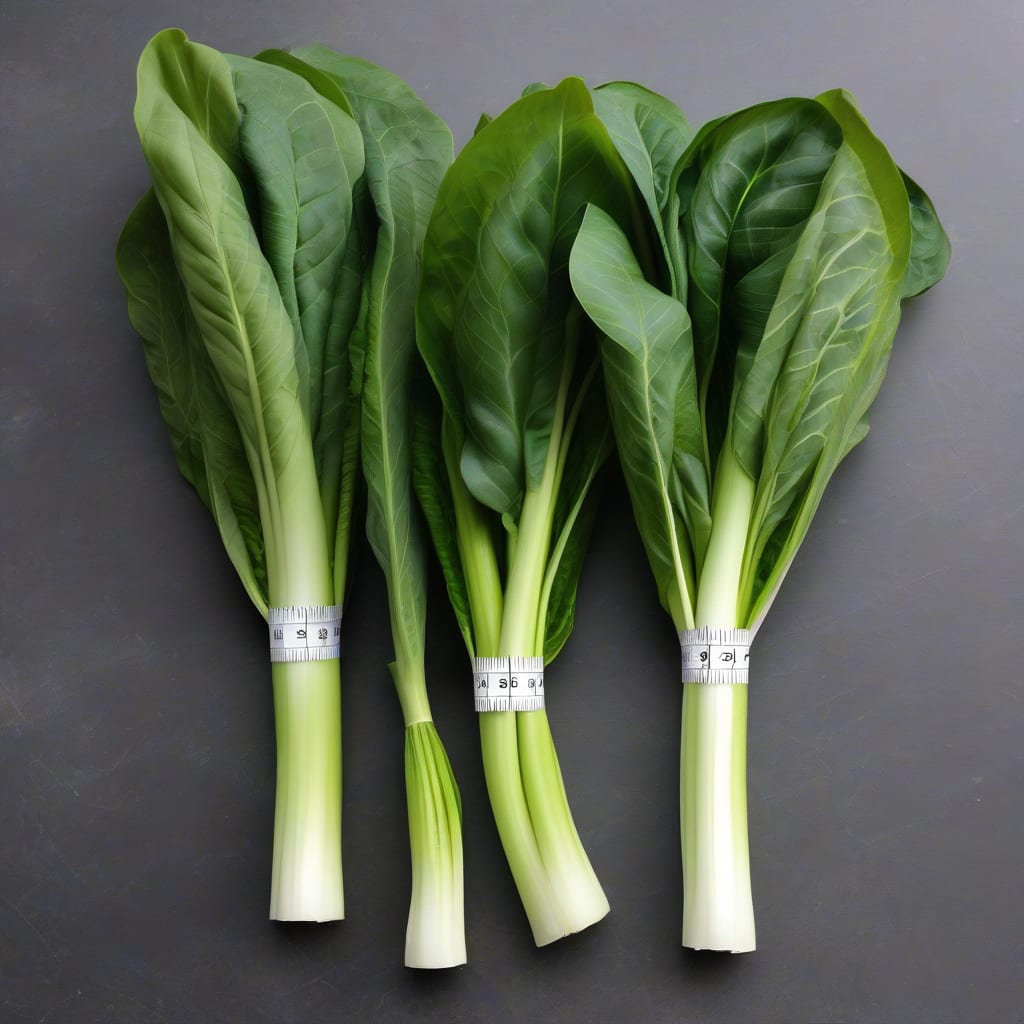
As a gardener, I’ve always been fascinated by the versatility of 🥦 Bok Choy in various dishes. Growing in USDA Zone 6, this Asian green is a staple in my garden, adding both crunch and nutrition to my meals.
Understanding how tall Bok Choy grows is crucial for successful cultivation – typically reaching 1-2 feet in height. Let’s explore the factors that influence its growth and how to optimize conditions for a bountiful harvest.


Bok choy is a versatile Asian green that adds both crunch and nutrition to various dishes. Understanding its growth habits is crucial for successful cultivation. The height of bok choy is an important factor to consider when planning your garden layout 🌱.
I typically find that bok choy grows to be around 1-2 feet tall, which is roughly knee height. This compact growth makes it an excellent choice for small gardens or container gardening. The plant’s height can vary depending on the specific variety and growing conditions 🌿.
The growth habit of bok choy is characterized by its rapid development and compact structure. It typically forms a tight cluster of leaves at the base, which can be harvested before the plant reaches its full height. This growth pattern allows for successive planting and continuous harvesting throughout the growing season 🌼.
Several factors can influence the mature height of bok choy, including soil quality, light exposure, and watering consistency. Understanding these factors is key to optimizing the growth of your bok choy plants.
In my experience, bok choy grown in well-draining soil with adequate moisture tends to reach its full height potential. Conversely, plants grown in poor soil or under stressful conditions may not achieve their maximum height 🌿.
The growth rate of bok choy is generally quick, with most varieties maturing in as little as 20 days under optimal conditions. This rapid growth makes it an ideal crop for gardeners looking to achieve a quick harvest.
To maximize the height of your bok choy, ensure it receives consistent watering and is grown in fertile soil. Regular fertilization can also support healthy growth and help plants reach their full height potential 🚜.
It’s worth noting that while bok choy can be grown in a variety of conditions, it performs best in cooler temperatures. This makes it an excellent choice for spring or fall gardens, where it can be grown before or after the peak summer heat ☀️.
In conclusion, understanding the growth habits and height of bok choy is essential for successful cultivation. By providing optimal growing conditions and understanding the factors that influence its growth, gardeners can enjoy a bountiful harvest of this delicious and nutritious Asian green 🌽.
For gardeners looking to maximize their bok choy yield, consider implementing succession planting techniques. This involves planting new seeds every few weeks to ensure a continuous supply of fresh bok choy throughout the growing season 📆.
By following these guidelines and understanding the growth habits of bok choy, gardeners can enjoy a successful and productive harvest of this versatile crop 🌟.
Bok choy’s height and overall growth are influenced by several key factors that gardeners need to consider for successful cultivation. Understanding these elements is crucial for optimizing growing conditions 🌿.
The first critical factor is light exposure. Bok choy prefers partial shade, especially in warmer climates, as full sun can cause bolting. In my experience, providing 4-6 hours of indirect sunlight per day yields the best results 🌞.
Bok choy is a cool-season crop that thrives in temperatures between 40°F to 70°F (4°C to 21°C). Temperatures outside this range can affect its growth and height ❄️.
Temperature plays a significant role in bok choy’s growth. The ideal temperature range for bok choy is between 40°F to 70°F (4°C to 21°C). Temperatures that are too high or too low can negatively impact the plant’s height and overall health 🌡️.
Soil quality is another crucial factor. Bok choy prefers well-draining, fertile soil rich in organic matter. The soil should be kept consistently moist but not waterlogged, as this can lead to root rot and other issues 🌿.
Watering consistency is vital for bok choy’s growth. The soil should be kept consistently moist, with a good rule of thumb being to water every 3-4 days depending on weather conditions. This consistent moisture helps the plant reach its full height potential 💧.
Fertilization also impacts bok choy’s height. Using a balanced fertilizer (such as 10-10-10 NPK) every 2-3 weeks can support healthy growth. In my experience, starting fertilization after seedlings emerge gives the best results 🚜.
In conclusion, by understanding and managing these key factors, gardeners can create optimal conditions for bok choy to reach its full height potential and enjoy a healthy, productive harvest 🌽.
For gardeners looking to maximize their bok choy yield, consider implementing crop rotation techniques. This involves rotating bok choy with other crops to maintain soil health and reduce the risk of pests and diseases 📆.
By following these guidelines and understanding the factors that influence bok choy’s growth, gardeners can enjoy a successful and productive harvest of this versatile crop 🌟.
To achieve maximum height in bok choy, gardeners must optimize growing conditions through proper cultivation techniques. The key is creating an environment that supports healthy growth and consistent development 🌿.
First, ensure your bok choy receives adequate light. While it prefers partial shade, it still needs 4-6 hours of indirect sunlight daily. In my experience, placing bok choy near an east or west-facing window provides ideal light conditions 🌞.
Water every 3-4 days, keeping soil consistently moist but not waterlogged. This helps prevent root rot and supports healthy growth 💧.
Use a balanced fertilizer (10-10-10 NPK) every 2-3 weeks after seedlings emerge. This supports healthy growth and helps plants reach their full height potential 🚜.
Keep bok choy in temperatures between 40°F to 70°F (4°C to 21°C). Avoid extreme temperatures to prevent bolting or stunted growth ❄️.
By following these guidelines, gardeners can create optimal conditions for bok choy to reach its full height potential and enjoy a healthy, productive harvest 🌽.
For gardeners looking to maximize their bok choy yield, consider implementing succession planting techniques. This involves planting new seeds every few weeks to ensure a continuous supply of fresh bok choy throughout the growing season 📆.
By understanding and implementing these optimization techniques, gardeners can enjoy a successful and productive harvest of this versatile crop 🌟.
