
Beautiful Plants For Your Interior
Beautiful Plants For Your Interior
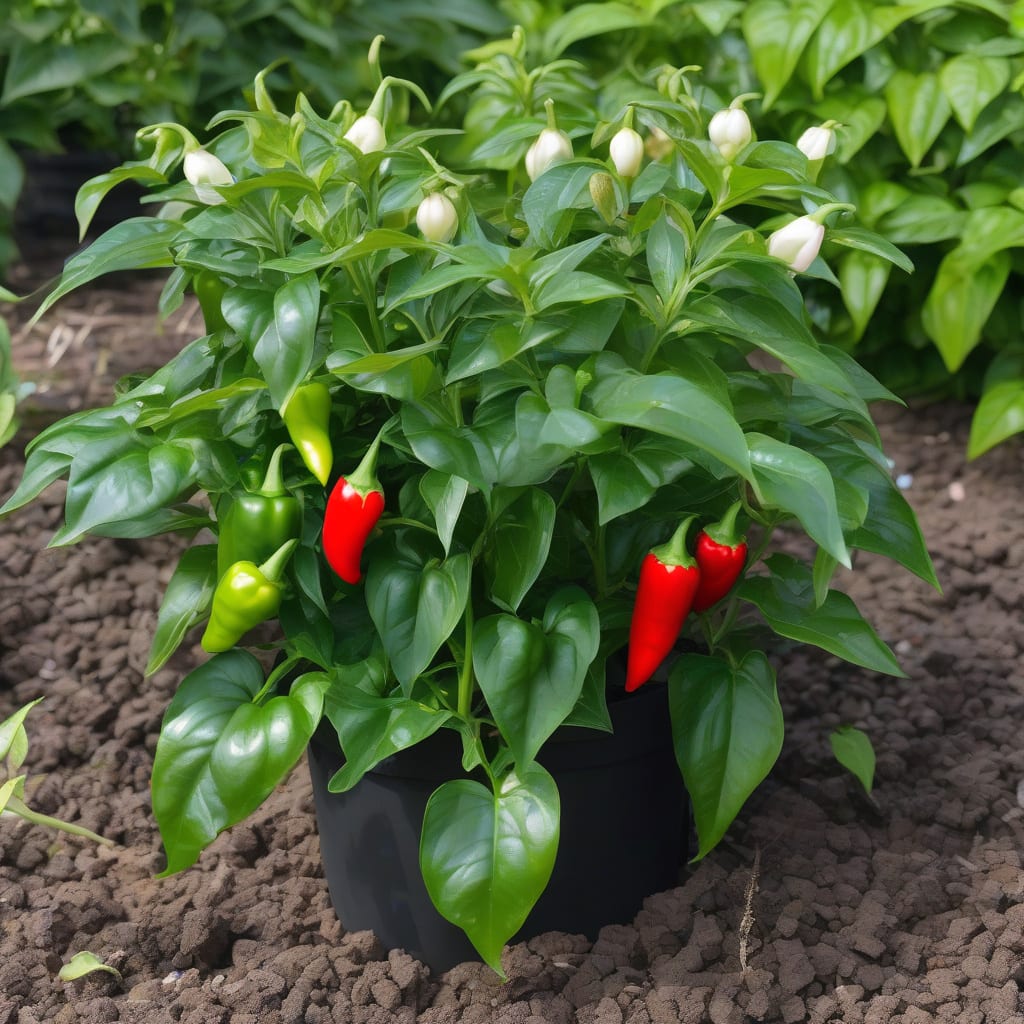
When growing Pepper 🌶️ plants, understanding their potential height is crucial for planning your garden layout. The average height of a Pepper plant can range from 2 to 4 feet, depending on the variety and growing conditions.
In USDA Zone 6, you can expect your Pepper plants to reach their full height during the growing season from May to September. Proper support and pruning can help maximize their growth potential and ensure a bountiful harvest.


The height of a pepper plant is influenced by several key factors, including the specific variety, growing conditions, and cultivation practices. Understanding these factors is crucial for maximizing plant growth and yield 🌶️.
Variety selection plays a significant role in determining pepper plant height. Different pepper varieties have unique growth habits, ranging from compact dwarf types to taller standard varieties. For example, dwarf pepper plants typically grow between 1-2 feet tall, while standard varieties can reach heights of 2-4 feet.
Growing conditions such as sunlight, temperature, and soil quality also significantly impact pepper plant height. Pepper plants require full sun and warm temperatures to grow optimally. Soil quality, including factors like nutrient availability and drainage, further affects plant growth.
Cultivation practices like pruning, watering, and fertilization are essential for managing pepper plant height. Pruning helps control plant size and promotes bushier growth, while adequate watering and balanced fertilization support overall plant health and development.
The combination of these factors determines the final height of a pepper plant. By selecting the right variety and optimizing growing conditions and cultivation practices, gardeners can influence the height and productivity of their pepper plants 🌱.
For example, providing support systems like stakes or cages can help manage plant height and prevent sprawling. Proper spacing between plants also ensures they receive adequate sunlight and air circulation, promoting healthier growth.
Understanding these factors allows gardeners to make informed decisions about their pepper plant care, ultimately leading to a more successful and productive harvest 🌶️.
By considering the specific needs of their pepper plants and adjusting their care strategies accordingly, gardeners can optimize plant growth and maximize their yield.
In conclusion, the height of a pepper plant is influenced by a combination of variety, growing conditions, and cultivation practices. By understanding and managing these factors, gardeners can promote healthy growth and achieve a bountiful harvest 🌼.
To manage pepper plant height effectively, gardeners can employ several strategies, including pruning techniques, support systems, and spacing strategies. These methods help control plant height while improving overall yield and plant health 🌿.
One effective way to manage pepper plant height is through pruning. Pruning involves removing certain parts of the plant to promote bushier growth and prevent excessive height. By pruning your pepper plants, you can encourage them to focus their energy on producing fruit rather than growing taller 🔥.
Support systems are another crucial element in managing pepper plant height. Using stakes or cages can help keep the plants upright and promote better fruiting. This is particularly important for taller pepper varieties that may become top-heavy with fruit 🌟.
Spacing strategies also play a vital role in managing pepper plant height. Proper spacing ensures that each plant receives adequate sunlight and air circulation, which can help prevent disease and promote healthier growth. For most pepper varieties, a spacing of 18-24 inches between plants is recommended 📏.
By implementing these strategies, gardeners can effectively manage the height of their pepper plants, leading to more productive and healthier plants. Proper management not only improves the overall yield but also makes it easier to care for the plants and harvest the peppers 🌼.
In addition to these methods, maintaining optimal growing conditions and practicing good cultivation techniques will further support the health and productivity of your pepper plants. This includes providing adequate water, balanced fertilization, and monitoring for pests and diseases 💧.
By combining these approaches, you can create an optimal growing environment for your pepper plants, ensuring they reach their full potential in terms of both height and productivity 🌟.
Growing pepper plants can be challenging, especially when it comes to managing their height. Several common mistakes can affect the height of your pepper plants, leading to stunted or excessively stretched growth 🌿.
Common errors like overwatering, poor soil quality, and inadequate support can significantly impact pepper plant height.
Overwatering is a common mistake that can lead to weak and spindly growth in pepper plants. When the soil is consistently waterlogged, the roots can become oxygen-deprived, causing the plant to become stressed and potentially leading to reduced growth or even plant death 💧.
Poor soil quality is another factor that can negatively impact pepper plant height. Soil that lacks essential nutrients or has poor drainage can limit plant growth. Ensuring your soil is well-draining and rich in organic matter can help promote healthy growth 🌱.
Inadequate support can also affect pepper plant height. Without proper support, tall pepper varieties can become top-heavy and prone to lodging, which can reduce their overall height and productivity. Using stakes or cages can help keep plants upright and promote better fruiting 🌟.
By avoiding these common mistakes, you can help ensure your pepper plants grow to their full potential. Proper care and attention to detail are key to achieving a bountiful harvest of delicious peppers 🌶️.
For optimal growth, it’s essential to provide your pepper plants with the right conditions, including adequate sunlight, balanced fertilization, and proper watering. By doing so, you can enjoy a healthy and productive pepper crop 🌼.
