
Beautiful Plants For Your Interior
Beautiful Plants For Your Interior
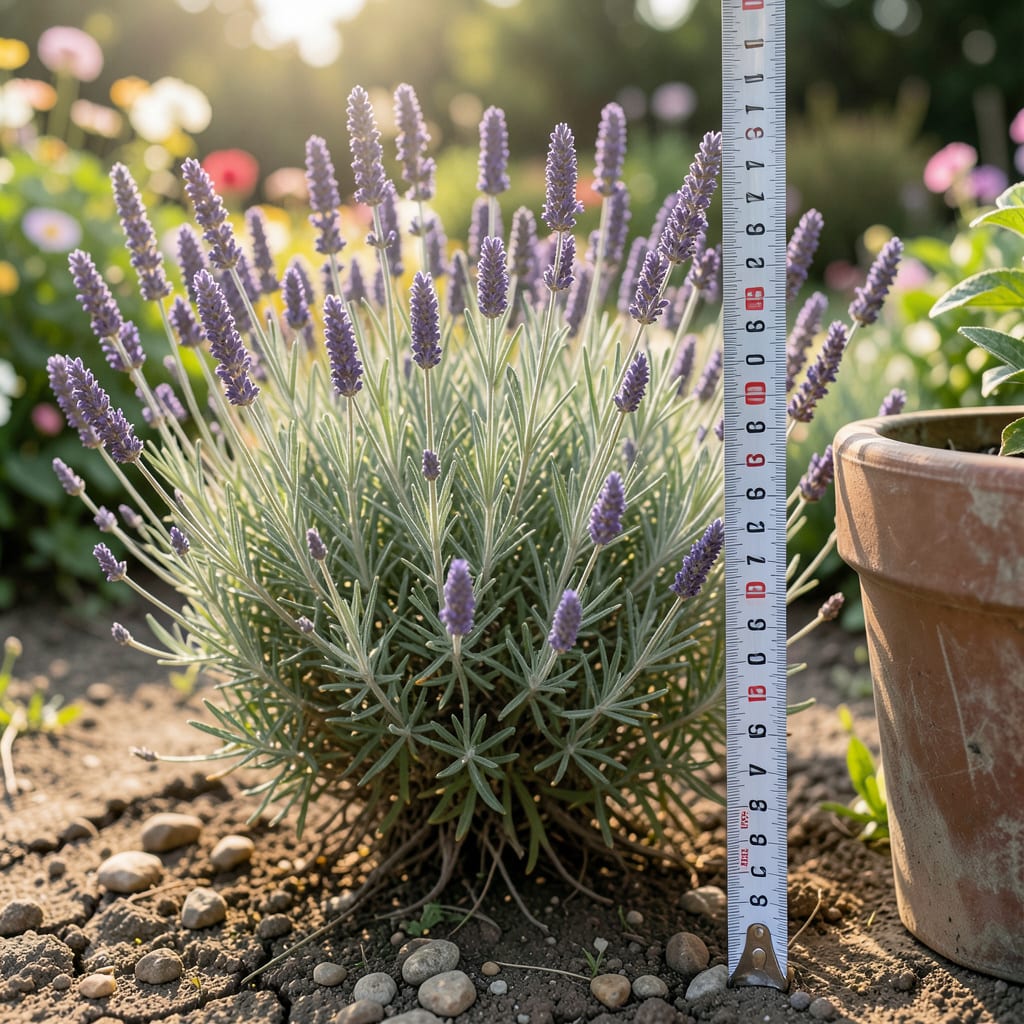
Lavender plants 🌿 are a beautiful addition to any garden, but have you ever wondered just how tall they‘ll grow? Understanding their growth patterns is crucial for proper placement and care in your garden landscape.
Typically, Lavender plants can grow between 1-4 feet tall, depending on the variety and growing conditions. Factors like soil quality, sunlight, and pruning practices all play a role in determining their mature height.


Lavender plants are known for their beautiful purple flowers and fragrant aroma, but their growth patterns can vary significantly based on several factors. Understanding these factors is crucial for gardeners to make informed decisions about plant placement and care.
The height of lavender plants can range from 1 to 4 feet, depending on the variety and growing conditions. Some compact varieties like Dwarf Lavender remain relatively small, while others can grow taller 🌿.
The variety of lavender is a significant factor in determining its height. Dwarf varieties are bred to be compact and remain smaller, while English Lavender and Spanish Lavender can grow taller.
Growing conditions also play a crucial role in lavender plant height. Soil quality is essential, as lavender prefers well-draining soil to prevent root rot. Soil that is too rich can cause the plant to become leggy.
Sunlight exposure is another critical factor. Lavender requires full sun to thrive, needing at least 6 hours of direct sunlight daily. Insufficient sunlight can lead to weak and leggy growth.
Watering practices are also vital. Overwatering can be detrimental, as lavender prefers dry to moderately moist soil. Proper watering helps maintain a healthy plant height.
Pruning practices significantly impact lavender height. Regular pruning helps maintain a compact shape and encourages new growth. Pruning after flowering can help control the plant’s height and promote bushier growth.
In summary, understanding the factors that affect lavender plant height is essential for gardeners. By choosing the right variety and providing appropriate growing conditions, gardeners can manage the height of their lavender plants effectively.
For more specific guidance on managing lavender height, consider the following key factors: variety selection, soil preparation, sunlight exposure, watering practices, and regular pruning 🌿.
By focusing on these aspects, gardeners can enjoy healthy and well-managed lavender plants in their gardens.
Lavender plant height is influenced by several key factors that gardeners should consider for optimal growth. Understanding these elements helps in creating the right conditions for healthy lavender plants 🌿.
The variety of lavender is a primary factor in determining its mature height. Different lavender types have distinct growth characteristics that affect their overall size. For instance, Dwarf Lavender varieties are naturally more compact, while English Lavender and Spanish Lavender can grow taller.
Soil quality, sunlight exposure, watering practices, and pruning techniques all play crucial roles in determining lavender plant height.
Soil quality significantly impacts lavender growth. Lavender thrives in well-draining soil with a slightly alkaline pH. Poor soil conditions can lead to root rot and stunted growth.
Sunlight exposure is another critical factor. Lavender requires full sun to thrive, needing at least 6 hours of direct sunlight daily. Insufficient sunlight can result in weak and leggy growth.
Watering practices must be carefully managed. Overwatering can be detrimental, as lavender prefers dry to moderately moist soil. Proper watering helps maintain a healthy plant height and prevents root rot.
Pruning practices also play a vital role in managing lavender height. Regular pruning helps maintain a compact shape and encourages new growth. Pruning after flowering can help control the plant’s height and promote bushier growth 🌱.
By understanding and managing these factors, gardeners can effectively control the height of their lavender plants and ensure they remain healthy and vibrant.
For optimal results, gardeners should consider the specific needs of their lavender variety and adjust their care practices accordingly. This includes providing the right soil conditions, adequate sunlight, appropriate watering, and regular pruning 🌼.
Managing lavender height is crucial for maintaining a beautiful and functional garden design. By understanding how to control the height of your lavender plants, you can create a visually appealing landscape 🌿.
One effective way to manage lavender height is through regular pruning practices. Pruning helps maintain a compact shape and encourages new growth. It’s essential to prune lavender plants after they finish flowering to promote bushier growth and prevent them from becoming leggy.
Prune your lavender plants immediately after they finish flowering to encourage new growth and maintain shape.
Cut back about one-third of the plant’s height to maintain its shape and promote healthy growth.
Plant lavender alongside other low-growing herbs or flowers to create a diverse and visually appealing garden bed.
In addition to pruning, spacing considerations are vital when planting lavender. Ensure that you leave enough space between plants to allow for proper air circulation and growth. This helps prevent overcrowding and reduces the risk of disease.
Companion planting is another strategy for managing lavender height. By planting lavender alongside other complementary plants, you can create a balanced and attractive garden design. Consider pairing lavender with other drought-tolerant plants that share similar growing conditions 🌼.
By implementing these strategies, gardeners can effectively manage the height of their lavender plants and create a beautiful, functional garden landscape.
Lavender plants typically grow between 1-4 feet tall, depending on the variety and growing conditions. Some compact varieties remain smaller, while others can grow taller. Proper care can help manage their height effectively.
Lavender thrives in well-draining soil with a slightly alkaline pH. Poor soil conditions can lead to root rot and stunted growth, while optimal soil quality supports healthy height development. Soil preparation is key to managing lavender height.
Yes, regular pruning is essential for managing lavender height. Prune after flowering to encourage bushier growth and maintain a compact shape. Cutting back about one-third of the plant’s height helps promote healthy growth and prevents legginess.
Lavender requires full sun to thrive, needing at least 6 hours of direct sunlight daily. Insufficient sunlight can result in weak and leggy growth, affecting the plant’s overall height and health. Proper sunlight exposure is crucial.
