
Beautiful Plants For Your Interior
Beautiful Plants For Your Interior
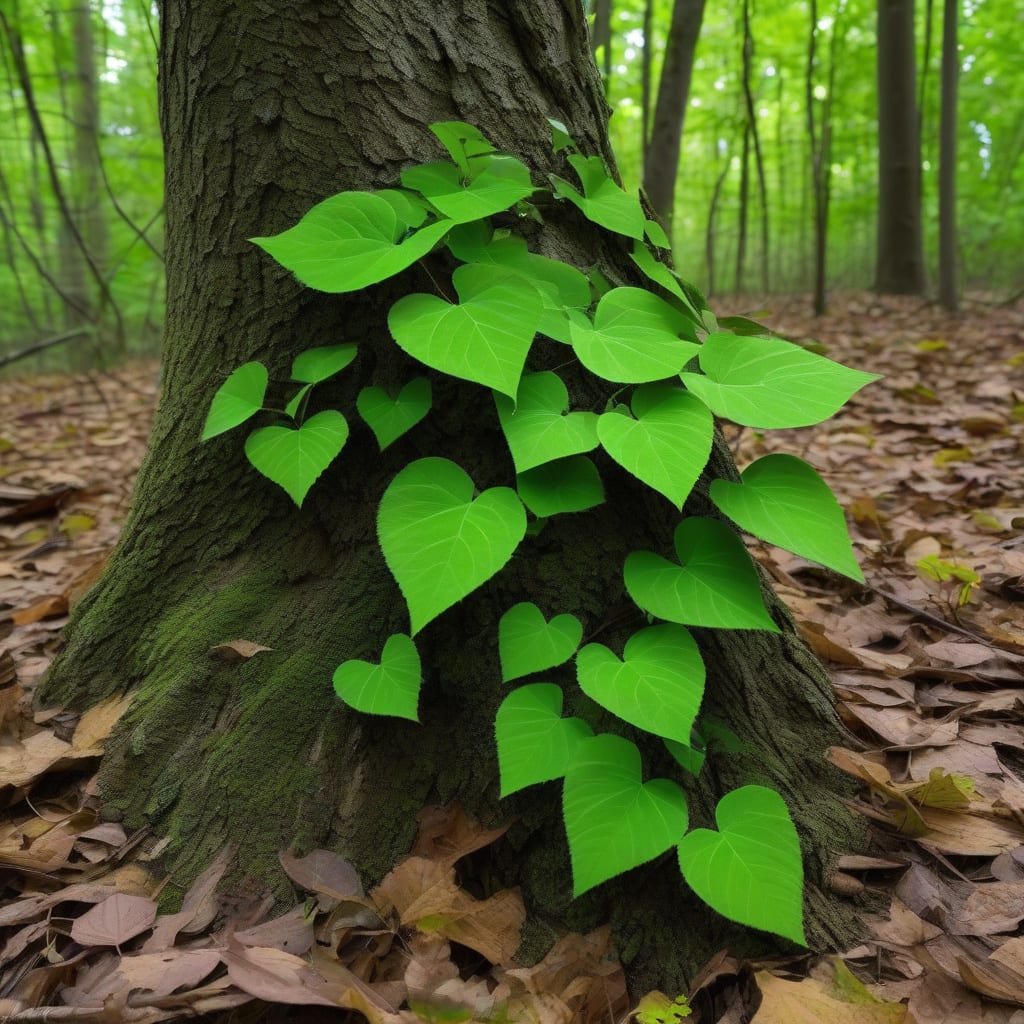
When dealing with Poison Ivy ⚠️, understanding its growth patterns is crucial for effective management. This pesky vine can grow quite tall, reaching heights of 8 feet or more in ideal conditions.
Knowing how to identify and manage Poison Ivy is essential for gardeners and outdoor enthusiasts alike, especially in USDA zones 4-8 where it thrives. Let’s explore how to keep this unwanted guest under control.
When dealing with Poison Ivy, understanding its growth patterns is crucial for effective management. This pesky vine can grow quite tall, reaching heights of 8 feet or more in ideal conditions.
Knowing how to identify and manage Poison Ivy is essential for gardeners and outdoor enthusiasts alike, especially in USDA zones 4-8 where it thrives. The height of Poison Ivy can vary significantly based on several factors, including soil quality, sunlight, and available support structures. 🌿
The maximum height that Poison Ivy can achieve is largely dependent on the availability of structures for it to climb on, such as trees, fences, or walls. In the absence of such supports, it tends to grow along the ground or other low-lying surfaces.
In ideal conditions, with ample moisture, fertile soil, and partial shade, Poison Ivy can grow quite vigorously. Its ability to adapt to various environments makes it a formidable invasive species in many regions.
Understanding these growth patterns is the first step in managing Poison Ivy effectively. By recognizing the factors that influence its height, gardeners can better plan their control strategies to prevent its overgrowth.
Poison Ivy is known for its compound leaves with three leaflets, which can be a key identifier. However, its growth habit can vary from a low-growing ground cover to a climbing vine that can reach significant heights.
The height of Poison Ivy is not just a matter of aesthetics; it also impacts its ability to spread and cause skin irritation. Managing its height is crucial for reducing its impact on outdoor spaces.
For those dealing with Poison Ivy, understanding its potential height and growth patterns can inform effective removal and prevention strategies. Regular monitoring and maintenance are key to keeping this plant under control.
By being aware of the factors that influence Poison Ivy’s growth, individuals can take proactive steps to manage its height and prevent it from becoming a more significant problem.
Effective management of Poison Ivy involves a combination of physical removal, chemical treatments, and preventive measures. Understanding its growth patterns is the foundation of these strategies.
In conclusion, Poison Ivy can grow quite tall, reaching heights of up to 8 feet or more. By understanding the factors that influence its growth and taking proactive management steps, individuals can effectively control its height and mitigate its impact on outdoor spaces. 🌼
When it comes to managing Poison Ivy, understanding how to control its height is crucial for effective management. This invasive vine can quickly grow out of control, reaching heights of 8 feet or more if left unchecked.
Effective control of Poison Ivy height involves a combination of physical removal, chemical treatments, and preventive measures. Let’s explore these strategies in detail to help you manage this pesky plant.
Carefully remove Poison Ivy by pulling or digging it up, making sure to wear protective clothing to avoid exposure to urushiol oil.
Apply herbicides specifically designed for Poison Ivy control, following the product’s instructions carefully to avoid harming other plants.
Regularly monitor your garden and outdoor spaces for Poison Ivy growth, and take action early to prevent it from spreading.
By implementing these control methods, you can effectively manage the height of Poison Ivy and reduce its impact on your outdoor spaces.
It’s essential to be proactive when dealing with Poison Ivy, as it can quickly grow and spread if left unchecked. Regular maintenance and monitoring are key to keeping this invasive species under control.
In addition to physical removal and chemical treatments, consider incorporating preventive measures into your garden maintenance routine. This can include using barriers to prevent Poison Ivy from spreading and companion planting to discourage its growth.
For gardeners dealing with Poison Ivy, understanding the most effective control methods is crucial for maintaining a safe and healthy outdoor environment. By combining physical removal, chemical treatments, and preventive measures, you can effectively manage Poison Ivy height and prevent its overgrowth.
Effective management of Poison Ivy requires a comprehensive approach that includes controlling its height and preventing its spread. By following these strategies, you can enjoy a safer and more beautiful outdoor space.
By taking a proactive and multi-faceted approach to managing Poison Ivy, you can protect your garden and outdoor areas from the negative impacts of this invasive species.
Preventing Poison Ivy overgrowth requires a combination of effective landscape design and regular maintenance. By understanding the growth patterns of this invasive species, you can take proactive steps to keep it under control.
One key strategy is to create barriers that prevent Poison Ivy from spreading. This can include physical barriers, such as landscaping fabric or plastic sheeting, or more natural methods like companion planting with species that discourage its growth.
Be aware that Poison Ivy can cause severe skin irritation. Handle with care and wear protective clothing when removing or managing this plant.
Regular monitoring of your garden and outdoor spaces is also crucial for preventing Poison Ivy overgrowth. By catching new growth early, you can take action before it becomes a more significant problem.
In addition to these strategies, consider incorporating companion planting into your landscape design. Certain plants, such as garlic or chives, are known to repel Poison Ivy and can be used to help keep it under control.
By combining these long-term strategies, you can effectively prevent Poison Ivy overgrowth and maintain a safer, more beautiful outdoor space. 🌿

