
Beautiful Plants For Your Interior
Beautiful Plants For Your Interior
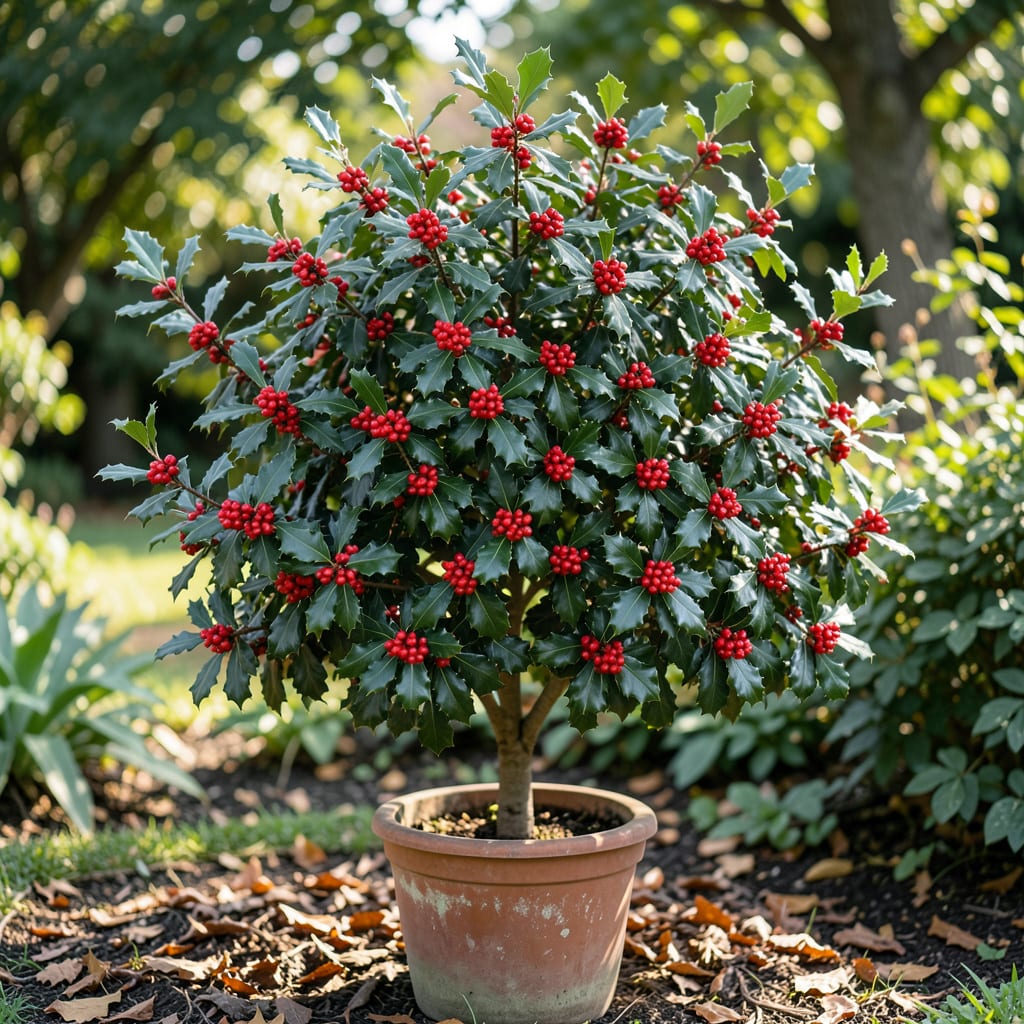
When planting a Holly Tree 🌳 in your garden, understanding its growth potential is crucial for proper planning. These beautiful trees can add year-round interest, but their mature size varies significantly based on several factors.
In USDA Zone 6, you can expect different growth patterns depending on the specific variety and growing conditions. Let’s explore what influences their height and what you can expect from these stunning trees.


Understanding the factors that influence holly tree height is crucial for garden planning. The mature height of a holly tree can vary significantly based on several key factors 🌳.
Different holly species have distinct growth patterns and maximum heights. For example, the American Holly can grow much taller than dwarf varieties. Soil conditions also play a critical role in determining the tree’s growth potential 🌱.
For instance, American Holly typically grows between 15 to 30 feet tall, while Dwarf English Holly remains under 8 feet at maturity. Understanding these factors helps gardeners make informed decisions about planting and care 🌱.
The growth rate of holly trees also varies. Some species grow more quickly in ideal conditions, while others maintain a slower, more compact growth pattern. Factors like soil quality, sunlight, and watering practices all contribute to the overall height of the tree 🌳.
In USDA Zone 6, gardeners should consider the local climate conditions and choose holly varieties that are well-suited to the region. Proper care, including regular pruning and fertilization, can also influence the tree’s height and overall health 🌿.
By understanding these factors, gardeners can better predict and manage the growth of their holly trees. This knowledge is essential for creating a balanced and thriving garden ecosystem 🌻.
Different holly species have unique characteristics that affect their growth. For example, some varieties are naturally more compact, while others can grow quite tall. Recognizing these differences is key to successful garden planning 🌳.
Regular maintenance, such as pruning and monitoring soil conditions, can help ensure that holly trees reach their full potential without becoming too large for their surroundings 🌿.
Overall, the height of a holly tree is influenced by a combination of genetic and environmental factors. By understanding and managing these factors, gardeners can enjoy healthy, well-proportioned trees that enhance their garden’s beauty 🌻.
Effective garden planning involves considering the mature size of holly trees and selecting varieties that fit the available space. This approach helps prevent overcrowding and ensures that each tree has room to grow 🌳.
In conclusion, understanding the factors that affect holly tree height is essential for successful gardening. By choosing the right variety and providing appropriate care, gardeners can enjoy the beauty of these versatile trees for years to come 🌿.
Understanding the mature height of different holly tree varieties is essential for effective garden planning. Various holly species exhibit distinct growth patterns and maximum heights 🌳.
The height expectations for holly trees can range significantly based on the specific variety. For example, American Holly can grow between 15 to 30 feet tall, while Dwarf English Holly typically remains under 8 feet at maturity 🌱.
When selecting a holly tree variety, it’s essential to consider the space available in your garden. Larger varieties like American Holly require more space to grow, while dwarf varieties are suitable for smaller gardens or hedges 🌳.
The growth rate of holly trees also varies among different species. Some holly trees grow more quickly in ideal conditions, while others maintain a slower, more compact growth pattern. Understanding these growth patterns helps gardeners make informed decisions about planting and care 🌱.
In USDA Zone 6, gardeners should choose holly varieties that are well-suited to the local climate conditions. Proper care, including regular pruning and fertilization, can also influence the tree’s height and overall health 🌿.
By understanding the height expectations for different holly tree varieties, gardeners can better plan their garden layouts. This knowledge is crucial for creating a balanced and thriving garden ecosystem 🌻.
Different holly species have unique characteristics that affect their growth. For example, some varieties are naturally more compact, while others can grow quite tall. Recognizing these differences is key to successful garden planning 🌳.
Regular maintenance, such as pruning and monitoring soil conditions, can help ensure that holly trees reach their full potential without becoming too large for their surroundings 🌿.
Effective management of holly tree height is crucial for maintaining a balanced garden ecosystem. Proper pruning techniques and regular care can significantly influence the tree’s size and overall health 🌳.
Pruning is essential for controlling the height of holly trees. It is best to prune during the dormant season, typically in late winter or early spring, to minimize stress on the tree 🌿.
Remove no more than one-third of the tree’s foliage at a time to prevent stress. Use sharp, clean pruning tools to make precise cuts and promote healthy regrowth.
Regular maintenance is also vital for managing holly tree height. This includes monitoring soil conditions and adjusting watering practices as needed to support healthy growth 🌱.
In USDA Zone 6, gardeners should be mindful of the local climate conditions and adjust their care routines accordingly. Proper fertilization can also support the overall health and growth of holly trees 🌻.
By combining effective pruning techniques with regular care, gardeners can successfully manage the height of their holly trees. This approach ensures that the trees remain healthy and well-proportioned within their surroundings 🌳.
Different holly species may require slightly different pruning approaches. Understanding the specific needs of your holly tree variety is key to successful height management 🌿.
Consistent care and attention to detail are essential for maintaining the desired height and overall health of holly trees. By following these guidelines, gardeners can enjoy the beauty of their holly trees for years to come 🌻.
Holly trees can grow to varying heights depending on the species. American Holly typically reaches 15-30 feet, while Dwarf English Holly remains under 8 feet at maturity. The height depends on factors like soil quality and sunlight exposure .
The growth rate of holly trees varies among species. Some grow more quickly in ideal conditions, while others maintain a slower, more compact growth pattern. Proper care, including regular pruning and fertilization, can influence their growth rate .
Yes, you can manage the height of your holly tree through proper pruning techniques and regular care. Prune during the dormant season to minimize stress, and remove no more than one-third of the foliage at a time to prevent stressing the tree .
Several factors influence the height of a holly tree, including the holly species, soil quality, sunlight exposure, and watering practices. Understanding these factors helps gardeners make informed decisions about planting and care .
