
Beautiful Plants For Your Interior
Beautiful Plants For Your Interior
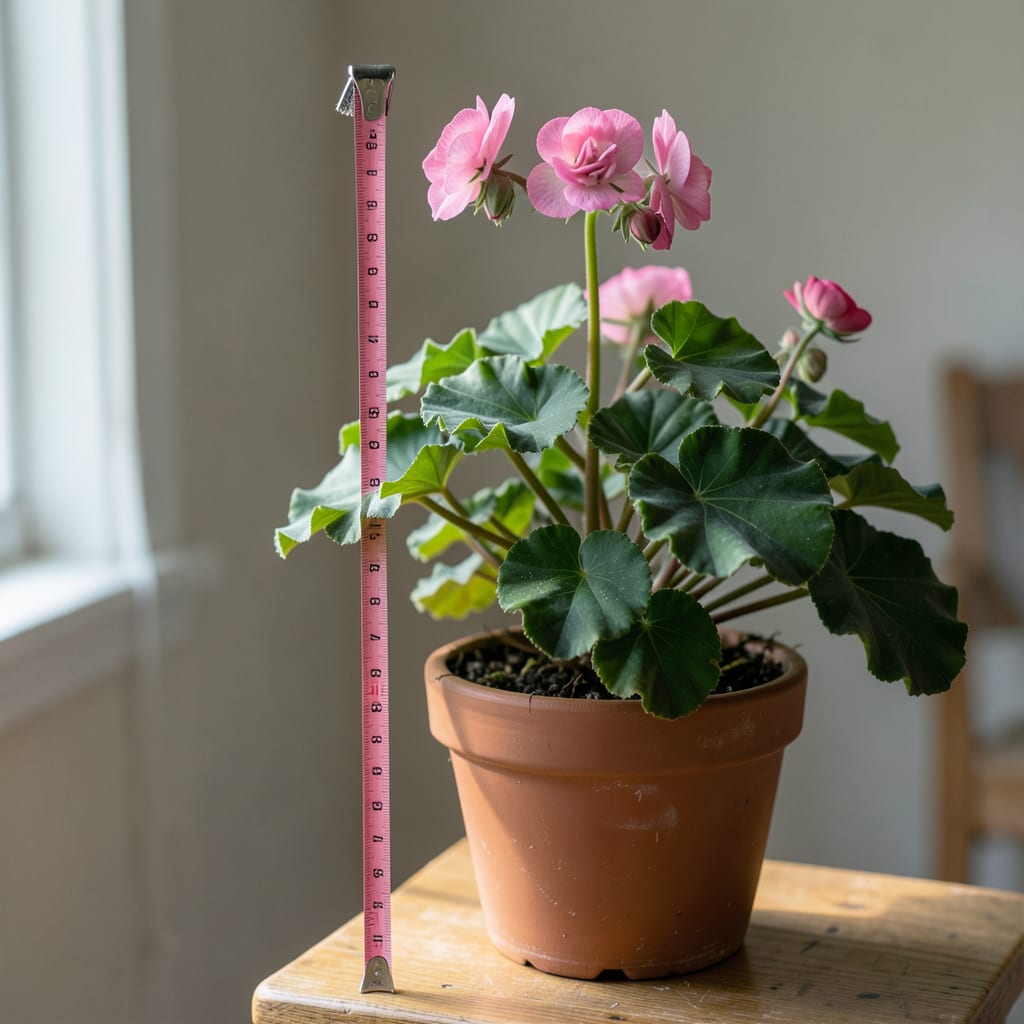
As I gaze at my Begonia 🌺, I’m always amazed by its growth potential. The height it can reach depends on various factors, including light exposure and care practices.
In my experience, understanding these factors is crucial to providing the right conditions for optimal growth. Let’s explore how tall Begonias can grow and what you can do to support their development in your garden or indoor space.


Begonias are known for their diverse growth habits and varying heights. As a gardener, understanding these characteristics is essential for proper care and placement.
Different begonia types exhibit unique growth patterns, ranging from compact and bushy to trailing and upright varieties. The height of begonias can vary significantly depending on the specific type and growing conditions.
The height range of begonias is influenced by factors such as light exposure, watering practices, and fertilization. Understanding these factors is crucial for optimizing growth.
Compact begonias typically grow between 6-12 inches tall, making them ideal for small spaces or containers. They require minimal pruning and maintenance.
Upright begonias can reach heights of 1-3 feet, providing a striking vertical element in gardens or indoor arrangements. They may require support stakes to maintain their shape.
Trailing begonias spread outwards, often used in hanging baskets or as ground cover. Their trailing habit makes them perfect for adding texture to arrangements.
The growth height of begonias is a key factor in determining their placement in gardens or indoor spaces. By understanding the specific growth habits of different begonia types, gardeners can make informed decisions about care and placement.
Factors such as light exposure, watering practices, and fertilization play a significant role in determining the height of begonias. Proper care can help optimize growth and prevent common issues.
Understanding the growth patterns of begonias is essential for providing the right conditions for optimal development. By recognizing the unique characteristics of different begonia types, gardeners can tailor their care practices to meet the specific needs of their plants.
In my experience, begonias are relatively adaptable plants that can thrive in a variety of conditions. However, their growth height can be influenced by factors such as soil quality and pruning practices.
By providing the right conditions and care, gardeners can enjoy the beauty and versatility of begonias in their gardens or indoor spaces. Whether compact, upright, or trailing, begonias add a touch of elegance and charm to any setting 🌺.
The height of begonias is influenced by several key factors, including light exposure, watering practices, and nutrient availability. Understanding these factors is crucial for optimizing begonia growth and achieving the desired height 🌿.
Light is one of the most critical factors affecting begonia height. Begonias generally prefer bright, indirect light, which promotes healthy growth without causing leaf scorch. The intensity and duration of light exposure can significantly impact begonia height.
Light exposure, watering practices, and nutrient availability are crucial for optimal begonia growth.
Watering practices also play a significant role in determining begonia height. Begonias prefer consistently moist soil, but overwatering can lead to root rot and stunted growth. Proper watering techniques are essential for maintaining optimal soil moisture.
Nutrient availability is another critical factor influencing begonia height. Begonias benefit from balanced fertilization, which provides essential nutrients for healthy growth and development. The type and frequency of fertilization can impact begonia height and overall plant health.
In my experience, begonias respond well to a balanced fertilizer with a 10-10-10 NPK ratio. This type of fertilizer provides the necessary nutrients for healthy leaf growth and flower production.
By understanding the factors that affect begonia height, gardeners can take steps to optimize growth and achieve the desired height. Whether growing compact, upright, or trailing begonias, proper care and attention to these factors can help ensure healthy and vigorous plants 🌺.
Regular monitoring of begonias is essential for identifying potential issues that may impact height. By adjusting care practices as needed, gardeners can help their begonias reach their full growth potential.
In conclusion, the height of begonias is influenced by a combination of factors, including light, water, and nutrients. By understanding and managing these factors, gardeners can promote healthy growth and achieve the desired height in their begonia plants.
Managing begonia height is crucial for maintaining their aesthetic appeal and promoting healthy growth. As a gardener, understanding pruning and support techniques can help you control the height of your begonias effectively 🌱.
Pruning is an essential technique for managing begonia height. By removing leggy stems and shaping the plant, you can encourage bushy growth and prevent the plant from becoming too tall. Regular pruning also helps to promote air circulation and reduce the risk of disease.
Cut back tall stems to encourage branching and bushy growth.
Trim back overgrown branches to maintain the desired shape.
Regularly inspect your begonias and adjust pruning as needed.
In addition to pruning, providing support can help manage begonia height. Using stakes or trellises can help keep tall varieties upright and promote vertical growth.
Support stakes are particularly useful for upright begonias that can grow quite tall. By gently tying the stems to the stake, you can prevent them from toppling over and maintain their shape.
Trellises offer another effective way to support begonias, especially trailing varieties. Training the stems to grow up the trellis can help maximize space and add visual interest to your garden or indoor arrangement.
By combining pruning techniques with support systems, you can effectively manage the height of your begonias and promote healthy, vigorous growth 🌿.
Regular maintenance is key to keeping your begonias at the desired height. By staying on top of pruning and providing necessary support, you can enjoy the beauty of your begonias without worrying about them becoming too leggy or unruly.
In my experience, begonias are relatively easy to manage with the right techniques. With a little practice and patience, you can master the art of managing begonia height and enjoy these beautiful plants to their fullest potential.
Begonias come in various types with different height ranges. Compact begonias typically grow between 6-12 inches tall, while upright varieties can reach 1-3 feet. Trailing begonias spread outwards and can cover areas up to 2 feet wide. The specific height depends on factors like light, watering, and nutrients.
Light is a critical factor in determining begonia height. Begonias generally prefer bright, indirect light, which promotes healthy growth. Direct sunlight can cause leaf scorch, while insufficient light may lead to leggy stems. Adjusting light exposure can help control the height of your begonias.
Yes, pruning is an effective way to manage begonia height. By removing leggy stems and shaping the plant, you can encourage bushy growth and prevent the plant from becoming too tall. Regular pruning also promotes air circulation and reduces disease risk, contributing to overall plant health.
Some begonia varieties, especially upright ones, may need support as they grow taller. Using stakes or trellises can help keep them upright and promote vertical growth. This is particularly useful for varieties that can grow quite tall, preventing them from toppling over.
