
Beautiful Plants For Your Interior
Beautiful Plants For Your Interior
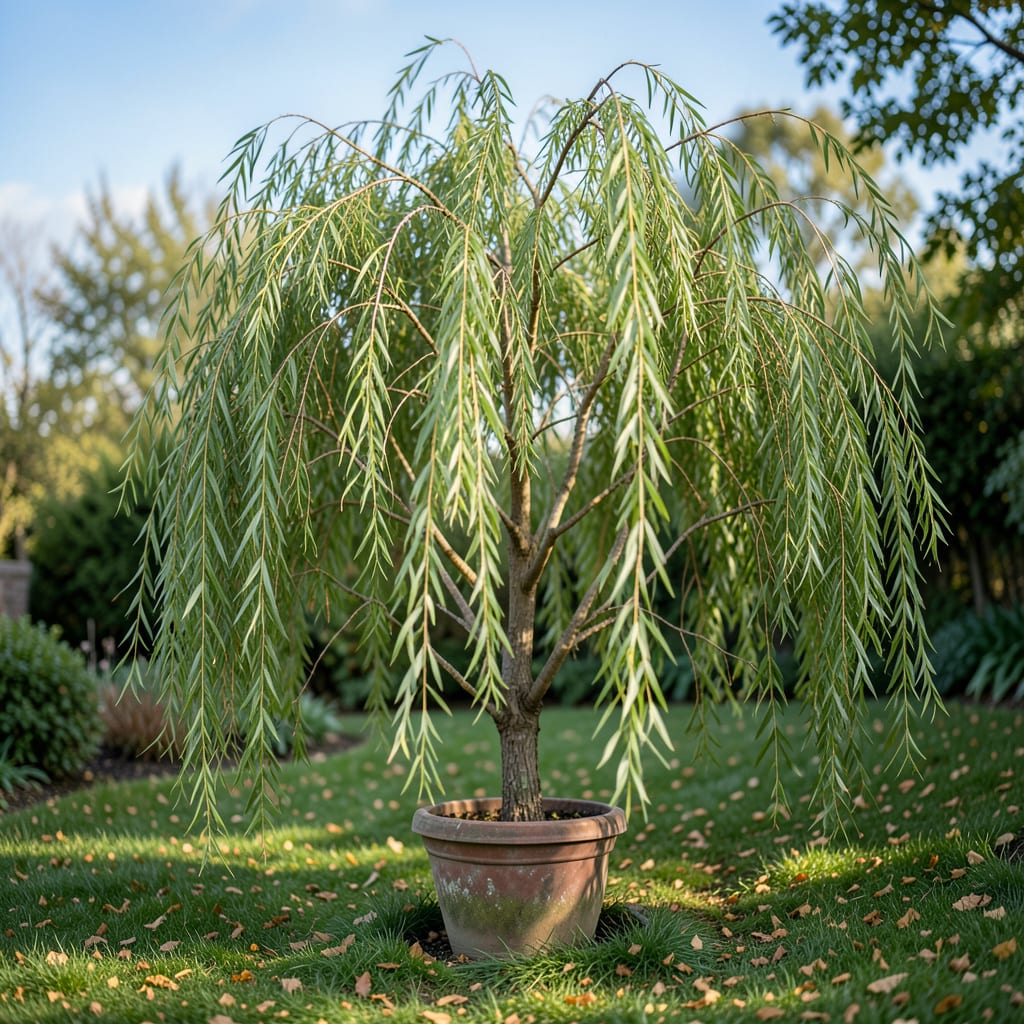
I’ve always been fascinated by the majestic Weeping Willow 🌳, with its graceful branches that seem to touch the ground. But have you ever wondered just how tall these beautiful trees can grow? Understanding their growth potential is key to creating a stunning landscape.
Weeping Willows can reach heights of 30 to 50 feet, making them a striking addition to any garden. Let’s explore what affects their growth and how to manage their size effectively.

I’ve found that understanding the factors that influence Weeping Willow tree height is crucial for effective landscaping. Several key elements play a significant role in determining how tall these trees can grow 🌳.
The soil quality is one of the primary factors affecting Weeping Willow height. These trees thrive in moist, well-drained soil rich in nutrients. The pH level of the soil also impacts their growth, with a slightly acidic to neutral range being ideal.
Climate is another critical factor. Weeping Willows prefer temperate climates with cold winters and warm summers. They thrive in full sun and can tolerate some shade, but optimal growth occurs in open, sunny areas.
Watering is essential, especially during the tree’s early years. Consistent moisture helps establish a strong root system, which is vital for achieving maximum height.
Pruning practices also significantly impact Weeping Willow height. Regular pruning can help control the tree’s size and shape, promoting a denser canopy and healthier growth.
By understanding and managing these factors, you can help your Weeping Willow tree reach its full potential height 🌳.
The combination of proper soil conditions, favorable climate, adequate watering, and strategic pruning will ensure your Weeping Willow thrives and achieves its maximum height.
Weeping Willows are known for their rapid growth rate, especially in ideal conditions. They can grow 3-4 feet per year in their early years, making them a quickly developing addition to any landscape.
The genetic makeup of the tree also plays a role in its height. Some Weeping Willow varieties are naturally more vigorous and can grow taller than others.
Regular maintenance, including pruning and monitoring for pests and diseases, is essential for maintaining the health and maximizing the height of Weeping Willows.
In summary, the height of Weeping Willow trees is influenced by a combination of environmental factors and genetic predisposition. By providing optimal conditions and proper care, you can help these trees reach their full height potential 🌳.
I’ve observed that Weeping Willow trees are known for their impressive height, which can range from 30 to 50 feet at maturity. This height range makes them a striking feature in any landscape 🌳.
The average height of a mature Weeping Willow is typically around 40 feet, but some exceptional specimens can grow even taller. Factors such as soil quality, climate, and watering practices play a significant role in determining the maximum height these trees can achieve.
Weeping Willows typically grow between 30 to 50 feet tall, with an average mature height of around 40 feet.
These trees are known for their rapid growth rate, especially in their early years, growing 3-4 feet per year.
Some Weeping Willow trees have been known to reach heights of over 50 feet in ideal conditions.
When comparing Weeping Willows to other tree species, their height is quite impressive. They are generally taller than many common landscape trees, making them a popular choice for creating a dramatic effect in gardens and parks 🌲.
It’s worth noting that while Weeping Willows can grow quite tall, their height can be managed through regular pruning practices. This allows landscapers to control the tree’s size while maintaining its health and aesthetic appeal.
In my experience, understanding the growth patterns and maximum height potential of Weeping Willow trees is essential for effective landscape design. By considering factors such as soil quality, climate, and watering practices, you can help these trees reach their full height potential 🌳.
Weeping Willows are not only known for their height but also for their graceful, weeping branches that can create a beautiful, natural canopy. This unique characteristic makes them a favorite among gardeners and landscapers alike 🌿.
Overall, Weeping Willow trees can add a touch of elegance and drama to any landscape, thanks to their impressive height and beautiful foliage 🌳.
I’ve found that managing Weeping Willow height through pruning is essential for maintaining their shape and promoting healthy growth 🌳.
Pruning helps control the tree’s size while encouraging denser foliage. Regular pruning can also prevent the tree from becoming too top-heavy, reducing the risk of branch breakage.
Start by removing any dead, diseased, or damaged branches to maintain the tree’s health and appearance.
Thin out the canopy to allow more sunlight to penetrate and promote air circulation, which helps prevent disease.
Shape the tree by cutting back branches to maintain its desired shape and size.
Pruning should be done during the tree’s dormant season to minimize stress and promote healthy regrowth 🌲.
By following these pruning steps, you can effectively manage your Weeping Willow’s height while maintaining its health and beauty 🌳.
Regular pruning not only controls the height but also enhances the tree’s natural beauty by promoting a fuller, more balanced canopy.
It’s essential to use the right pruning tools to avoid damaging the tree. Sharp, clean tools make precise cuts that heal quickly, reducing the risk of disease.
Proper pruning techniques can significantly impact the overall health and appearance of your Weeping Willow, making it a stunning focal point in your landscape 🌿.
Weeping Willows typically grow between 30 to 50 feet tall, with an average mature height of around 40 feet. Some exceptional specimens can grow even taller in ideal conditions. Proper care and maintenance can help them reach their full height potential .
Weeping Willows are known for their rapid growth rate, especially in their early years. They can grow 3-4 feet per year, making them a quickly developing addition to any landscape. Regular watering and proper soil conditions support their fast growth .
Yes, you can manage your Weeping Willow’s height through regular pruning practices. Pruning helps control the tree’s size while promoting denser foliage and healthier growth. It’s best to prune during the tree’s dormant season to minimize stress and promote healthy regrowth .
Several factors influence Weeping Willow height, including soil quality, climate, watering practices, and pruning techniques. Providing optimal conditions and proper care can help these trees reach their full height potential. Regular maintenance is essential for maximizing their height .
