
Beautiful Plants For Your Interior
Beautiful Plants For Your Interior
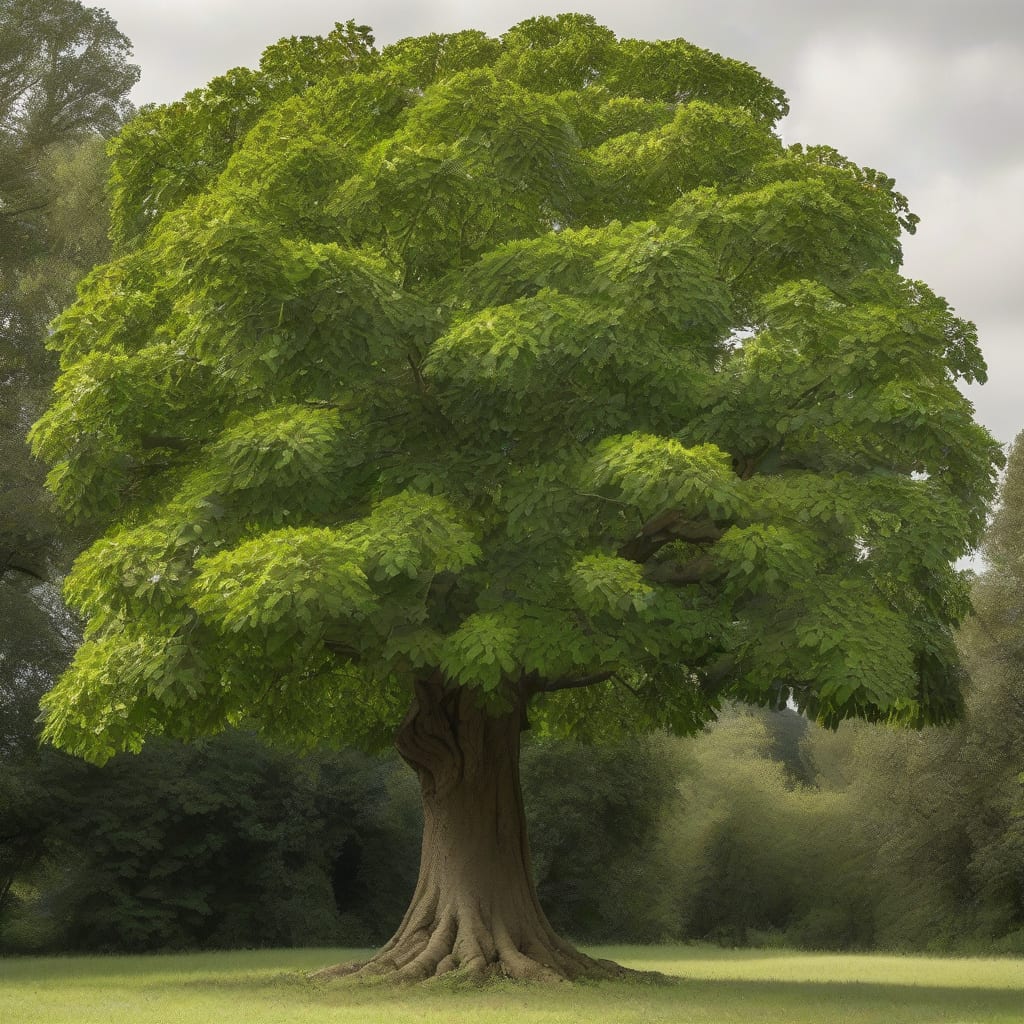
I’ve always been fascinated by the majestic Walnut Tree 🌳, with its broad canopy and impressive height. Growing in USDA Zone 6, these trees can reach remarkable heights, but what factors influence their growth?
Understanding how tall Walnut Trees can grow is crucial for planning and maintenance. Let’s explore the average and maximum heights of these trees and what you can do to promote healthy growth in your landscape.

5 ft

10 ft

15 ft

50-100 ft
Understanding the factors that influence the height of Walnut Trees is crucial for gardeners and landscapers. The maximum height a Walnut Tree can reach depends on various conditions, including climate, soil quality, and tree variety. 🌳
Let’s explore these factors in more detail to determine how they impact the growth of Walnut Trees. By understanding these elements, you can better plan and care for your trees to achieve optimal height and health.
The climate plays a significant role in determining the height of Walnut Trees. These trees prefer temperate regions with adequate rainfall and moderate temperatures. Areas with extreme weather conditions, such as prolonged drought or intense cold, can limit the tree’s growth potential. 🌱
Soil quality is another critical factor. Walnut Trees thrive in rich, well-drained soil that provides essential nutrients. Poor soil conditions can hinder the tree’s ability to reach, affecting its overall height. 💧
The tree variety also influences the maximum height. Some Walnut Tree varieties are bred for specific characteristics, including height. Understanding the specific needs and growth patterns of your tree variety can help you provide the best care. 🌳
By considering these factors, you can create an optimal environment for your Walnut Trees to grow tall and healthy. Proper care and attention to these elements will ensure your trees reach their full potential. 🌟
Additional considerations include watering practices and fertilization. Consistent moisture and appropriate fertilization can support healthy growth, while neglecting these aspects can lead to stunted trees. 💦
Understanding the interplay of these factors will help you make informed decisions about planting and caring for your Walnut Trees. With the right conditions and care, these trees can become a stunning feature in your landscape. 🌳
For more detailed information on caring for Walnut Trees, including tips on pruning and maintenance, continue reading the next section. 📚
I’ve found that understanding the different types of Walnut Trees and their growth patterns is essential for any gardener or landscaper. The height of these trees can vary significantly based on their variety. Let’s explore the average and maximum heights of some common Walnut Tree types.
Different Walnut Tree varieties have distinct growth characteristics that affect their height. By comparing these varieties, you can make informed decisions about which trees to plant in your landscape.
The Black Walnut is known for its impressive height, often reaching up to 100 feet in ideal conditions. On average, it grows between 50-70 feet, making it a significant presence in any landscape 🌳.
English Walnut trees typically grow between 40-60 feet tall, with a maximum height of around 80 feet. They are popular for their nuts and relatively smaller size compared to Black Walnuts 🌰.
Carpathian Walnut trees are another variety, generally growing between 30-50 feet tall. They are known for their cold hardiness and can reach a maximum height of about 60 feet 🌟.
When selecting a Walnut Tree variety, consider the space available in your landscape and the specific growing conditions. Understanding these factors will help you choose a tree that will thrive and reach its full potential 🌳.
By knowing the average and maximum heights of different Walnut Tree types, you can better plan your landscape and ensure that your trees have enough space to grow. Proper planning will help you enjoy the beauty and benefits of these magnificent trees for years to come 🌲.
To keep your Walnut Trees healthy and thriving, proper pruning and care are essential. Pruning helps control the tree’s height and promotes a strong structure. Let’s explore some practical tips for managing Walnut Tree height through effective pruning techniques.
Prune your Walnut Trees during the dormant season to minimize stress and promote healthy growth. Remove any dead or diseased branches to maintain the tree’s overall health 🌳.
Pruning is a critical aspect of Walnut Tree care. By removing dead or diseased branches, you can prevent the spread of disease and encourage healthy growth. Regular pruning also helps maintain the tree’s shape and controls its height 🌲.
When pruning your Walnut Tree, use sharp, clean tools to make precise cuts. This helps the tree heal quickly and reduces the risk of infection. Focus on removing branches that are crossing or rubbing against each other, as these can cause damage over time 🌿.
In addition to pruning, proper care practices such as regular watering and fertilization support healthy growth. Ensure your Walnut Trees receive adequate moisture, especially during dry periods, and fertilize them annually with a balanced fertilizer 💧.
By following these pruning and care tips, you can effectively manage the height of your Walnut Trees and promote their overall health. With the right care, your trees will continue to thrive and provide beauty and shade for years to come 🌟.
