
Beautiful Plants For Your Interior
Beautiful Plants For Your Interior
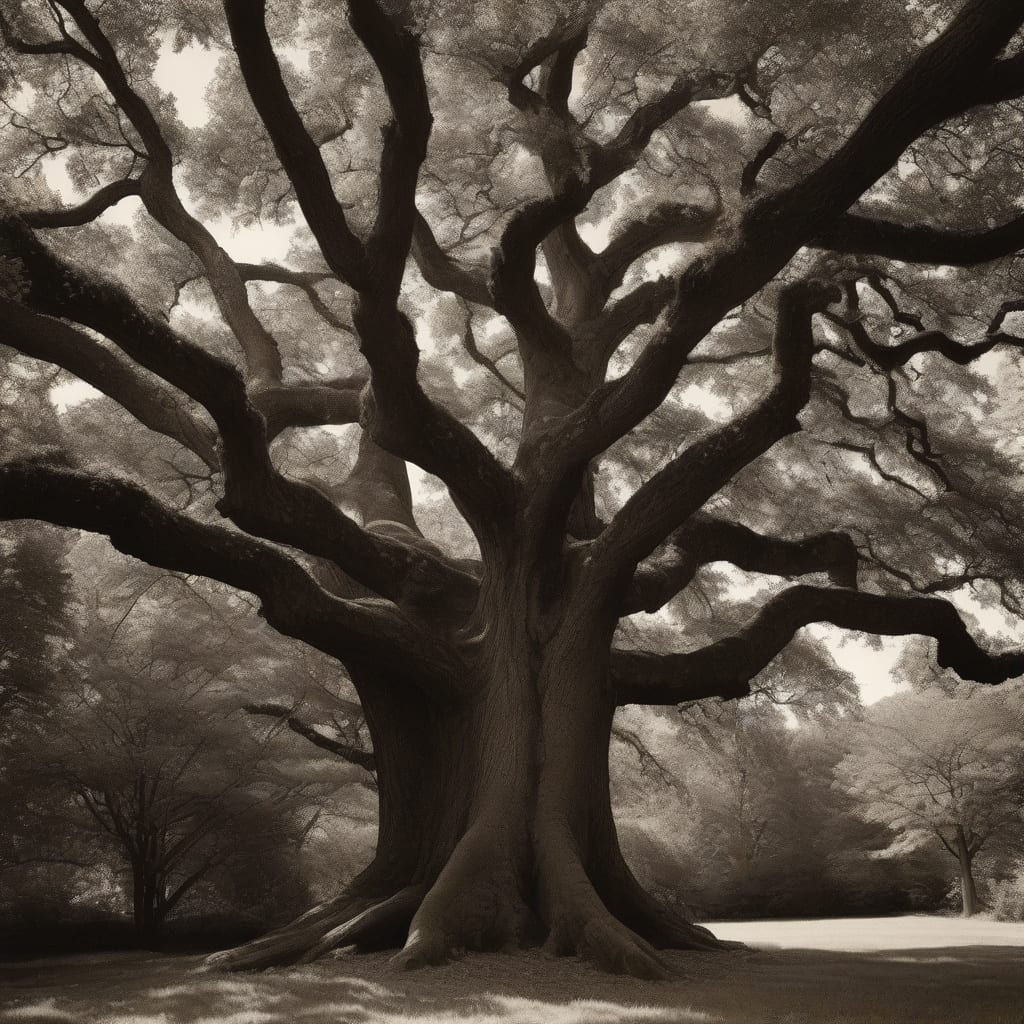
I’ve always been fascinated by the majestic Black Walnut Tree 🌳, known for its impressive size and valuable timber. Understanding how tall these trees can grow is essential for proper landscaping and cultivation.
The height potential of a Black Walnut Tree is quite remarkable, typically ranging from 50 to 100 feet, making them a significant presence in any landscape. Let’s explore the factors that influence their growth and maximum height.

Black Walnut trees are known for their impressive size and valuable timber. Understanding their growth potential is crucial for proper landscaping and cultivation. The height potential of these trees is quite remarkable, typically ranging from 50 to 100 feet, making them a significant presence in any landscape.
The maximum height a Black Walnut tree can achieve depends on various factors, including genetics, soil quality, and climate conditions. Let’s explore these factors in more detail to understand how they influence the height of these magnificent trees 🌳.
Understanding these factors is essential for gardeners and landscapers to predict and manage the growth of Black Walnut trees effectively. By considering genetic potential, soil conditions, and climate, one can better anticipate the maximum height a tree is likely to achieve 🌳.
The genetic makeup of a Black Walnut tree plays a significant role in determining its height potential. Some trees are naturally predisposed to grow taller than others due to their genetic characteristics. This inherent potential sets the baseline for how tall a tree can become under ideal conditions.
Soil quality is another critical factor that influences the height of Black Walnut trees. Nutrient-rich soil with good drainage provides the necessary resources for healthy growth, allowing trees to reach their maximum potential height. Poor soil conditions, on the other hand, can limit a tree’s growth.
Climate conditions, including temperature and moisture levels, also impact the height of Black Walnut trees. Optimal climate conditions promote healthy growth and allow trees to achieve their maximum height. Extreme weather conditions, such as drought or excessive rain, can stress the tree and limit its growth.
The mature height range of Black Walnut trees typically falls between 50 to 100 feet. This range accounts for variations due to genetic, soil, and climate factors. Understanding this range helps in planning and managing landscapes where these trees are planted.
By considering these factors and understanding the growth potential of Black Walnut trees, gardeners and landscapers can make informed decisions about planting and caring for these magnificent trees 🌳.
In conclusion, the height potential of Black Walnut trees is influenced by a combination of genetic, environmental, and climatic factors. By understanding and managing these factors, one can optimize the growth and health of these trees, ensuring they reach their maximum height potential.
For more information on caring for Black Walnut trees and optimizing their growth, continue reading the next section.
Understanding the growth rate of Black Walnut trees is crucial for managing their height effectively. These trees typically grow at a moderate rate, with annual growth ranging from 1 to 2 feet per year under optimal conditions 🌳.
The growth rate and overall height of Black Walnut trees are influenced by several key factors. Let’s explore these factors in more detail to understand their impact on tree height.
Nutrient-rich soil with good drainage is essential for healthy growth. Black Walnut trees prefer well-drained soil with a pH between 6.0 and 7.0.
Black Walnut trees require full sun to achieve their maximum height potential. Adequate sunlight exposure promotes healthy growth and development 🌟.
Consistent moisture levels, especially during the first few years, support vigorous growth. Black Walnut trees prefer moist soil but can tolerate some drought 💧.
By understanding these factors and providing optimal conditions, you can promote healthy growth and maximize the height potential of your Black Walnut trees 🌳.
The annual growth rate of Black Walnut trees is an important consideration for managing their height. On average, these trees grow 1 to 2 feet per year, although this can vary based on the factors mentioned earlier.
Soil quality plays a significant role in determining the growth rate of Black Walnut trees. Trees growing in nutrient-rich soil with good drainage tend to grow more vigorously than those in poor soil conditions.
Sunlight exposure is another critical factor that affects the growth rate and overall height of Black Walnut trees. Full sun exposure is essential for promoting healthy growth and maximizing height potential 🌟.
Water availability also impacts the growth rate of Black Walnut trees. Consistent moisture levels, especially during the early years, support vigorous growth and help trees reach their maximum height potential 💧.
In conclusion, the growth rate and height of Black Walnut trees are influenced by a combination of factors, including soil quality, sunlight exposure, and water availability. By understanding and managing these factors, you can optimize the growth and health of your trees 🌳.
When it comes to managing Black Walnut tree height for landscaping purposes, several factors come into play. Proper maintenance and care can help control the height and ensure the tree remains a beautiful and valuable addition to your landscape 🌳.
Regular pruning during the dormant season helps control height and promotes healthy growth. Remove dead or damaged branches to maintain tree structure.
Pruning techniques are essential for managing the height of Black Walnut trees. Prune during the dormant season to minimize stress and promote healthy growth. Remove any dead or damaged branches to maintain the tree’s structure and appearance.
Spacing considerations are also crucial when planting Black Walnut trees. Ensure they have enough space to grow to their mature height without interfering with other trees or structures. Proper spacing helps prevent overcrowding and reduces competition for resources 🌟.
Maintenance tips include regular inspections for signs of disease or pests. Keep the area around the tree free from weeds and debris to prevent competition for nutrients and water. Proper care ensures the tree remains healthy and continues to grow well 💧.
By implementing these strategies, you can effectively manage the height of your Black Walnut trees and enjoy their beauty and benefits for years to come 🌳.
