
Beautiful Plants For Your Interior
Beautiful Plants For Your Interior
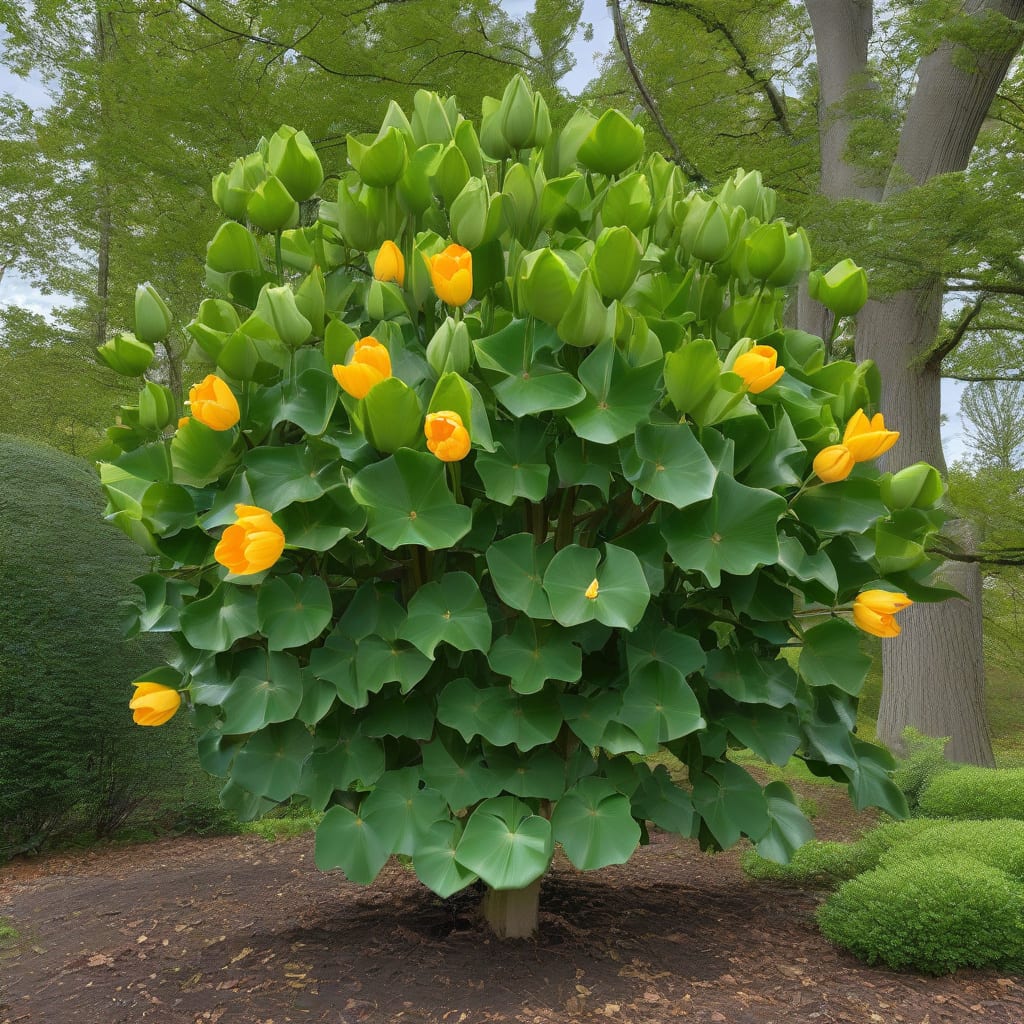
Tulip trees 🌳 are known for their impressive height, making them a stunning addition to any landscape. These magnificent trees can grow to be as tall as 100 feet, rivaling the height of a 6-story building.
Understanding the growth potential of tulip trees is crucial for gardeners and landscapers in USDA Zone 6. Factors such as soil quality, sunlight, and watering practices all play a role in determining the maximum height of these trees.

Tulip trees are known for their impressive height, with some specimens reaching up to 100 feet or more in ideal conditions. The average height of a mature tulip tree typically ranges between 70 to 100 feet, making them one of the tallest native trees in North America 🌳.
The growth rate of tulip trees is relatively fast, especially when they’re young. In optimal conditions, these trees can grow 3 to 5 feet per year during their initial growth phase. However, the growth rate slows down as the tree matures.
Tulip trees are known for their rapid growth, especially during their early years. Factors such as soil quality, sunlight exposure, and proper watering play crucial roles in determining the ultimate height of these magnificent trees 🌲.
The maximum height a tulip tree can achieve is influenced by various environmental factors, and understanding these can help gardeners and landscapers optimize growing conditions for these trees.
Some key factors that influence the height of tulip trees include soil drainage, nutrient availability, and protection from harsh weather conditions. By optimizing these factors, growers can help tulip trees reach their full height potential.
Tulip trees are considered long-lived trees, with some specimens living for hundreds of years. This longevity, combined with their impressive height, makes them a significant presence in any landscape.
In their natural habitat, tulip trees often emerge above the canopy, creating a dramatic visual impact in the landscape. Their tall, straight trunks and broad canopies make them stand out among other forest trees.
Gardeners and landscapers should consider the mature size of tulip trees when planting, as these trees require substantial space to grow and thrive.
Overall, tulip trees are a stunning addition to large landscapes, offering beauty throughout the seasons with their tulip-shaped flowers, large leaves, and vibrant fall colors.
By understanding the growth potential and factors influencing the height of tulip trees, gardeners can make informed decisions about planting and caring for these magnificent trees.
Tulip trees require specific conditions to reach their maximum height potential. Soil quality plays a crucial role, with these trees thriving in well-draining, fertile soil with a mix of sand, silt, and clay 🌳.
Sunlight exposure is another critical factor. Tulip trees prefer full sun to partial shade, requiring at least six hours of direct sunlight per day to grow optimally.
Tulip trees need well-draining soil and full sun to partial shade to reach their maximum height potential.
Watering practices also significantly impact tulip tree growth. Consistent moisture, especially during the first year after planting, is vital. However, these trees are relatively drought-tolerant once established.
Nutrient availability affects tulip tree height as well. While they can grow in various soil types, fertile soil rich in nutrients promotes healthier and taller trees.
The climate and weather conditions in your area also play a role. Tulip trees thrive in USDA Zone 6 and can tolerate a range of temperatures, but extreme weather conditions can impact their growth.
Proper care and maintenance are essential for maximizing tulip tree height. Regular pruning and fertilization can help ensure these trees reach their full potential.
By understanding and optimizing these factors, gardeners and landscapers can help tulip trees achieve their maximum height and become a stunning addition to any landscape 🌲.
Tulip trees are known for their long lifespan, with some specimens living for hundreds of years. This longevity, combined with their impressive height, makes them a significant presence in any landscape.
Overall, tulip trees are a valuable addition to large landscapes, offering beauty throughout the seasons with their tulip-shaped flowers, large leaves, and vibrant fall colors.
Growing tall, healthy tulip trees requires careful planning and maintenance. To maximize their height potential, it’s essential to provide optimal growing conditions 🌳.
First, choose the right location for your tulip tree. Ensure it has enough space to grow to its mature height of 70-100 feet without obstructing power lines or other structures.
Tulip trees thrive in soil with good drainage. Mix in organic matter like compost to improve soil structure and fertility.
Tulip trees prefer full sun to partial shade. Ensure they receive at least six hours of direct sunlight daily.
Keep the soil consistently moist during the first year. Once established, tulip trees are relatively drought-tolerant.
Regular pruning is also crucial for maintaining the health and structure of your tulip tree. Remove any dead or damaged branches to promote healthy growth 🌲.
By following these tips, you can help your tulip tree reach its full height potential and enjoy its beauty for years to come.
Tulip trees are a long-term investment in your landscape, providing shade, beauty, and habitat for wildlife.
With proper care, tulip trees can thrive and become a stunning focal point in any landscape 🌳.
