
Beautiful Plants For Your Interior
Beautiful Plants For Your Interior
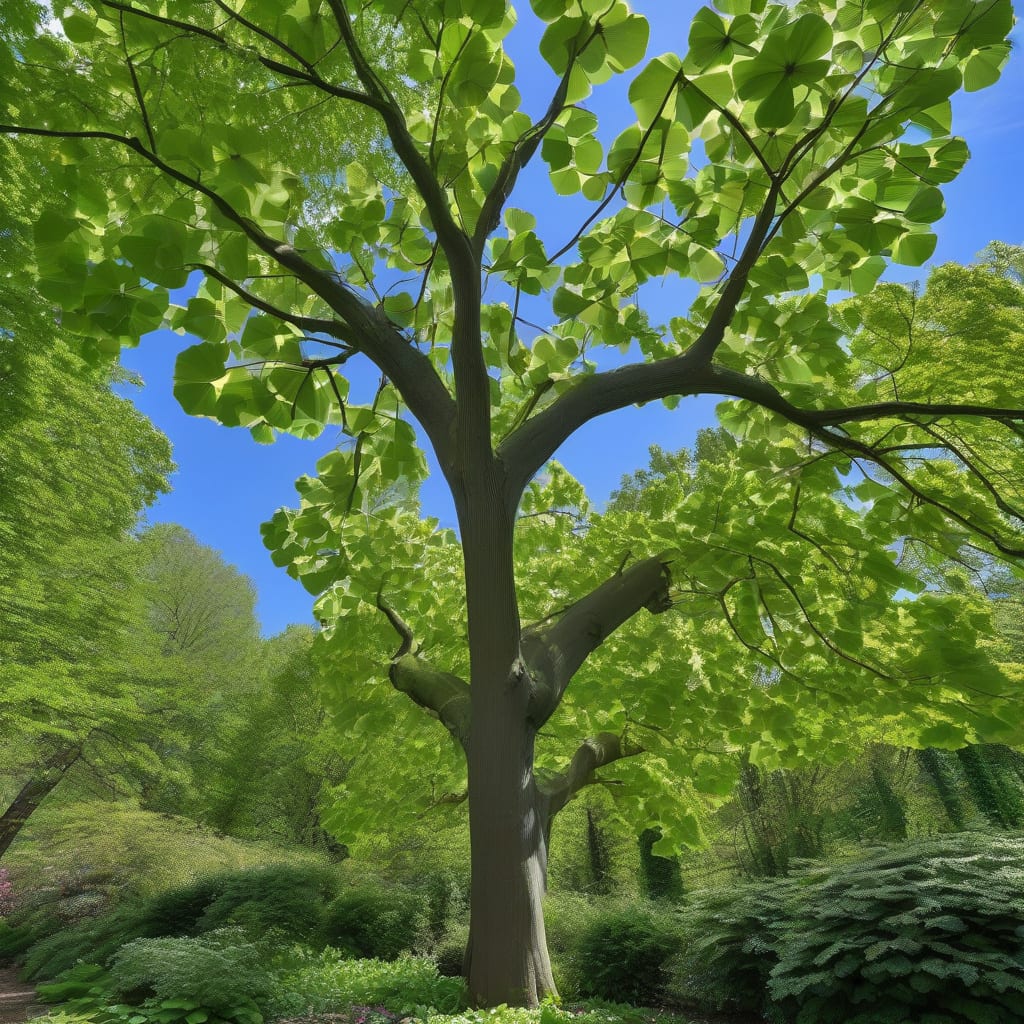
I’ve always been fascinated by the Tulip Poplar Tree 🌳, known for its impressive height in eastern North American forests. These trees can grow remarkably tall, often becoming the tallest in their surroundings.
If you’re wondering how tall they can actually grow, you’re in the right place. Let’s explore the maximum height potential of Tulip Poplar Trees and what factors influence their growth to reach heights of 80-100 feet or more in ideal conditions.

3-5 ft

6-10 ft

10-15 ft

80-100 ft
Tulip poplar trees are known for their impressive height, often becoming the tallest trees in eastern North American forests. They can grow remarkably tall, reaching heights of 80-100 feet or more in ideal conditions.
The maximum height potential of tulip poplar trees is influenced by various factors, including soil quality, climate, sunlight, and spacing. In general, these trees can grow to be taller than a 2-story house, making them a striking feature in any landscape 🌳.
Tulip poplar trees are considered fast-growing trees, especially during their early years. They can grow 3-5 feet per year, making them one of the faster-growing tree species in North America.
The height of tulip poplar trees is influenced by various factors, including soil quality, climate, sunlight, and spacing. Trees growing in ideal conditions with plenty of sunlight and well-draining soil tend to grow taller than those in less favorable conditions.
In ideal conditions, tulip poplar trees can reach heights of 100 feet or more. The tallest recorded tulip poplar tree was nearly 190 feet tall, making it one of the tallest deciduous trees in North America.
The growth rate of tulip poplar trees slows down as they mature, but they can continue to grow for many years. With proper care and maintenance, these trees can live for hundreds of years and reach their full height potential.
To achieve maximum height, tulip poplar trees require full sun to partial shade and well-draining soil. They are adaptable to a range of soil types but prefer moist, fertile soil. Regular watering and maintenance can also help promote healthy growth and maximize height.
Tulip poplar trees are not only impressive in height but also in their broad canopy and distinctive tulip-shaped leaves. Their height makes them a popular choice for landscaping in large areas, where they can be appreciated for their grandeur and beauty 🌲.
Overall, tulip poplar trees are a remarkable species known for their exceptional height and rapid growth rate. With the right conditions and care, they can achieve truly impressive heights, making them a standout in any landscape.
Tulip poplar tree height is influenced by various environmental and genetic factors. Understanding these factors can help you optimize growing conditions for your trees 🌳.
By understanding and managing these factors, you can help your tulip poplar trees reach their full height potential 🌱.
Tulip poplar trees are known for their fast growth rate, especially during their early years. They can grow 3-5 feet per year, making them one of the faster-growing tree species in North America.
The height of tulip poplar trees is influenced by a combination of genetic and environmental factors. Trees growing in ideal conditions with plenty of sunlight and well-draining soil tend to grow taller than those in less favorable conditions.
In ideal conditions, tulip poplar trees can reach heights of 100 feet or more. The tallest recorded tulip poplar tree was nearly 190 feet tall, making it one of the tallest deciduous trees in North America.
To achieve maximum height, tulip poplar trees require full sun to partial shade and well-draining soil. They are adaptable to a range of soil types but prefer moist, fertile soil. Regular watering and maintenance can also help promote healthy growth and maximize height 🌲.
Measuring the height of tulip poplar trees can be done using various methods, including using a clinometer or measuring tape. For taller trees, a clinometer is more practical as it allows you to measure the height from a distance 🌳.
To measure the height using a clinometer, stand at a known distance from the tree, typically 50-100 feet away. Use the clinometer to measure the angle between the ground and the top of the tree. Then, use trigonometry to calculate the height based on the distance and angle measured.
For accurate measurements, ensure the ground is level and clear of obstacles. Use a laser rangefinder for more precise distance measurements.
Maintaining the height of tulip poplar trees involves regular pruning and care. Prune dead or damaged branches to promote healthy growth and maintain the tree’s structure. Avoid over-pruning, as this can stress the tree and affect its growth rate.
Tulip poplar trees require full sun to partial shade and well-draining soil to thrive. Regular watering, especially during dry periods, helps maintain healthy growth. Mulching around the base can also help retain moisture and suppress weeds 🌱.
By following these tips, you can help your tulip poplar trees reach their full height potential while maintaining their health and structural integrity.
